
The Hidden World of Kitchen Germs
That innocent-looking cloth hanging on your oven door is an ideal home for bacteria. Studies have found that kitchen towels are among the most contaminated items in a household. Because they are often damp and come into contact with food particles, they create
the perfect breeding ground for germs like E. coli and Staphylococcus aureus. A study from the University of Mauritius found that nearly half of kitchen towels used for a month had significant bacterial growth, especially when used for multiple purposes like wiping hands, dishes, and surfaces. The moisture, warmth, and nutrients from food residue make a towel a perfect incubator for pathogens that can cause foodborne illnesses.
The Science of Cross-Contamination
The biggest risk of using one towel for everything is cross-contamination. Imagine you’ve prepared raw chicken on your counter. You wipe the surface with your dish towel. Later, you use that same towel to dry a clean plate. In that simple act, you may have transferred bacteria like Salmonella from the raw meat juice to your clean dishware. Researchers have shown this is a major pathway for spreading germs in the home kitchen. A multipurpose towel can easily pick up contaminants from raw foods and then spread them to your hands, clean utensils, and other surfaces, increasing the risk of illness for your family.
The Right Tool for the Right Job
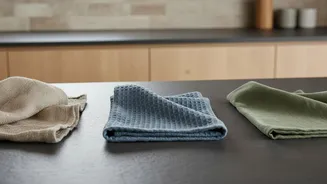
The key to a more hygienic kitchen is assigning specific roles to your cloths. Think of your kitchen linen in distinct categories. A dish towel should be reserved exclusively for drying clean dishes and glassware. A separate, smaller cloth or sponge should be used for wiping down counters and cleaning up spills. Another towel can be designated for drying freshly washed hands. Some experts even recommend a four-towel system: one for clean hands, one for drying dishes, one for minor cleaning of tools, and a final one for bigger messes. Using different colours or patterns for each task can help everyone in the household easily remember which towel is for what purpose.
A Simple, Safer Kitchen Routine
Adopting a safer routine doesn't have to be complicated. The most important rule is to swap out your towels frequently. Many microbiologists recommend changing your kitchen towels every day, or at least every other day. If a towel is used to wipe up raw meat juices or becomes very damp, it should be put in the wash immediately. When you do wash them, use a hot water cycle (at least 60°C) to effectively kill bacteria. Hanging towels so they can dry completely between uses is also crucial, as a damp towel grows bacteria much faster. For particularly messy or greasy cleanups, or after handling raw meat, using a disposable paper towel is often the safest choice to prevent spreading germs.