



Moving Beyond the Tourist Trail
For decades, Indian tourism often meant following a well-trodden path. Today, however, a significant shift is underway. Travellers, particularly younger generations, are venturing beyond major cities and popular circuits in search of more authentic and immersive
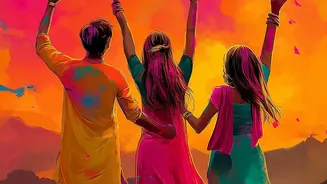
experiences. This curiosity is fuelling the rise of festival tourism, where the destination is chosen specifically for a unique cultural event. These festivals offer a concentrated, vibrant window into the soul of a region, celebrating everything from ancient tribal customs to contemporary independent music.
A Symphony of Sights and Sounds
Music is often the central draw, creating an irresistible energy that defines these gatherings. At the Ziro Festival of Music in Arunachal Pradesh, for instance, indie bands from across the country and the world perform against a stunning backdrop of pine-clad hills and rice paddies. But the experience goes beyond the main stage. It's about immersing oneself in the Apatani way of life, staying in local homestays, and discovering the rhythms of the valley. Similarly, Nagaland's Hornbill Festival, known as the 'Festival of Festivals', unites all of the state's major tribes, each presenting their unique songs and dances, offering visitors an unparalleled cultural medley. These events are a feast for the senses, where traditional folk music shares space with contemporary sounds.
A Culinary Journey on a Plate
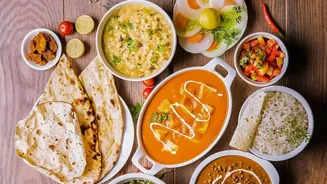
Food is an inseparable part of the festival experience, offering the most direct connection to a region's heritage. At the Hornbill Festival, food stalls become a culinary map of Nagaland, serving traditional delicacies like smoked pork with axone (fermented soybean) and dishes cooked in bamboo. In Gujarat, the Rann Utsav, set in the ethereal white salt desert, features an array of Kutchi specialities, allowing visitors to taste the local flavours while soaking in the landscape. These festivals turn dining into an act of discovery, where every meal tells a story of local ingredients, climate, and generational cooking techniques.
The Artisan's Stage
Alongside music and food, traditional crafts are a cornerstone of these cultural celebrations. Festivals provide a vital platform for local artisans to showcase and sell their work directly to a new audience. During the Rann Utsav, visitors can explore handicraft bazaars filled with the intricate embroidery and mirror work for which Kutch is famous. The Hornbill Festival features exhibitions of exquisite Naga shawls, wood carvings, and beadwork, with some artisans even conducting workshops for curious visitors. This interaction does more than just support local economies; it helps preserve ancient skills by creating a modern market and fostering appreciation for the craftspeople keeping these traditions alive.
More Than Just a Holiday
The rise of festival tourism reflects a deeper change in what people seek from travel. It is no longer just about seeing a place, but about connecting with it. These events act as powerful economic engines for rural areas, creating employment and providing livelihoods for artisans, performers, and local vendors. By transforming villages like Dhordo in Kutch and the Ziro Valley into bustling cultural hubs, these festivals bring the world to their doorstep. For the traveller, it's an opportunity to participate in a living culture, not just observe it from a distance. It's a more conscious, intentional way of exploring the vast diversity of India.