







What is Ambali?
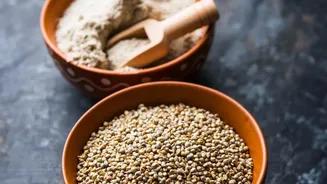
Ambali, also known as Ragi Ambali or Ragi Koozh, is a traditional beverage from South India, particularly popular in states like Karnataka, Andhra Pradesh, and Telangana. At its heart, it is a simple porridge made from ragi (finger millet) flour cooked
with water. What transforms it from a basic gruel into a nutritional marvel is the process of fermentation. The cooked millet paste is often left to ferment overnight, which imparts a subtle, tangy flavour and unlocks a host of health benefits. Traditionally, this versatile drink is served either savoury—mixed with buttermilk, salt, and finely chopped onions or green chillies—or sweet, with a touch of jaggery.
From Farmer’s Fuel to Urban Elixir
For generations, Ambali was the breakfast of champions for farmers and labourers. Consumed at the start of a long day, its combination of slow-releasing carbohydrates and hydrating properties provided sustained energy for strenuous work under the hot sun. Its reputation as a natural body coolant made it an indispensable part of rural diets, especially during the summer months. Now, this rustic staple is undergoing a modern renaissance. The current-day interest in gut health, probiotics, and clean eating has created the perfect environment for Ambali's comeback. Urban wellness cafes, in their quest for authentic, locally-sourced, and nutrient-dense offerings, are finding that Ambali fits their philosophy perfectly.
A Probiotic and Nutritional Powerhouse
The magic of Ambali lies in its fermentation. This natural process turns the porridge into a rich source of probiotics, the beneficial bacteria that are crucial for a healthy gut microbiome. These live cultures can help improve digestion, support immunity, and reduce inflammation. Fermentation also breaks down anti-nutrients like phytic acid found in millets, which in turn makes essential minerals like calcium and iron more bioavailable for the body to absorb. Ragi itself is a super-grain; it is naturally gluten-free, rich in dietary fibre, and is one of the best plant-based sources of calcium, essential for bone health. Its low glycemic index also helps in regulating blood sugar levels, making it a suitable choice for many.
The Modern Cafe Makeover
The revival of traditional Indian ingredients and recipes is a growing trend, with chefs and consumers alike looking to reconnect with their culinary heritage. Millets, once considered 'poor man's food', are now celebrated for their sustainability and health benefits, appearing in everything from pancakes to salads in city cafes. Ambali is the latest star in this movement. While its core recipe remains unchanged, cafes are giving it a contemporary twist in presentation. You might find it served chilled in an elegant glass, garnished with fresh mint, or subtly infused with modern flavours to appeal to a new generation of health-conscious diners. This trend signals a broader shift away from imported superfoods towards embracing the wisdom of our own local food traditions.