






The Rising Cost of Ingredients
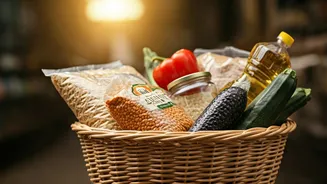
The primary reason your snack packs might get pricier is the rising cost of the raw materials used to make them. Major fast-moving consumer goods (FMCG) companies in India are grappling with significant inflation in key ingredients. Edible oils, which
are fundamental to most fried snacks like namkeen and chips, have seen sharp price increases. This is a major concern for India, one of the world's largest consumers of edible oil. Similarly, the prices of other crucial commodities like sugar, wheat, and cocoa are also on an upward trend, squeezing the profit margins of manufacturers. According to a report from Yes Securities, raw material inflation for consumer staples saw a sharp year-on-year increase of 13.2% in May 2026.
Global Ripples and Local Impact
Events happening thousands of miles away are having a direct impact on the cost of snacks in India. Geopolitical tensions have contributed to a surge in crude oil prices. This has a twofold effect: it increases transportation and logistics costs, and it also drives up the price of packaging materials like plastics and laminates, which are derived from crude oil. Packaging costs alone are estimated to have jumped by 15-20%. Furthermore, a weaker rupee makes importing these raw materials more expensive, adding another layer of cost pressure that companies eventually need to offset.
The Weather's Critical Role
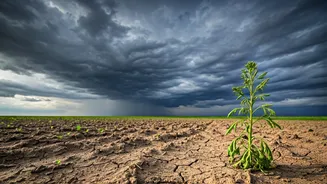
The performance of the monsoon is a crucial factor for India's agricultural output and, by extension, the FMCG sector. Concerns around a potentially weaker monsoon due to El Niño conditions could disrupt the production of key rain-fed crops like oilseeds. A deficient monsoon not only affects crop yields, leading to higher raw material prices, but it can also strain rural incomes. This reduces purchasing power in a market that is critical for the volume sales of many snack companies. As a result, companies become wary of significant price hikes that could further dampen demand, especially in these price-sensitive areas.
How Companies Are Responding
FMCG companies are navigating a tightrope. On one hand, they face rising costs that erode their profits; on the other, they risk losing customers if they increase prices too steeply. In response, many are adopting a multi-pronged strategy. Some have already initiated calibrated price hikes of 3-5%. Another common tactic is 'shrinkflation'—reducing the quantity or grammage of a product while keeping the price the same, particularly for popular low-price packs of ₹5 and ₹10. Companies like Britannia have indicated they are considering both direct price increases and grammage adjustments. Many firms are also focusing on internal cost-saving measures before passing the full burden to consumers.
What This Means for Your Grocery Bill
For consumers, the message is becoming clear: expect to see some changes in the snack aisle. The price hikes may not be drastic all at once, but they are likely to be steady. You might see the price of a larger pack of biscuits go up, or find that your favourite packet of chips feels a little lighter than it used to. This trend is prompting some households to manage their budgets by purchasing smaller packs more frequently, a shift that companies have noticed. As companies continue to evaluate the volatile cost environment, further price interventions may be necessary in the coming months.