








The Hidden Dangers of Dampness
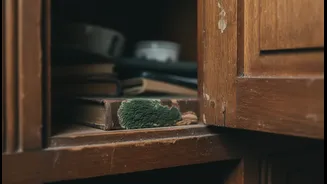
When humidity climbs, the air in your home holds more moisture. Inside a closed cupboard, with no airflow, this damp air gets trapped. This creates an ideal breeding ground for mould and mildew, which thrive in dark, moist environments. The consequences
range from a persistent musty odour that clings to your clothes and linens to the visible growth of black or green spots. Beyond the smell, this fungal growth can stain and damage fabrics, leather goods, and even wooden surfaces. High moisture levels can cause wood to warp, swell, or rot over time, compromising the structural integrity of your furniture. The health risks are also significant, as mould spores can trigger allergies and respiratory issues.
Spotting the Subtle Signs of Trouble
The most obvious sign of a humidity problem is visible mould, but often the warnings are more subtle. Trust your nose; a musty, earthy smell is a primary indicator that moisture has become an issue. Pay attention to how things feel. Are wooden drawers difficult to open? Do cabinet doors seem to stick? This can be a sign that the wood has swollen from absorbing moisture. In the kitchen, pantry items can offer clues. If you find your spices, salt, or sugar clumping together, it’s a clear sign of excess moisture in the air. Other indicators include peeling paint or laminate on cabinet surfaces and a general clammy feeling to clothes or linens stored inside.
Immediate Steps for Moisture Control
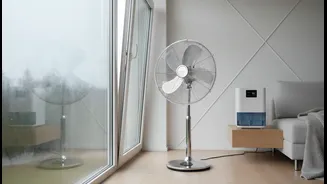
If you suspect a humidity problem, the first step is to improve air circulation. Open your cupboard and wardrobe doors for a few hours each day, especially on less humid days, to let fresh air in and damp air out. Using a fan to direct air into these spaces can speed up the process. Empty the cupboards completely and inspect them for any signs of mould or dampness. If you find any, clean the surfaces thoroughly. A simple cleaning solution can be made from vinegar and water. Crucially, ensure everything you put back inside is completely clean and dry, as even one slightly damp item can raise the humidity level significantly.
DIY and Natural Dehumidifiers
You don’t need to buy an expensive device to fight cupboard humidity. Several common household items work as effective natural desiccants. Pouches of silica gel, often found in new shoeboxes, are excellent at absorbing moisture and can be placed in corners. Charcoal briquettes are another fantastic option; they absorb moisture and help neutralise musty odours. Place a few in a breathable bag or an open container. Similarly, a bowl of uncooked rice or rock salt can draw moisture out of the air in a small, enclosed space. Chalk is also surprisingly absorbent and can be bundled together and hung in a closet to help keep it dry. Remember to replace these natural absorbers every few weeks or once they become saturated.
Long-Term Prevention Is Key
Preventing moisture buildup is more effective than dealing with its consequences. Avoid overfilling your cupboards and wardrobes; tightly packed items restrict airflow and trap moisture. For long-term storage, consider using breathable fabric bags instead of plastic ones, which can trap condensation. Regularly inspect for and fix any potential sources of moisture, like small leaks in pipes under the kitchen sink. For particularly humid homes or closets adjacent to bathrooms, a small, portable dehumidifier might be a worthwhile investment to keep humidity levels consistently below the 50-60% threshold recommended to prevent mould growth. Finally, making it a habit to periodically open and air out your storage spaces can make all the difference.