






1. Decode the Colour-Coded Alerts
The India Meteorological Department (IMD) uses a colour-coded system to warn citizens about upcoming weather conditions. For Mumbaikars, this is the first and most crucial piece of information. A Green alert means 'No Warning,' and you can go about your
day. A Yellow alert means 'Be Aware'; it signals that weather could worsen and you should stay updated. An Orange alert means 'Be Prepared' for heavy to very heavy rainfall that could disrupt travel, cause waterlogging, and lead to power cuts. This is a sign to reconsider non-essential travel. The Red alert, meaning 'Take Action,' is the most serious. It warns of extremely heavy rainfall that poses a significant risk to life and property. During a red alert, authorities advise citizens to stay indoors and avoid all but essential travel.
2. Understand the Rainfall Numbers
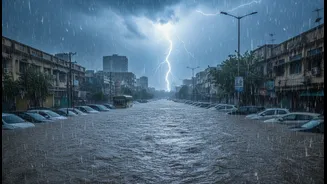
Weather reports often mention rainfall in millimetres (mm). While the numbers can seem abstract, they provide a clear picture of intensity. According to the IMD, 'heavy rainfall' is between 64.5 mm and 115.5 mm in 24 hours. 'Very heavy' is 115.6 mm to 204.4 mm, and 'extremely heavy' is anything above 204.5 mm. To put this in perspective, Mumbai's drainage systems struggle to handle intense bursts of rain, even if the 24-hour total seems manageable. A sharp spell of 100 mm in just a few hours can cause more immediate flooding than 200 mm spread over an entire day. Recent data shows Mumbai receiving its monthly average rainfall in just the first week of July, highlighting the trend of short, intense downpours.
3. Always Check the High Tide Timings
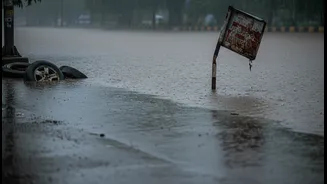
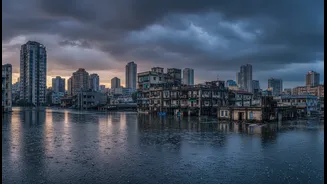
Rainfall data alone doesn't tell the whole story. The single most important factor that amplifies flooding in Mumbai is the high tide. Mumbai is a coastal city built largely on reclaimed land, with many areas close to sea level. During high tide, the sea level rises, preventing the city's overflowing drains from emptying into the Arabian Sea. If a spell of heavy rain coincides with a high tide of over 4.5 metres, the water has nowhere to go, leading to rapid and severe waterlogging, especially in low-lying areas. Information about high tide timings is readily available from sources like the Brihanmumbai Municipal Corporation (BMC) and should be a critical part of your daily monsoon check.
4. Trust Official Sources, Not Rumours
During a crisis, misinformation spreads faster than floodwaters. Forwarded messages on WhatsApp and unverified social media posts often create unnecessary panic. For reliable information, stick to official sources. The IMD's Mumbai office and the BMC are the primary agencies for weather alerts and civic advisories. Their official websites and social media handles provide real-time updates on rainfall, waterlogging, and traffic diversions. The Mumbai Traffic Police also shares live updates on road conditions. Following these official channels ensures you are acting on accurate information, not speculation.
5. Go Beyond Weather; Check Your Route
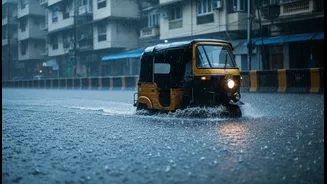
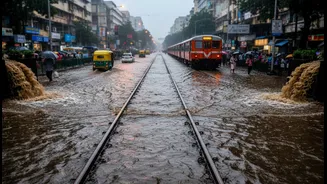
Knowing it's raining isn't enough; you need to know how it affects your specific journey. Before leaving home, check real-time updates for your entire route. Chronic waterlogging spots like the Andheri subway, Hindmata, and low-lying areas in the eastern and western suburbs can become impassable quickly. Check live traffic on map applications, which often show road closures and slow-moving traffic. For those relying on public transport, follow the official social media accounts of the Western and Central Railways for updates on local train services, which are frequently disrupted by waterlogged tracks. A combination of weather, traffic, and railway updates gives you a complete operational picture for your commute.