






The New Travel Itinerary
Forget frantic, checklist-driven tourism. The new travel mantra for a significant number of Indians is slower, more immersive, and decidedly more flavourful. Recent reports indicate a major shift, with some data suggesting nearly 40% of travellers now
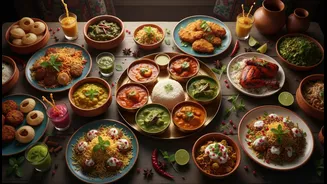
see a destination's cuisine as a primary factor in their decision-making. This move towards 'gastronomic tourism' is driven by a desire for authenticity and a deeper connection to place. Travellers are no longer content with just eating at a famous restaurant; they want to understand the story behind the food. This trend is especially strong among those aged 28-40, but a younger, social-media-savvy crowd between 22 and 27 is also eagerly jumping on the bandwagon, inspired by a constant feed of culinary content.
From Farm to Holiday Table
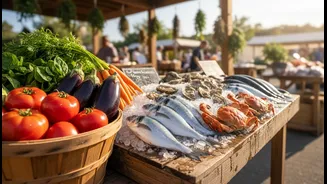
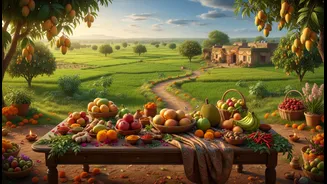
A key part of this culinary shift is the boom in agritourism, which connects travellers directly to the source of their food. Experiences now extend far beyond the restaurant table to include farm stays, plantation tours, and hands-on harvesting. Imagine picking your own tea leaves in Assam, strolling through fragrant spice gardens in Kerala, or participating in an apple harvest in Himachal Pradesh. These farm-to-table holidays offer a chance to connect with nature and understand sustainable agricultural practices. Eco-friendly farm stays in places like Goa and Kerala are gaining popularity, offering everything from village food tours to heritage cooking workshops that focus on hyper-local, organic produce. This isn't just a vacation; it's an education in where our food comes from, offering a tangible link between the land and the plate.
A Taste of the Season
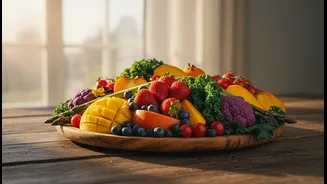
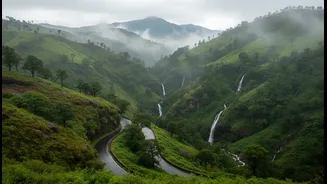
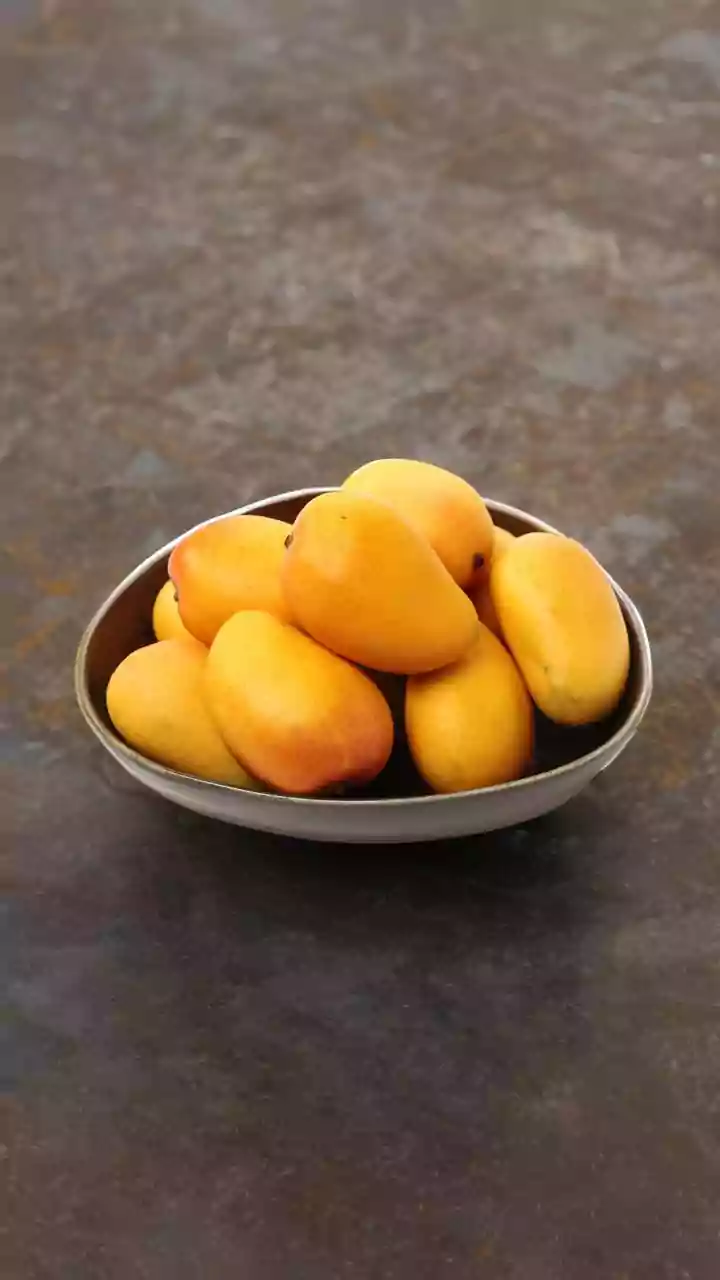
The sophisticated culinary traveller knows that the best ingredients are seasonal. This awareness is now shaping travel calendars. Trips are being planned specifically to coincide with a region's peak harvest. In the Himalayan belt, the short growing seasons dictate a simple, hearty cuisine, offering a taste of life shaped by altitude and climate. In contrast, the monsoon season in Kerala brings its own unique bounty of vegetables and fish, which are central to the local diet. Food lovers are timing their visits to experience winter delicacies like Daulat ki Chaat in Delhi or Undhiyu in Gujarat. Others plan trips around specific events, like the strawberry festivals in Mahabaleshwar or mango tours in the Konkan region. By following the rhythm of the seasons, travellers are rewarded with ingredients at their freshest and most flavourful, ensuring a truly authentic taste of the place.
Cooking with the Community
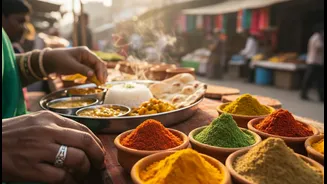
For this new breed of traveller, souvenirs are no longer just trinkets, but recipes and skills. The demand for hands-on culinary experiences is surging. Travellers are actively booking cooking classes to learn the secrets of regional specialties, whether it's mastering a spicy Chettinad curry in Tamil Nadu, learning to make wood-fired pizza with local cheese in Kodaikanal, or perfecting Nawabi kebabs in Lucknow. These workshops, often held in local homes or small community centres, offer more than just a cooking lesson. They provide a genuine cultural exchange, allowing travellers to connect with local people and understand traditions passed down through generations. The experience becomes a two-way street, fostering appreciation for local heritage while providing a sustainable source of income for communities.