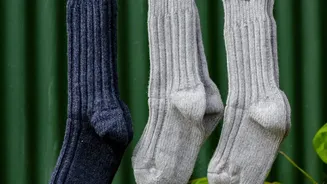




Woollen clothes are a cosy staple, but the fear of shrinking or ruining them is real. Proper care is simpler than you think and key to preserving their shape, softness, and longevity, ensuring your favourite knits stay beautiful for many seasons to come.
The Gentle Wash: Less Is More
The first rule of wool care is to wash less. Wool has natural anti-bacterial and odour-resistant properties, so simply airing your garments after wear is often enough to freshen them up. When a wash is necessary, always check the care label first. Hand washing is the safest method. Use cool or lukewarm water, as hot water can cause shrinkage and damage. Choose a mild detergent designed specifically for wool, as regular detergents can strip the natural oils from the fibres. Let the garment soak for about 10 minutes, gently swirling it, but avoid vigorous rubbing or wringing. If machine washing is an option, use the dedicated wool cycle or a gentle, cold water cycle. Placing the item in a mesh laundry bag provides extra protection against snagging and friction.
Drying Without Stretching or Shrinking
How you dry your woollens is just as critical as how you wash them. Never hang a wet wool sweater, as the weight of the water will stretch the fibres and permanently distort its shape. Similarly, avoid high heat from a tumble dryer, which can cause irreversible shrinkage and felting. The correct method is to lay the garment flat to dry. After washing, gently squeeze out excess water without wringing the fabric. Lay the item on a clean, dry towel, roll the towel up like a burrito, and press firmly to absorb more moisture. Then, unroll it, reshape the garment to its original dimensions on another dry towel or a flat drying rack, and let it air dry away from direct sunlight or heat.
Smart Storage: Fold, Don't Hang
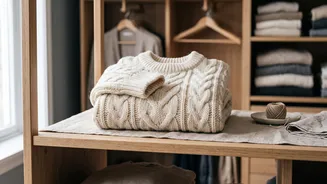
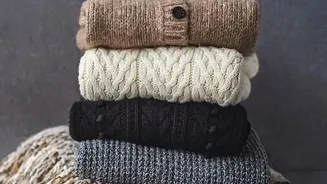
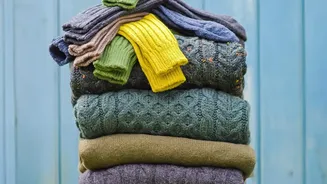
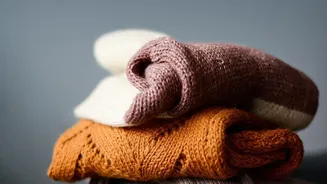
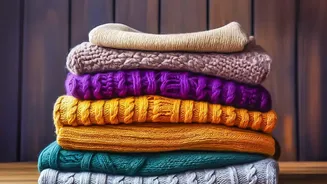
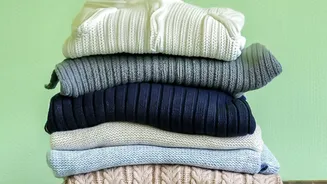
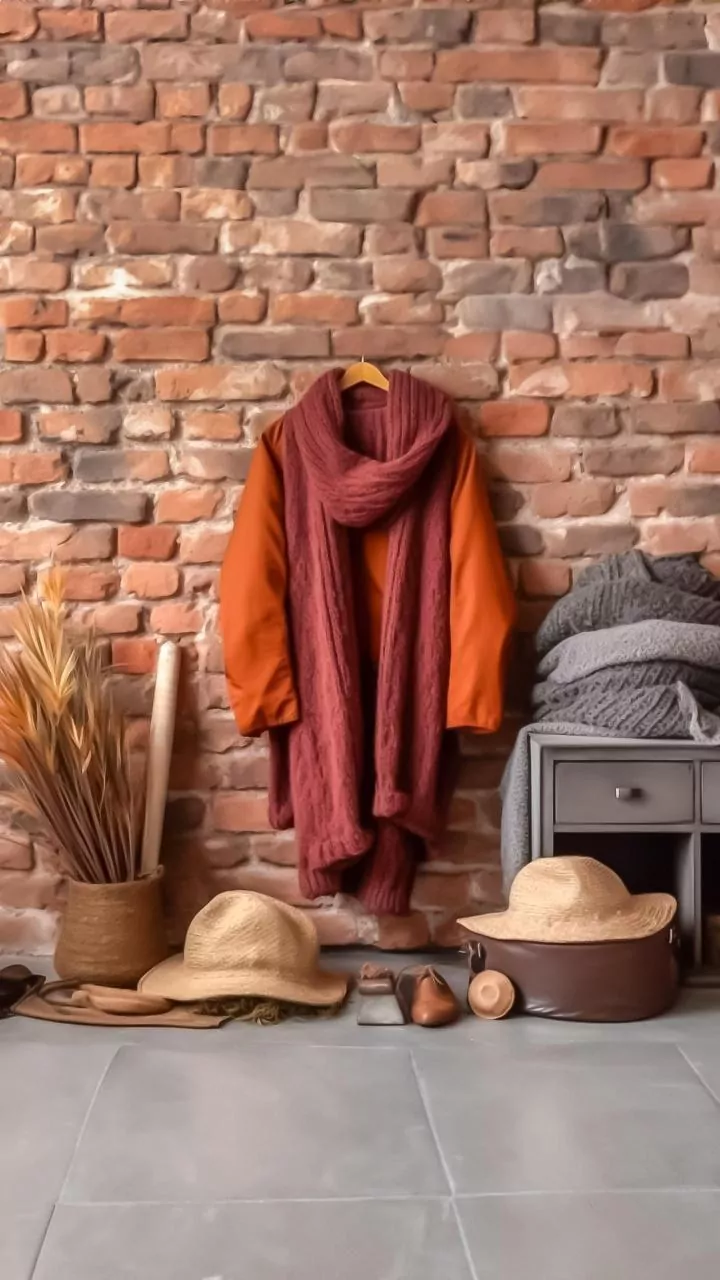
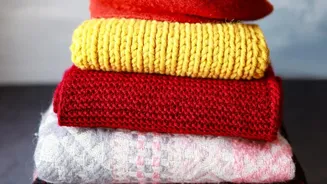
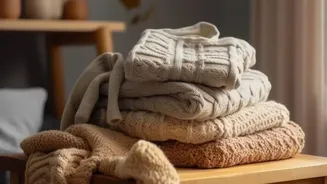
Gravity is the enemy of knitted garments. Storing wool sweaters on hangers is a common mistake that leads to stretched-out shoulders and misshapen necklines. The best way to store your knits is to fold them neatly. Store them in a drawer or stacked loosely on a shelf. Avoid packing them too tightly, which can cause wrinkling and crush the fibres. For long-term seasonal storage, ensure the garments are completely clean and dry to prevent attracting pests like moths. Instead of plastic bins, which can trap moisture and lead to mildew, opt for breathable cotton storage bags or canvas boxes. Adding natural moth repellents like cedar blocks or lavender sachets can offer extra protection.
Dealing With Common Problems
Even with perfect care, issues can arise. Pilling—those small, fuzzy balls—is caused by friction, but it's manageable. It can be minimised by washing garments inside-out. To remove existing pills, never pull them by hand, as this can loosen more fibres. Instead, use a fabric shaver or a special sweater comb, working gently over the surface of the fabric. If a sweater has accidentally stretched, wetting it again can help reset the fibres. Wash it in cool water, press out the moisture, and carefully reshape it to its correct dimensions while laying it flat to dry. For shrunken knits, soaking the garment in lukewarm water with a capful of hair conditioner can help relax the fibres, allowing you to gently stretch it back into shape before drying flat.