
The Power of Lentils and Pulses
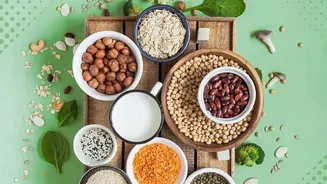
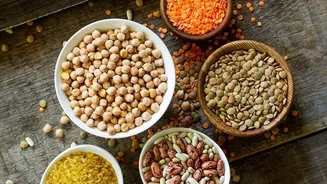
Lentils, or dals, are the backbone of many Indian vegetarian meals, and breakfast is no exception. Moong dal, in particular, is a star ingredient. Used to make dishes like chilla (a savoury pancake), it offers a fantastic source of plant-based protein,
crucial for muscle repair and keeping you full. A single medium moong dal chilla can provide around 6-8 grams of protein. These lentils are also rich in dietary fiber, which aids digestion and helps maintain stable blood sugar levels. When you enjoy a besan (gram flour) chilla, you're getting similar benefits from chickpeas, another protein and fiber-rich pulse. Dishes like Pesarattu, made from whole green gram, are also packed with protein, vitamins, and minerals.
Fermented Foods for Gut Health and More
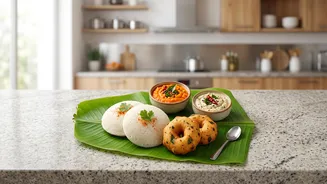
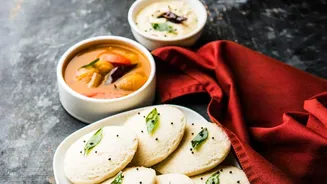
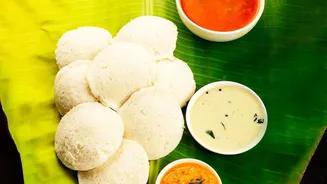
South Indian staples like idli and dosa are globally recognised for their health benefits, largely thanks to fermentation. The process of fermenting the rice and urad dal batter for 12-18 hours doesn't just create a light, fluffy texture; it transforms the food. Fermentation breaks down the starches and proteins, making them easier to digest. Crucially, it also increases the bioavailability of nutrients like B vitamins, iron, and calcium. This means your body can absorb these minerals more effectively. Furthermore, fermented foods are rich in probiotics, the beneficial bacteria that support a healthy gut microbiome, which is linked to better immunity and overall wellness. The combination of rice and dal also forms a complete protein, providing all essential amino acids.
The Goodness of Whole Grains
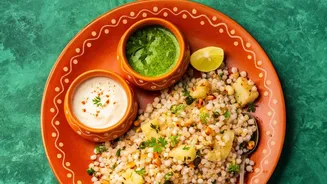
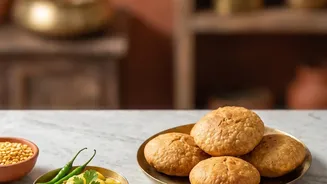
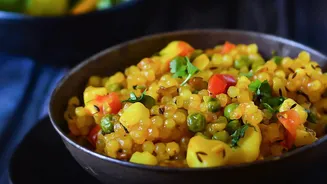
Many Indian breakfasts are built around whole grains that provide sustained energy. A whole wheat paratha, for example, is a source of complex carbohydrates, protein, and significant dietary fiber. Similarly, upma, often made from semolina (suji/rava), provides complex carbs for a steady release of energy. When loaded with vegetables like carrots, peas, and beans, its fiber and vitamin content gets a major boost. Another breakfast hero is poha (flattened rice). It's light on the stomach, easily digestible, and a good source of carbohydrates and iron. Squeezing lemon juice over your poha is a traditional practice that actually helps your body absorb the iron more efficiently due to the vitamin C.
Vegetables, Spices, and Healthy Fats
A traditional Indian breakfast is rarely a singlendote affair. It’s a symphony of ingredients working in harmony. Vegetables are seamlessly integrated into most dishes, from the onions and peas in poha and upma to the variety of gourds and greens in sambar. This automatically increases the fiber, vitamin, and mineral content of the meal. Spices are not just for flavour; they have medicinal properties. Turmeric is anti_inflammatory, while cumin and ginger aid digestion. Finally, healthy fats come from the minimal oil or ghee used in cooking and from additions like peanuts in poha or coconut in chutneys, which provide satiety and can help with nutrient absorption.