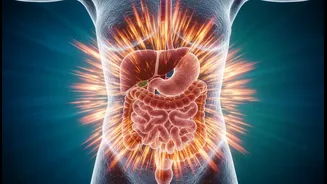









The Brain-Stomach Connection
It takes approximately 20 minutes for your brain to receive the signal from your stomach that you are full. When you eat quickly, you can easily consume more food than your body needs before this signal ever arrives. Slowing down allows this crucial communication
to happen. This practice, often called mindful eating, helps you recognise your body's natural hunger and fullness cues more effectively. Thoroughly chewing your food not only aids digestion from the very first bite but also allows you to savour flavours and textures, leading to greater satisfaction from your meal. Studies show that people who eat slowly tend to consume less and report feeling less hungry later. It’s not about restriction, but about giving your body the time to register what it has received.
Beyond Weight: The Importance of Body Composition
Body composition refers to the proportion of fat and fat-free mass (like muscle, bone, and water) in your body. Unlike body weight, it provides a clearer picture of your metabolic health. Research indicates that fat-free mass, particularly muscle, plays a significant role in regulating appetite. Your lean mass, not your fat mass or BMI, is positively associated with meal size and daily energy intake. This suggests that the body works to fuel its active tissues. Therefore, building or maintaining muscle through physical activity isn't just about burning calories; it's about fundamentally influencing the signals that drive your appetite. This creates a more regulated eating behaviour, where your intake is better matched to your body's actual needs.
How Activity Reshapes Your Food Choices
Starting a regular physical activity routine can do more than just improve your fitness; it can change what you want to eat. Studies have found that becoming more physically active is associated with healthier eating habits. People who exercise regularly often show an increased preference for nutritious foods like fruits and vegetables, and a lower preference for high-fat or fried foods. This isn't just a matter of willpower. High-intensity exercise may actually alter neural processing in the brain, influencing your food preferences. Physical activity helps individuals gain better control over their eating behaviour, making them less susceptible to emotional or external eating cues and more attuned to their body's hunger and satiety signals.
The Positive Feedback Loop
When you combine these elements, a powerful, self-reinforcing cycle begins. Eating slowly makes you more mindful and satisfied, which can lead to better portion control. Engaging in physical activity builds lean muscle mass, which helps regulate your appetite more effectively. This increased activity, in turn, can make healthier foods seem more appealing. This positive loop shifts the focus from the negative cycle of restrictive dieting and guilt to a more empowering approach. You become more in tune with your body’s needs, both for movement and for nourishment. Mindful eating has been consistently linked with better overall diet quality, including a higher intake of healthy foods. You naturally start making better choices because they feel right, not because you're following a strict set of rules.