







A Post-Pandemic Domestic Travel Surge
After years of restrictions, Indians are travelling with a vengeance, but with a renewed focus on exploring their own backyard. This has led to a massive increase in footfall at domestic tourist spots, including historical monuments. While international
travel is still catching up to pre-pandemic levels, the sheer volume of domestic tourists is creating unprecedented demand. Destinations from Himalayan hill stations to coastal forts are experiencing what is often called 'overtourism', where the number of visitors exceeds the location's capacity to handle them sustainably. This surge, driven by easier travel options and a desire for authentic experiences, is the primary trigger for the current strain on our heritage sites.
Crumbling and Inadequate Infrastructure
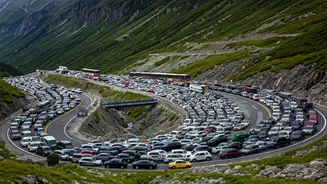
Many of India's heritage sites are ancient, and so is the infrastructure surrounding them. The roads leading to these destinations are often narrow and poorly maintained, leading to massive traffic jams that can trap tourists for hours. Once there, visitors are often met with a lack of basic amenities like clean toilets, adequate parking, and efficient ticketing systems. This deficit is a major bottleneck. Even when visitors pay premium prices, the overall experience can be ruined by these infrastructural failings. The problem is that demand is changing faster than infrastructure can be planned and built, with public projects often slowed by red tape and funding issues.
The Conservation Versus Access Dilemma
The core purpose of preserving heritage sites is to protect them for future generations. However, this goal is often in direct conflict with providing access to a growing number of tourists. Increased footfall directly translates to more wear and tear on ancient structures. The pollution from traffic and waste generated by large crowds can cause irreversible damage to delicate monuments. The Archaeological Survey of India (ASI), the main body responsible for over 3,600 nationally protected monuments, faces a constant battle. It must enforce conservation rules while states and tourism bodies push for more visitor access, often leading to policy conflicts and governance gaps.
A Shortage of Funds and Staff
The bodies tasked with protecting these sites are severely under-resourced. The ASI, for example, is reportedly operating with just over half of its sanctioned staff strength, facing significant manpower shortages across all departments. This means fewer guards to manage crowds, fewer experts to carry out crucial conservation work, and a slower pace for essential repairs. Funding is another critical issue. The budget allocated for monument restoration is often a fraction of what is required, with officials stating that the funds are not sufficient for the amount of work that needs to be done. In some cases, the ASI has had to consider outsourcing projects just to cope with the workload.
The Need for Smarter Management
While the challenges are immense, they are not insurmountable. Experts point to the need for smarter management strategies. This includes diversifying tourism by promoting lesser-known heritage sites to distribute the visitor load more evenly. Implementing carrying capacity limits and modern reservation systems can help regulate the flow of tourists to particularly sensitive areas. There is also a push for greater investment in sustainable infrastructure, such as better waste management and green transport options. Ultimately, balancing the economic benefits of tourism with the preservation of our cultural legacy requires a coordinated effort between central government, state authorities, and local communities.