





The End of ‘Who’s Taking Notes?’
Think about your last team meeting. It was likely full of brilliant ideas, critical decisions, and a flurry of action items. But what happened afterwards? Typically, one person is burdened with deciphering scribbled notes or a messy document to manually
create tasks in a project management system like Asana, Trello, or Jira. This process is slow, prone to human error, and a significant drain on productivity. Important details get lost, deadlines are misremembered, and the momentum generated in the meeting fizzles out. This gap between discussion and action is one of the biggest hidden costs in modern collaborative work. It’s a universal pain point that has, until now, been accepted as just 'the cost of doing business'.
How AI Bridges the Conversational Gap
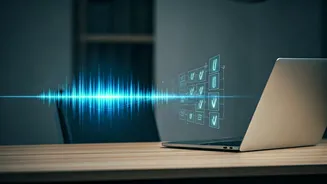
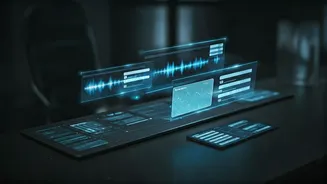
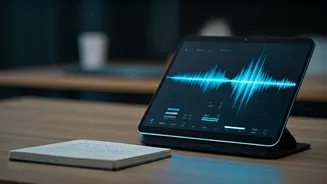
This is where a new generation of artificial intelligence tools comes in. These platforms act as a digital assistant that attends your meetings (virtual or in-person) with one job: to listen. The core technology works in a two-step process. First, it uses advanced speech-to-text algorithms to create a highly accurate, time-stamped transcript of the entire conversation. This alone is useful, but the real magic happens in the second step. Using Natural Language Processing (NLP), the AI analyses the transcript to understand context, identify key topics, and, most importantly, detect action items. It can recognise phrases like “Priya will send the report by Tuesday” or “We need to decide on the new vendor next week” as specific, assignable tasks.
From Spoken Words to Structured Workflows
The true breakthrough is the seamless integration these tools offer with the task boards your team already uses. Instead of just giving you a list of suggested tasks, the AI can push them directly into your project management software. For example, when the AI hears that “Arjun needs to review the marketing copy,” it can automatically create a new card in Trello on the 'Marketing' board, assign it to Arjun, and even add a link to the relevant part of the meeting transcript for context. Tools like Fireflies.ai, Otter.ai, and Sembly are leaders in this space, offering deep integrations that connect your conversations in Google Meet or Zoom directly to platforms like monday.com, Asana, and Slack. This transforms a passive meeting recording into an active, automated project management engine.
The Real-World Productivity Gains
The benefits of adopting this technology are immediate and substantial. First and foremost is the massive amount of time saved. Teams can eliminate hours previously spent on manual note-taking and data entry, freeing up employees to focus on strategic work. Secondly, it dramatically improves accountability. When action items are captured and assigned automatically in real-time, there’s no ambiguity about who is responsible for what. Nothing falls through the cracks. Accuracy also gets a major boost. The AI doesn’t get distracted or misinterpret a key detail; it captures everything verbatim. This creates a reliable, searchable archive of decisions and commitments, settling any future debates about what was actually agreed upon.
What to Consider Before Diving In
While this technology is powerful, it’s not a magic wand. Human oversight is still crucial. AI transcription is not yet 100% perfect, especially with strong accents, technical jargon, or poor audio quality. It’s best to treat the AI-generated tasks as suggestions that a project manager or team lead quickly reviews and approves. Furthermore, there are important privacy and etiquette considerations. You must be transparent with all attendees—including clients and external partners—that a meeting is being recorded and transcribed by an AI. Getting consent is non-negotiable. Finally, start small. Test these tools on internal team meetings first to get comfortable with the workflow and assess their accuracy before rolling them out company-wide.