






From Ancient Courts to Global Stages
Indian classical dance, once confined to temple sanctums and royal courts in India, has become a global phenomenon. Its journey across continents is a story of migration, passion, and preservation. Today, it's not unusual to find sold-out performances
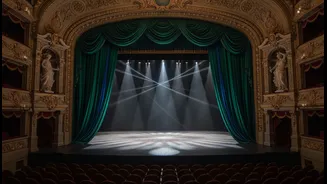
in London, Toronto, or New York, at venues as celebrated as Carnegie Hall. Just recently, the All-Indian Dance Festival at the famed Manhattan venue featured 387 artists, many of them born and raised in the United States, performing a dazzling array of classical and folk dances to an audience of nearly 3,000. These high-profile events are powerful symbols, showcasing the arrival and acceptance of these intricate art forms on the world stage. They demonstrate a vibrant continuation of a 5,000-year-old cultural legacy, presented by a new generation.
The Diaspora's Dedicated Custodians
The foundation for this global presence was laid decades ago by first-generation immigrants. Gurus and dedicated teachers, often starting in their own homes or small community centres, painstakingly established schools to pass on their knowledge. Organizations like Three Aksha in Philadelphia, which curated the recent Carnegie Hall festival, or the Indo-American Arts Council with its Erasing Borders Dance Festival, are pillars of this ecosystem. These institutions, alongside countless smaller schools across the US, UK, and beyond, have become the new nerve centres for classical dance. Parents in the diaspora often encourage their children to learn these forms as a way to maintain a connection to their Indian heritage, making dance a crucial link to their cultural identity.
A New Generation Carries the Torch
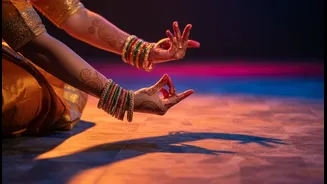
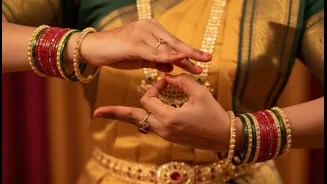
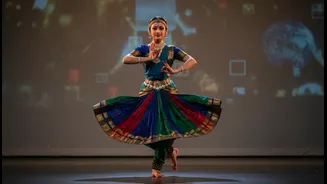
The performers now taking centre stage are often second or third-generation immigrants. For them, the experience of learning is different. While students in India grow up immersed in the culture and mythology that underpin the dances, diaspora dancers often learn on a 'blank canvas'. Teachers must creatively bridge this cultural gap, explaining the significance of a hand gesture (mudra) that depicts a traditional object a student has never seen, or narrating a mythological story that is not part of their daily life. Despite these challenges, these young artists demonstrate immense commitment, undertaking rigorous training to master the complex techniques and nuanced expressions of forms like Bharatanatyam, Odissi, and Kathak.
Navigating Identity and Innovation
These overseas-born dancers often face a unique set of questions about authenticity and identity. They are custodians of an ancient tradition but also products of a contemporary, multicultural world. This dual identity is not a weakness but a source of creative strength. Many artists find that living abroad deepens their appreciation for their cultural heritage. They are not simply preserving the art form in a static state; they are actively interpreting it. This generation is increasingly involved in cross-genre collaborations, using contemporary themes, and creating new works that speak to their lived experiences, building a bridge between their ancestral home and their current one.
Challenges Beyond the Applause
Despite the success stories, the path for a diaspora dancer is not without its struggles. Financial sustainability is a major concern. The costs of advanced training, traditional costumes, hiring live musicians, and securing performance venues can be prohibitive. While some organisations receive funding, many artists and schools operate on shoestring budgets, driven more by passion than profit. Building an audience beyond the South Asian community is another persistent challenge, requiring artists to also be educators and advocates for their craft. Competing with a vast array of modern entertainment options means that keeping classical dance relevant and accessible is a continuous effort.