



The Coolest Spot in the Universe
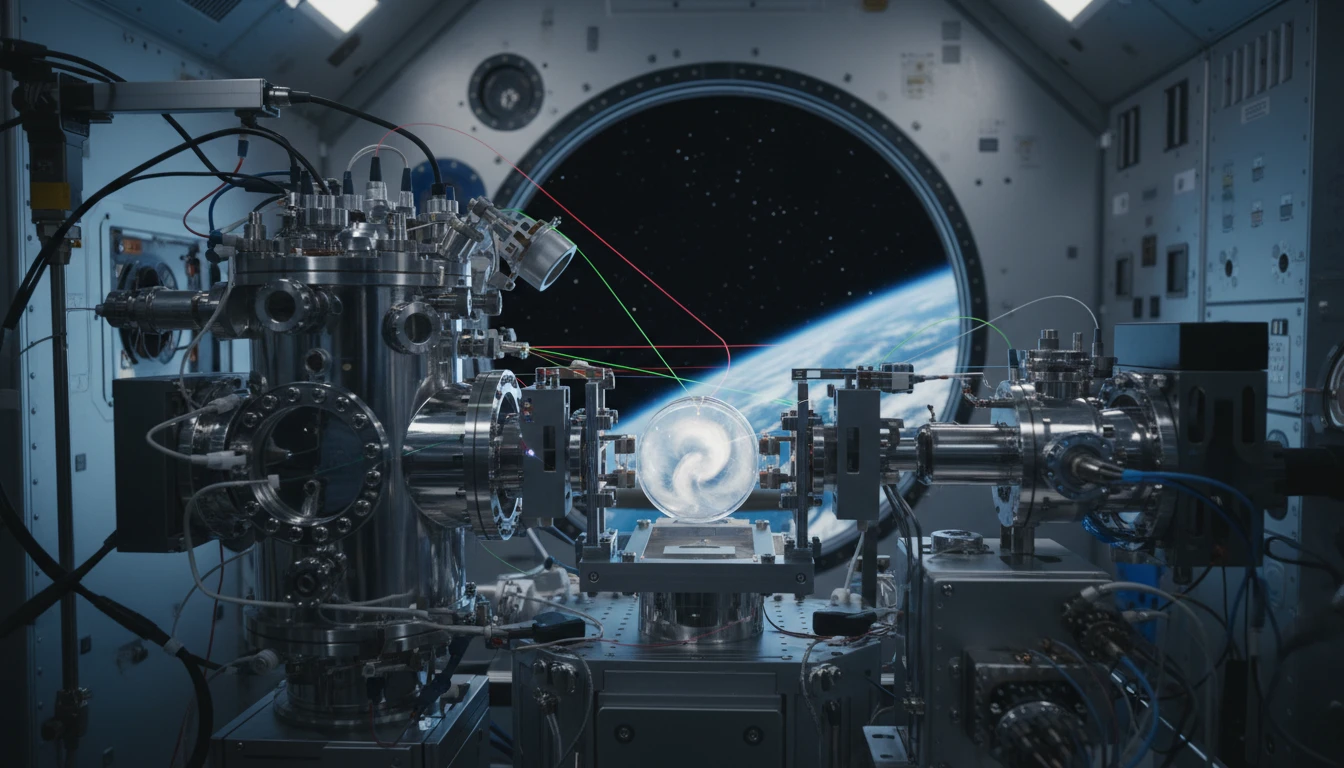
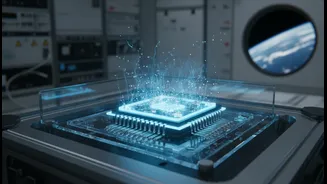
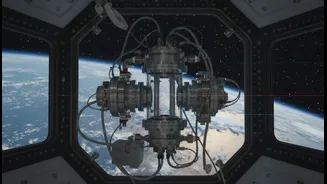
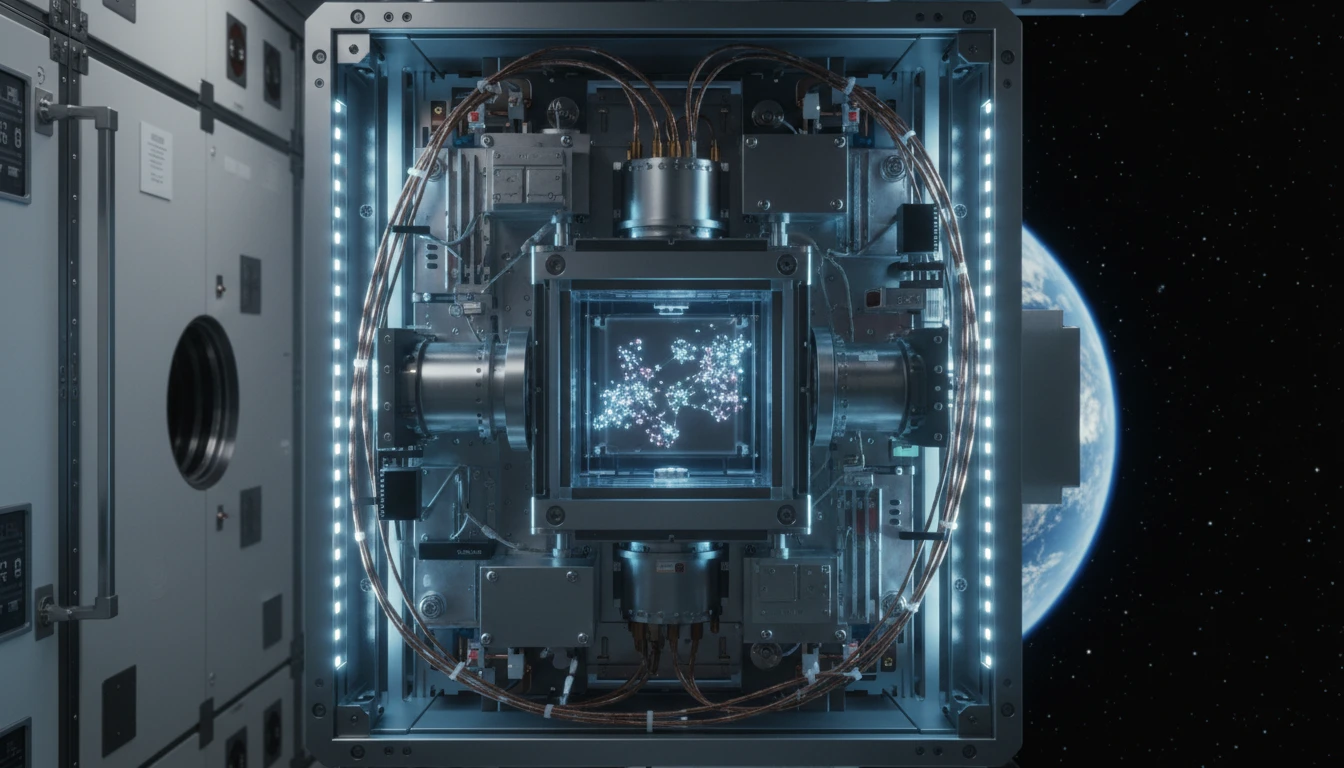
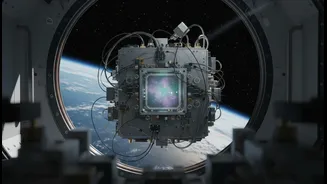
The Cold Atom Lab (CAL) is a remarkable facility. Its job is to cool atoms down to temperatures just a fraction of a degree above absolute zero, which is minus 459 degrees Fahrenheit (minus 273 degrees Celsius). At these extreme temperatures, something
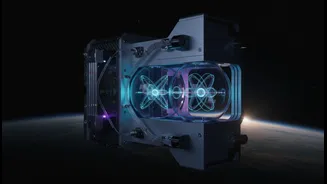
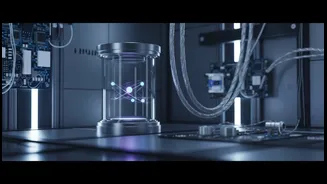
incredible happens: the atoms stop behaving like individual particles and merge into a single quantum object called a Bose-Einstein condensate, or BEC. First predicted by Albert Einstein and Satyendra Nath Bose in the 1920s, a BEC is considered a fifth state of matter, distinct from solids, liquids, gases, and plasma. In this state, the weird rules of quantum physics, which usually only apply at subatomic scales, become visible on a macroscopic level, allowing scientists to observe and study them directly.
Why Zero Gravity is Key
Creating a Bose-Einstein condensate on Earth is incredibly difficult. Gravity is the main problem. The moment a BEC is formed, gravity pulls the delicate cloud of atoms downward, limiting observation times to mere milliseconds before the cloud dissipates. This is where the International Space Station comes in. In the microgravity of orbit, the atoms can float freely inside the lab's magnetic trap. This allows scientists to observe the BECs for much longer periods—seconds instead of milliseconds. Furthermore, the weaker magnetic fields needed to hold the atoms in space allow the cloud to expand and cool even further, reaching temperatures and states that are simply unachievable in any lab on the ground.
A Quantum Leap Forward
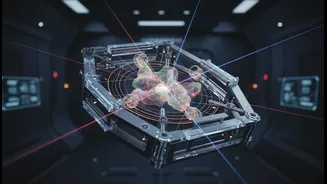
Since its installation in 2018, the Cold Atom Lab has been a game-changer, producing the first BECs in orbit. The facility recently received its fourth major upgrade, significantly expanding its research capabilities. Astronauts installed new hardware that includes a redesigned magnetic trap. This new trap gives scientists the ability to alter the shape of the quantum gas clouds, molding them from spherical forms into bubble-like or flattened shapes. This control allows researchers to study how quantum phenomena, like frictionless microscopic tornadoes, behave under different conditions. The upgrade also includes improved atom sources and better measurement tools, providing purer samples and more precise data.
Exploring the Quantum 2.0 Frontier
This enhanced control over the quantum world moves the experiments from simple observation to active engineering. Scientists can now directly manipulate large quantum states, a field some are calling "Quantum 2.0." The first quantum revolution gave us foundational technologies like lasers, cellphones, and MRIs. This new phase could lead to the next generation of ultra-precise quantum sensors. Potential applications include navigation systems for the Moon that don't rely on GPS, sensors that can create high-precision maps of Earth's gravity to monitor climate change, and new tests of fundamental physics, such as the nature of dark energy and dark matter. The work being done on the ISS is crucial for demonstrating that these advanced quantum technologies can operate reliably in space.