






The Science of 'Exercise Snacks'
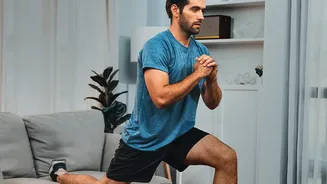
The secret lies in a concept scientists have termed Vigorous Intermittent Lifestyle Physical Activity, or VILPA. This refers to the short, sporadic bursts of intense effort we perform in our daily lives, often without even thinking of it as exercise.
Studies, like a landmark one published in Nature Medicine, used wearable trackers to monitor people who don't formally exercise. The results were startling: individuals who engaged in just three to four one-minute bursts of VILPA per day saw a reduction in the risk of death from cardiovascular disease by up to 49 percent. This approach is similar to High-Intensity Interval Training (HIIT) but is integrated seamlessly into your existing routine, requiring no special equipment or time commitment.
Why Short Bursts Are So Powerful
You might wonder how such brief moments of activity can make a difference. The key is intensity. When you push your body vigorously, even for just a minute, you challenge your cardiorespiratory system. This process helps improve your heart's efficiency, lowers your risk of developing hypertension, and can even trigger the release of heart-protective proteins. Think of these moments as 'exercise snacks'—small, potent doses of activity that accumulate throughout the day. Research has shown that the total volume of movement can be more important than whether it happens in one long session or in several short ones. A total of just a few minutes a day, spread across these intense bursts, can lead to remarkable health gains.
Turning Everyday Chores into a Workout
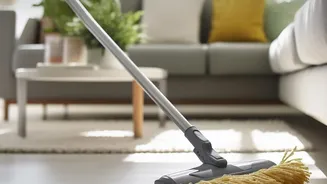
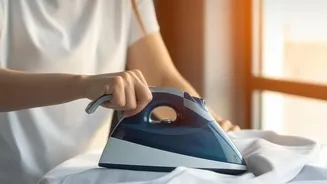
Many common household tasks are perfect candidates for VILPA, as long as you increase the intensity. The goal is to work hard enough that you find it difficult to hold a conversation. Instead of slowly carrying in the groceries, make multiple fast trips with heavier loads. When cleaning, turn up some music and scrub the floors or vacuum with energetic, powerful movements. Other great examples include carrying heavy laundry baskets upstairs quickly, engaging in vigorous yard work like digging or fast-paced raking, or simply choosing to take the stairs and climbing them at a brisk pace. Even playing with children or pets can count if it gets your heart rate up.
How Much Is Enough?
The headline's '3 minutes' is an excellent target that aligns with scientific findings. Studies have found significant benefits from as little as three or four daily bouts of VILPA, each lasting just one minute. This adds up to three to four minutes of high-quality movement per day. A study tracking over 22,000 people found that an average of 3.4 minutes of VILPA daily was linked to a nearly 50% lower risk of major heart events in women. While the benefits start with just a few minutes, research also suggests a 'more is better' effect. For instance, another analysis found that accumulating around 4.4 minutes of VILPA per day was associated with a 32% to 34% reduction in cardiovascular disease mortality risk. The key is consistency and intensity in these brief efforts.
Making It a Daily Habit
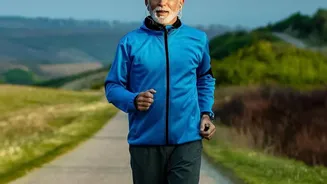
Integrating VILPA into your life doesn't require a major overhaul; it's about shifting your mindset. Start by identifying opportunities in your existing routine. Could you walk faster to the bus stop? Can you carry your shopping bags instead of using a cart for a short distance? The beauty of VILPA is that it capitalizes on activities you're already doing. To stay motivated, focus on the feeling of accomplishment after each short burst. Studies have shown that finishing chores can improve your mood and motivation, creating a positive feedback loop. By consciously 'upping the pace' during a few routine tasks each day, you can build a sustainable habit that delivers powerful, long-term health rewards without feeling like a workout.