







What Are Compression Sacks?
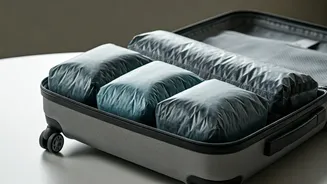
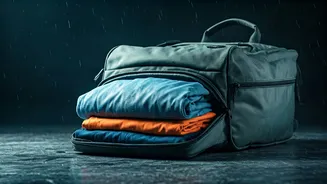
At their core, vacuum seal compression sacks are heavy-duty plastic bags equipped with a one-way valve and a zip-lock seal. The concept is brilliantly simple: you place your clothes inside, seal the bag, and then force the air out. By removing excess
air, these sacks can reduce the volume of soft goods like clothing and towels by up to 50% or even more. Some versions require a small hand pump or even a household vacuum cleaner, but the most travel-friendly options are the 'roll-up' kind. With these, you simply seal the bag and roll it tightly from the bottom, pushing the air out through the one-way valve at the other end. No extra equipment needed, which is perfect for repacking on the go.
The Ultimate Monsoon Advantage
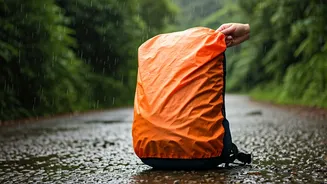
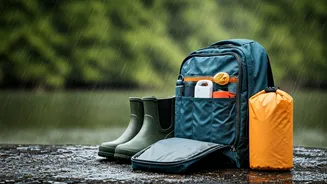
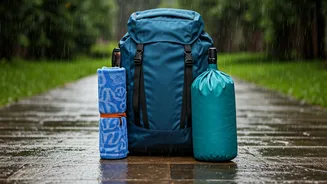
While saving space is their most famous feature, the real genius of using these sacks for monsoon travel is their water- and moisture-proofing capability. The airtight seal that compresses your clothes also creates an impenetrable barrier against humidity and accidental splashes. Imagine your suitcase getting caught in a sudden downpour on its way to the hotel room, or a damp towel accidentally packed next to your favourite shirt. With your clothes safely sealed inside a compression bag, they remain perfectly dry and protected. This is a game-changer for travel in coastal areas or hilly regions where the air is consistently damp, preventing that dreaded musty smell from seeping into your entire wardrobe.
Organisation for Wet and Dry
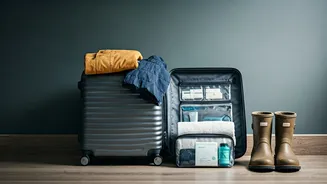
Monsoon travel often involves a quick change from rain-soaked clothes into something dry and comfortable. Compression sacks are a fantastic organisational tool for this exact scenario. You can designate specific sacks for different categories: one for clean shirts, one for bottoms, and—most importantly—one for damp or dirty laundry. Sealing your wet clothes in a dedicated sack not only contains the moisture but also isolates any odours, preventing them from contaminating the fresh items in your luggage. This system of 'packing cubes on steroids' allows you to keep your suitcase neat and hygienic, even when you're dealing with the practical messes of a rainy holiday. No more using flimsy plastic bags that leak and tear.
How to Use Them Effectively
Getting the most out of your compression sacks is easy, but a few tips can make a big difference. First, fold your clothes neatly before placing them inside; this helps minimise deep-set wrinkles and makes for a more even compression. Don't overfill the bag—leave a few inches of space from the zip-lock seal to ensure it closes properly. When sealing, run your fingers along the zip-track two or three times to guarantee it’s fully airtight. For roll-up bags, start rolling from the sealed end towards the valve, applying firm and consistent pressure. You’ll hear the air hissing out as you go. For pump-activated bags, ensure the cap is securely fastened after you’ve removed the air.
A Few Words of Caution
While incredibly useful, these sacks aren't perfect for everything. The intense compression will inevitably cause wrinkles, especially in natural fabrics like cotton and linen. They are ideal for knitwear, jackets, jeans, and socks, but you might want to pack delicate or easily creased items like formal shirts separately. Also, avoid compressing items with sharp zippers or buttons that could puncture the plastic. Finally, remember that while you're reducing volume, you're not reducing weight. Your compressed suitcase might be smaller, but it will be just as heavy—and potentially denser—so keep an eye on airline weight limits to avoid surprise fees at the check-in counter.