



Understanding the World of Fats
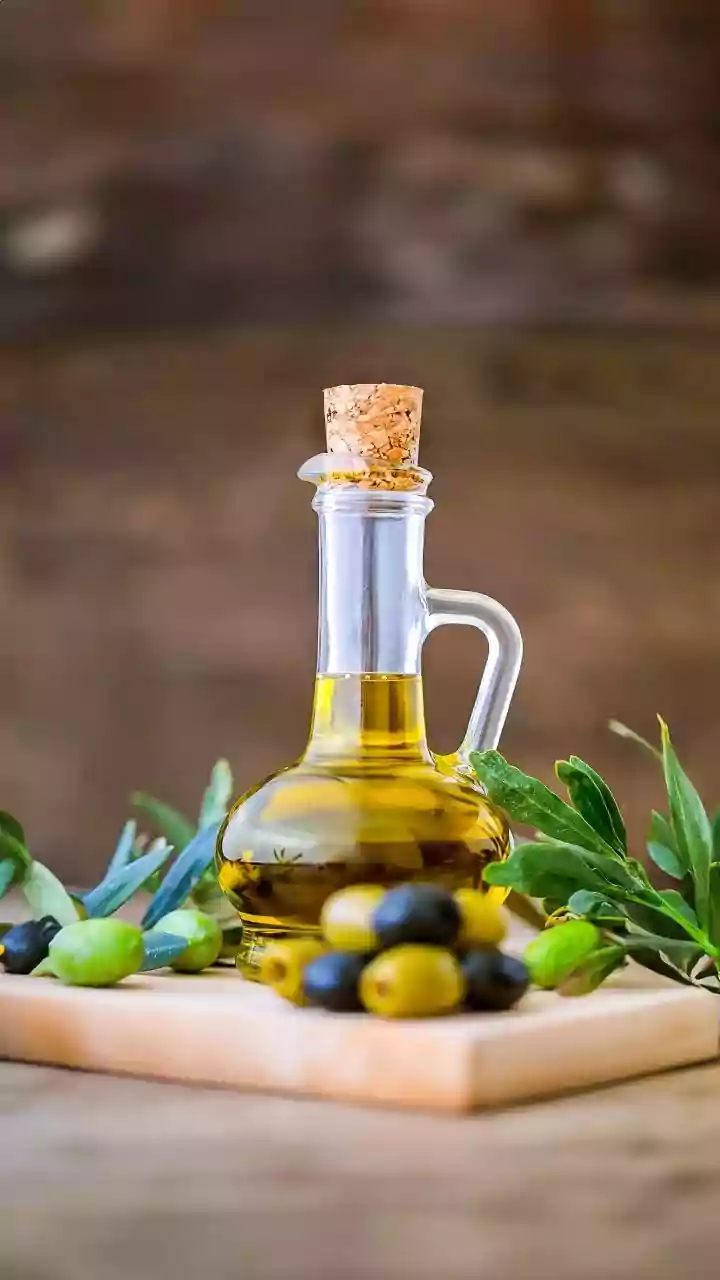
Not all fats are created equal. They fall into a few main categories, each affecting your body differently. Unsaturated fats, which are liquid at room temperature, are considered heart-healthy. These include monounsaturated fats (found in olive oil and
avocados) and polyunsaturated fats (found in sunflower oil, walnuts, and fish). They help improve cholesterol levels and reduce the risk of heart disease. On the other end are saturated fats, which are solid at room temperature. Found in butter, ghee, coconut oil, and fatty meats, these fats can raise levels of LDL, or "bad," cholesterol, which contributes to artery blockages. The most harmful are trans fats, often found in processed and deep-fried foods, which not only raise bad cholesterol but also lower HDL, or "good," cholesterol.
Why 'Bad' Fats Harm Your Heart
A diet high in saturated and trans fats poses a significant risk to your cardiovascular system. When you consume these fats, your liver may produce more LDL cholesterol. This excess LDL circulates in your blood and can stick to the inner walls of your arteries, forming plaque. This process, known as atherosclerosis, causes arteries to harden and narrow, restricting blood flow to the heart and other parts of the body. Over time, this buildup significantly increases your risk for heart disease, heart attack, and stroke. While some traditional Indian cooking fats like ghee and coconut oil are high in saturated fat, the key concern is quantity and frequency, especially when combined with other sources of fat in the diet.
The Protective Power of 'Good' Fats
Replacing unhealthy fats with healthier ones is one of the most effective dietary strategies for heart protection. Monounsaturated and polyunsaturated fats work to lower LDL cholesterol levels in the blood. Some polyunsaturated fats, like the omega-3 fatty acids found in fish and flaxseeds, offer additional anti-inflammatory benefits and help lower triglycerides, another type of fat in your blood that can increase heart disease risk. By making foods rich in these good fats a central part of your diet, you help prevent the plaque buildup that clogs arteries, keeping your cardiovascular system functioning more smoothly. This simple shift helps to maintain a healthier balance between good (HDL) and bad (LDL) cholesterol.
Practical Swap 1: Rethink Your Tadka and Tempering
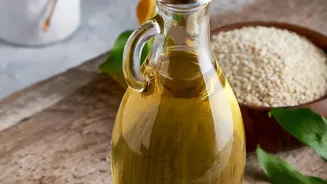
The daily tadka or tempering is a cornerstone of Indian cooking and an easy place to make a heart-healthy swap. While ghee is traditionally used for its flavour and high smoke point, it is high in saturated fat. For everyday cooking, consider using an oil rich in unsaturated fats. Mustard oil, groundnut oil, or canola oil are excellent choices that are both culturally familiar and better for your heart. Even using a smaller amount of ghee—just enough for flavour—and combining it with these healthier oils can reduce your overall saturated fat intake without sacrificing taste entirely. Save generous portions of ghee for occasional, special dishes rather than daily use.
Practical Swap 2: Choose Smarter Frying Oils
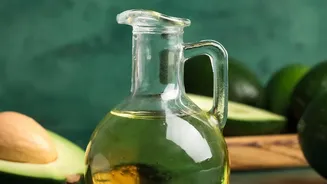
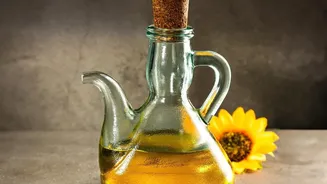
Fried foods are a popular part of many diets, but the type of oil used can make a big difference. Many commercially fried snacks and fast foods are prepared in hydrogenated oils containing harmful trans fats. Reheating oil multiple times, a common practice at home and in eateries, can also increase the concentration of these damaging fats. For sautéing and occasional frying at home, choose oils that are stable at higher temperatures but are still rich in unsaturated fats. Avocado oil, canola oil, and sunflower oil are good options. Better yet, explore cooking methods that require less oil, such as baking, grilling, or air-frying, to further reduce your intake of added fats.
The Role of Ghee and Coconut Oil
Ghee and coconut oil hold a cherished place in Indian cuisine and traditional medicine. Both are high in saturated fat, which has led to debate over their role in a heart-healthy diet. While some studies point to benefits from compounds like CLA in grass-fed ghee, the consensus among major health organizations is to limit saturated fat intake. This doesn't mean you must eliminate them completely. The key is moderation. Using one or two teaspoons of ghee per day for flavour, as part of an otherwise balanced diet rich in fruits, vegetables, and whole grains, is unlikely to harm a healthy individual. However, for those with high cholesterol or existing heart conditions, it's wise to prioritize unsaturated oils.