


The Right Backpack and Rain Protection
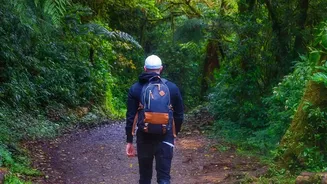
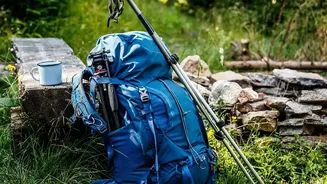
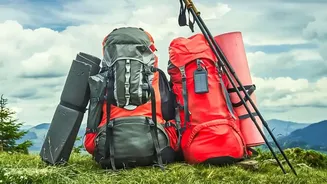
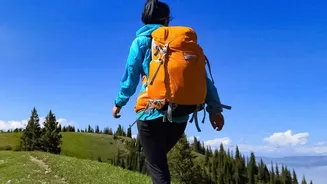
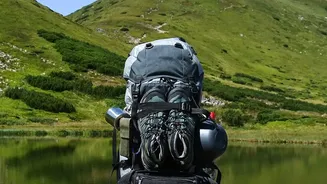
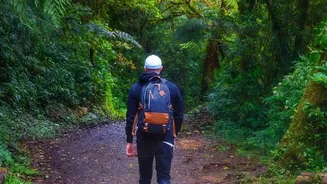
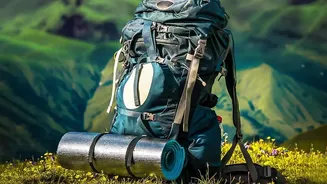
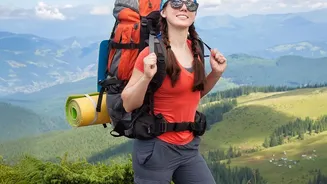
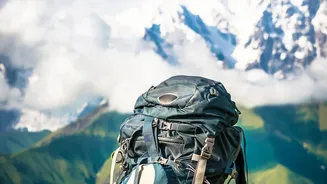
Your trek begins with the right bag. A 40-60 litre rucksack is ideal for multi-day treks. Ensure it has comfortable shoulder straps and a hip belt for support. Most importantly, it must be protected from the rain. Never rely on a backpack's 'water-resistant'
tag alone; continuous downpours will eventually seep through. A fitted, waterproof rain cover is non-negotiable. For an extra layer of security, line the inside of your backpack with a large, durable plastic bag or use smaller dry bags to compartmentalise and protect your clothes, electronics, and food. A poncho can be a great addition as it covers both you and your backpack, offering an extra shield during heavy rain.
Essential Clothing: The Quick-Dry Rule
The golden rule of monsoon trekking is to avoid cotton. Cotton absorbs moisture, becomes heavy, takes forever to dry, and can leave you feeling cold, increasing the risk of hypothermia. Instead, pack quick-dry clothing made from synthetic fabrics like polyester or nylon. Your clothing should be layered. Start with a moisture-wicking base layer (t-shirt), add a fleece jacket for warmth as a middle layer, and top it with a waterproof and windproof jacket as your outer layer. Pack at least two pairs of quick-dry trek pants; convertible pants that zip off into shorts can be very versatile. Always carry extra pairs of socks.
Footwear: Your Most Critical Gear
Good trekking shoes are perhaps the most crucial investment for a monsoon trek. Do not attempt a trek in regular sports shoes. You need waterproof trekking boots with high ankle support and deep-grooved soles for a strong grip. The trails will be slippery, muddy, and uneven, and proper footwear is your primary defence against slips, falls, and ankle injuries. It's also vital to break in your new shoes before the trek to avoid painful blisters. Along with good shoes, consider packing waterproof gaiters, which cover the gap between your pants and boots, preventing water, mud, and leeches from getting in. Speaking of leeches, carrying leech-proof socks or a small pouch of salt or sanitiser is a wise precaution for many monsoon trails.
Must-Have Safety and Health Kit
A well-stocked first-aid kit is essential. Pack it with antiseptic wipes, assorted bandages, blister tape, pain relievers, and any personal medications. Given the wet conditions, slips are common. A headlamp or torch is crucial, even on a day trek, in case you are delayed and have to navigate in the dark. Insect repellent is another must-have, as the damp environment is a breeding ground for insects. Also include rehydration salts (ORS) to replenish electrolytes lost through sweating. Keep your ID, cash, and any necessary permits in a separate waterproof pouch or ziplock bag.
Gadgets and Other Essentials
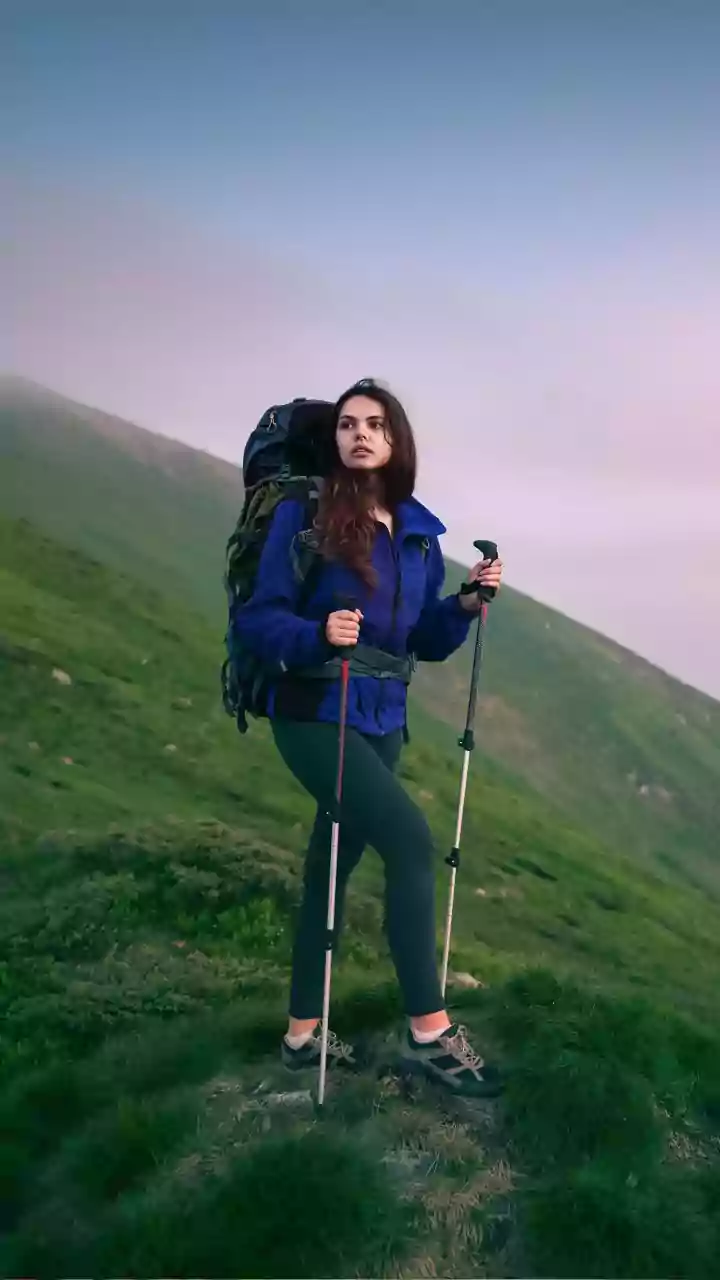
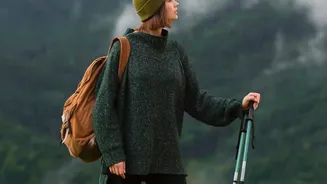
Protecting your electronics is vital. Use waterproof pouches or dry bags for your phone, camera, and power bank. A fully charged power bank is essential as you may not find charging points in remote areas. Trekking poles are highly recommended, providing extra stability and support on slippery descents and stream crossings. Pack a quick-dry towel, which is lighter and more practical than a regular cotton one. Finally, bring high-energy snacks like nuts, energy bars, and dried fruit to keep your fuel levels up between meals.