
The End of the Showroom Look
For years, the ideal Indian home often resembled a pristine furniture showroom. Sofas, chairs, and tables were purchased as a matching set, ensuring a uniform look. But today, homeowners and designers are increasingly rejecting this rigid approach. The
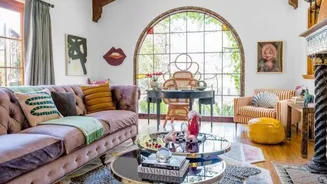
new philosophy celebrates a “lived-in” feel, where a home looks as though it has been lovingly assembled over time. This shift is away from thematic interiors that left little room for personality and towards spaces that tell a story about their inhabitants. Instead of a room where every piece matches, you might find a modern sofa paired with a vintage armchair, or a contemporary lamp sharing space with a weathered, inherited chest. The goal is no longer perfection, but personality.
Why Personal is the New Premium
Several factors are driving this change. Increased global exposure through social media and travel has made people more design-aware and confident in their own taste. The pandemic also played a significant role; spending more time indoors made many realise the importance of creating a home that is a true sanctuary, filled with objects that hold personal meaning. This trend, sometimes called “eclectic” or “maximalist,” is not about clutter but curation. It’s about having the confidence to place a modern chair next to a hundred-year-old cabinet simply because you love both. As designers point out, memories and cherished items—a travel find, a handmade ceramic bowl, a friend's painting—rarely come in matching sets. This approach allows a home to evolve with its owner.
An Indian Take on Eclectic
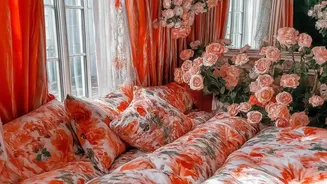
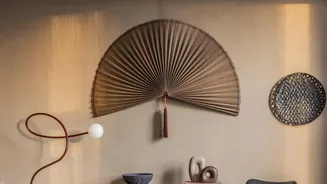
In India, this trend feels particularly natural. Indian design has a long history of embracing visual richness, craftsmanship, and layering—a philosophy some refer to as 'Indian maximalism'. The new lived-in aesthetic often involves blending contemporary furniture with traditional Indian elements. Think solid wood pieces with intricate carvings, the use of handwoven textiles like Ikat or Kalamkari for cushions and throws, and showcasing local art forms like Madhubani or Warli paintings. The inclusion of vintage finds, family heirlooms, and artisanal crafts adds depth and character that mass-produced items cannot replicate. It’s a way of honouring heritage while embracing modern life, creating a style that is uniquely Indian.
How to Create Your 'Lived-In' Look
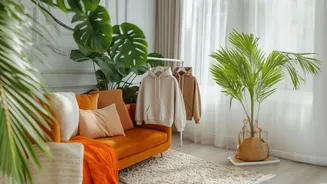
Adopting this style doesn't mean a chaotic mix of items. The key is to find a common thread to create harmony. Start by choosing a cohesive colour palette. Earthy tones like terracotta, olive green, and warm beiges are popular in India as they complement the natural light beautifully. From there, focus on mixing textures and materials. Pair a sleek metal table with a rustic wooden stool, or layer soft handloom fabrics on a modern sofa. Don’t be afraid to mix old and new; a vintage brass lamp can look stunning beside a contemporary bookshelf. The most important rule is to choose items that you genuinely love. A home filled with personal stories, whether from a family member or a local artisan, will always feel more welcoming than one designed to impress.