





The Case for a Morning Practice
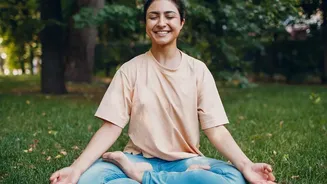
Rolling out your mat as the day begins can set a positive and energetic tone for everything that follows. A morning yoga session can help kickstart your metabolism and invigorate your body and mind. Practices like Sun Salutations are designed to stimulate
circulation and promote alertness. This early movement helps regulate your body's internal clock, which is vital for a healthy metabolism. Beyond the physical, there's a mental benefit. The quiet of the morning often means fewer distractions, making it easier to focus and turn your practice into a consistent habit. By getting your yoga in early, you avoid the risk of late-day conflicts or fatigue derailing your intentions. You start the day having already done something positive for your physical and mental well-being.
The Argument for Evening Yoga
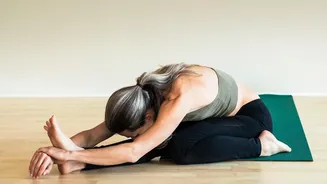
For many, an evening yoga session is the perfect antidote to a stressful day. It creates a clear transition from the demands of work to the peace of your personal time. A gentle evening practice can help release physical and mental tension accumulated throughout the day. This is beneficial for preparing your body for a restful night's sleep. In fact, studies have shown that yoga before bed can help with symptoms of insomnia by calming the nervous system. Physically, your body may be more prepared for deeper stretches in the evening. Muscles are warmer and more pliable after a day of activity, which might allow for greater flexibility. An evening practice can become a calming ritual, helping you to consciously unwind and de-stress.
Matching Your Style to Your Schedule
The type of yoga you prefer can also influence the best time to practice. More dynamic and energizing styles, such as Vinyasa, Ashtanga, or a power yoga flow, are often well-suited for the morning. They build heat, boost energy, and get you ready to face the day. Conversely, slower, more restorative styles are often ideal for the evening. Practices like Yin Yoga, which involves holding poses for longer periods, or gentle Hatha, help calm the nervous system and promote relaxation, making them perfect for a pre-sleep routine. Choosing a stimulating practice before bed might interfere with your ability to fall asleep, so it's wise to align the intensity of your yoga with the time of day and your desired outcome.
Finding What Truly Works for You
Ultimately, the most effective time to do yoga is the time you can consistently commit to. Your personal schedule, energy levels, and lifestyle are the most important factors. Some people are natural early birds who thrive on a morning routine, while others find it impossible to function before a second cup of coffee. If evenings are packed with family duties, a morning or even a midday session might be more realistic. Don't be afraid to experiment. Try practicing at different times and notice how your body and mind respond. You might find that a vigorous morning flow works for you on weekdays, while a long, gentle stretch is what you crave on a Sunday evening. The goal is to make yoga a sustainable part of your life.