







The Great Monsoon Myth: "No Sun, No Sunscreen"
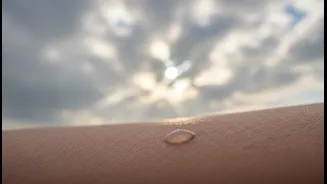
One of the most persistent skincare misconceptions is that you don't need sun protection on a cloudy day. While clouds block a lot of visible sunlight and reduce the sun's intensity, they are not a perfect shield against ultraviolet (UV) radiation. According
to the World Health Organization and other studies, up to 80% of the sun's UV rays can penetrate through cloud cover. This means that even on the greyest, most overcast monsoon days, your skin is still being exposed to harmful radiation that contributes to long-term damage. This damage is cumulative, meaning small daily exposures add up over time, leading to issues like tanning, dark spots, and premature ageing that may only become visible months later.
Understanding the Invisible Threat: UVA vs. UVB
To understand why cloudy-day protection is so important, it helps to know the two main types of UV rays that reach us: UVA and UVB. UVB rays have more energy and are the primary cause of sunburn, but their intensity is partially reduced by clouds. UVA rays, on the other hand, have a longer wavelength that allows them to penetrate clouds, glass, and deeper into your skin. UVA makes up about 95% of the UV radiation reaching Earth and is the main culprit behind premature skin ageing—like wrinkles and the breakdown of collagen. Both types contribute to the risk of skin cancer, but because UVA rays are consistently present from sunrise to sunset, regardless of the weather, they are a year-round concern.
The Humidity Factor: Why Lightweight SPF Is Your Best Friend
Comfort is one of the biggest reasons people in India skip sunscreen, especially during the humid monsoon season. A thick, creamy formula can feel heavy, sticky, and greasy when mixed with high humidity and sweat, often leading to clogged pores and breakouts. This is where the formulation of your sunscreen becomes critical. Lightweight sunscreens are designed specifically for these conditions. Look for products described as gel-based, fluid, lotion, or serum sunscreens. These formulas absorb quickly, feel breathable on the skin, and don't leave behind a heavy or sticky residue, making them comfortable enough for daily wear even in the most humid weather.
How to Choose the Right Monsoon Sunscreen
When selecting a sunscreen for the monsoon, don't just focus on the texture. There are a few key labels to look for to ensure you're getting effective protection. First, always choose a "broad-spectrum" sunscreen, which means it protects against both UVA and UVB rays. Second, opt for an SPF (Sun Protection Factor) of 30 or higher for daily use; SPF 50 is even better for the Indian climate. Finally, look for the PA rating, often shown with plus signs (e.g., PA+++ or PA++++). The PA system measures protection against UVA rays, and a higher rating is crucial for preventing tanning and pigmentation, which are common concerns for Indian skin. A water-resistant formula can also be beneficial, as it will hold up better against sweat and light rain.
Application Is Everything: Getting It Right
Even the best sunscreen won't work if it's not applied correctly. Most people use less than half the amount of sunscreen needed to achieve the SPF protection stated on the bottle. For your face and neck, a common guideline is the "three-finger rule": squeeze out lines of sunscreen along your index, middle, and ring fingers. This ensures you're applying a sufficient layer. Sunscreen should be applied every morning as the last step of your skincare routine, about 15-20 minutes before you head out. It's also important to reapply every two hours if you're outdoors, sweating, or have been in the rain. Don't forget often-missed spots like your ears, the back of your neck, and your hands.