

Why Embrace a Monsoon Escape?
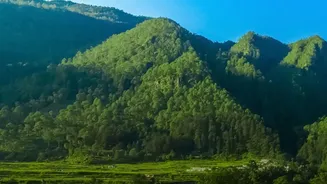
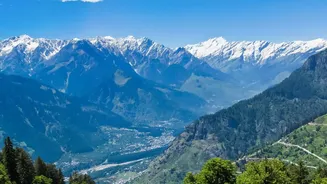
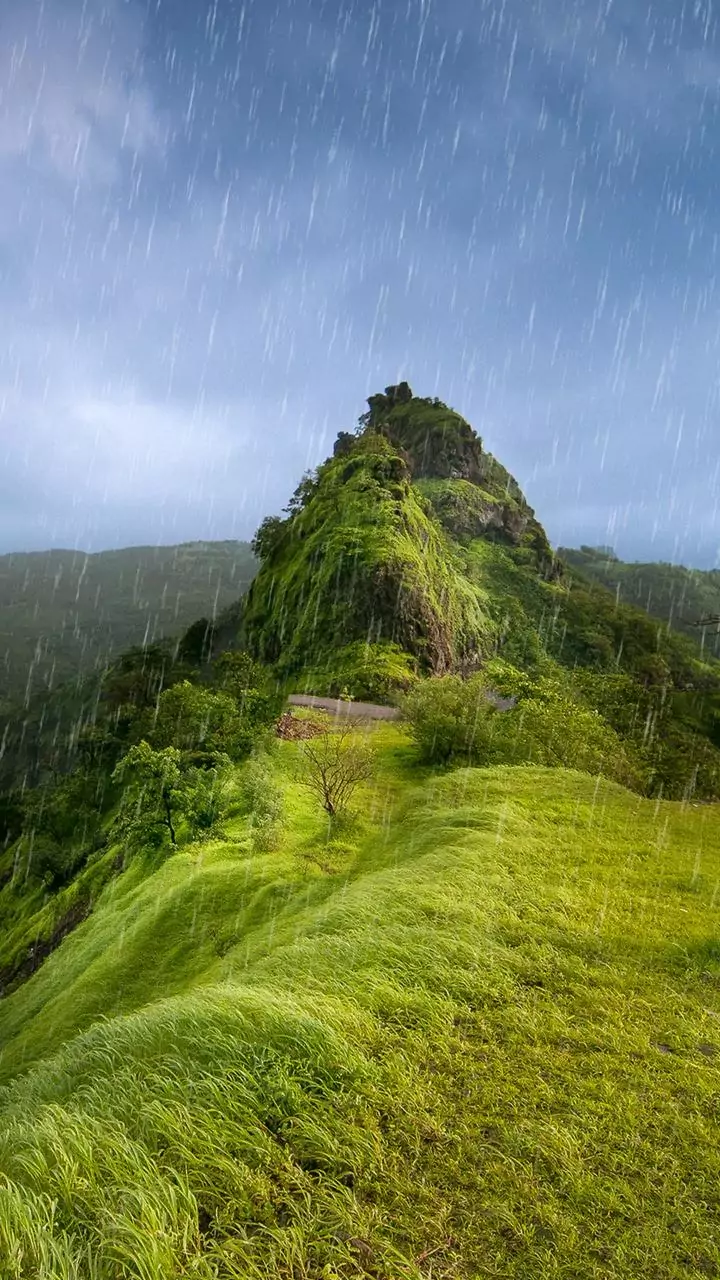
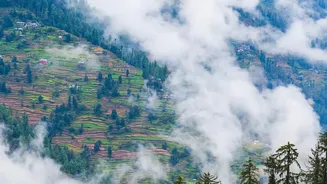
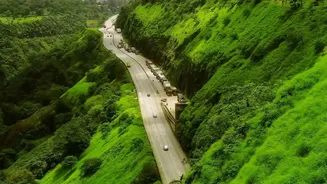
The monsoon transforms Himachal Pradesh into a vibrant green paradise. The scorching summer heat gives way to cool, misty days, and the landscape, washed clean by the rains, is at its most vivid. It is the season of solitude, where popular destinations
are less crowded, allowing for a more peaceful and intimate connection with nature. Waterfalls are at their most powerful, and the scent of wet earth and pine fills the air. For those seeking a tranquil escape from city life, the monsoon offers a unique charm, turning the valleys into a cinematic dreamscape of rolling clouds and lush greenery. However, it's a season that demands respect; always check weather advisories and road conditions before travelling, as landslides are a real risk.
Shoja: A Hamlet in the Clouds
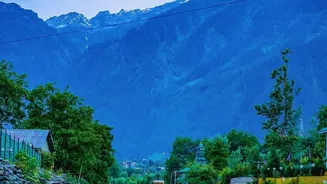
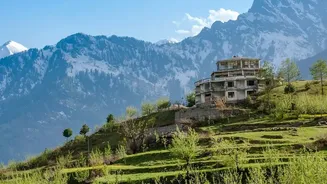
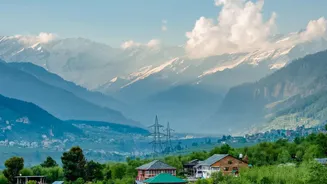
Perched at a high altitude in the Seraj Valley, Shoja is a tiny, serene village that seems to float amidst the clouds during the monsoon. It's quieter and less commercialised than its neighbours, offering a true escape. The main attraction here is the profound sense of peace and the spectacular views of the surrounding deodar forests and mist-covered valleys. Accommodation is largely composed of traditional homestays and quaint cottages, many built in the classic wood-panelled Himachali style. These stays provide a cozy refuge where you can spend hours reading by a window, sipping tea, and watching the rain paint the landscape. While the drive to the famed Jalori Pass (10,800 feet) can be treacherous and is often closed during heavy rains, shorter, safer walks through the woods are a perfect monsoon activity.
Tirthan Valley: The River’s Serenade
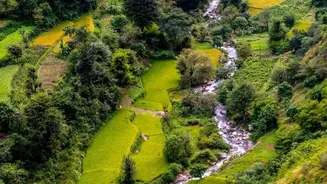
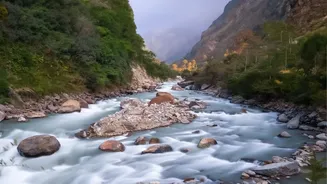
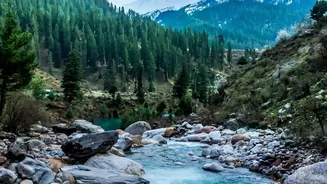
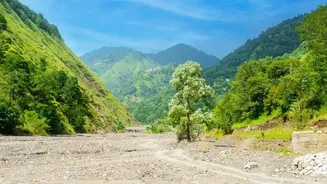
Named after the pristine Tirthan River, this valley is a designated eco-zone and the gateway to the Great Himalayan National Park, a UNESCO World Heritage Site. In the monsoon, the river swells, and the entire valley buzzes with life. Tirthan is famous for its riverside guesthouses and homestays, often traditional wooden structures that let you live right by the water's edge. Waking up to the sound of the rushing river and the sight of misty forests is an experience in itself. The valley offers a chance to immerse yourself in local culture by staying with families and enjoying delicious, home-cooked Himachali food. While long treks into the national park are not advisable during this season, the valley is perfect for shorter hikes to nearby waterfalls like Chhoie Waterfall.
Monsoon Activities: Slow and Mindful
A monsoon retreat in these valleys isn't about ticking off a long list of sights. It's about slowing down. The most popular activity is simply relaxing and enjoying the views from your stay. Short, guided walks through villages to see traditional 'kath-kuni' architecture are a great way to spend an afternoon. The valley is also a haven for birdwatchers, with many species active after the rains. Tirthan is particularly famous for trout fishing, and while the river runs fast, local guides can take you to safer spots. Cafe hopping in Jibhi, a slightly more bustling village near both Shoja and Tirthan, offers cozy corners to wait out a downpour. The key is to remain flexible and have backup plans in case heavy rain limits outdoor movement.
Essential Travel and Safety Tips
Travelling to the hills during monsoon requires careful planning. Always check the IMD weather forecast and local news for travel advisories regarding rainfall and road closures, as orange or red alerts are common. Roads, especially the final stretches to Shoja and Tirthan, are prone to landslides. It's wise to hire a local driver experienced with these routes. Pack waterproof jackets, quick-drying clothes, and shoes with excellent grip. Carry a basic medical kit, a power bank, and some dry snacks in case of delays. Most importantly, avoid camping too close to rivers, which can swell unexpectedly, and respect all local safety warnings. If conditions seem unsafe, it's always better to postpone a part of your journey than to take a risk.