






The Unwanted Guest: Why Mould Loves Your Home
Mould is a type of fungus, and its spores are almost always present in the air. They only become a problem when they land on a wet surface and begin to grow. For mould to thrive, it needs three key things: moisture, a food source, and a suitable temperature.
After a downpour, especially during the Indian monsoon, our homes provide the perfect breeding ground. Moisture seeps into walls and furnishings, while common building materials like wood, drywall, and even the dust on surfaces provide an ample food supply. In the warmth that follows a rainstorm, mould can begin to grow in as little as 24 to 48 hours.
Spotting the Signs: Is It Mould?
The most obvious sign of mould is seeing it—fuzzy or slimy patches of green, black, or white appearing on walls, ceilings, or furniture. But often, the first clue is your nose. A persistent earthy, musty smell, sometimes like decaying wood or wet socks, is a strong indicator of hidden mould. You might find it in bathrooms, under sinks, in wardrobes with poor ventilation, or near leaky window frames. Pay attention to your body, too. For many, mould exposure can trigger allergic reactions like a stuffy nose, itchy eyes, coughing, or skin rashes. People with asthma may experience more severe symptoms.
Your Cleanup Plan: Removing Mould Safely
For small areas of mould (less than 10 square feet), you can typically handle the cleanup yourself. First, protect yourself by wearing gloves, goggles, and a mask to avoid inhaling spores. On hard, non-porous surfaces like tile or glass, scrub the mould away with detergent and water, then dry the area completely. Never just paint or caulk over mould, as it will likely continue to grow underneath and cause the paint to peel. For porous materials like drywall or carpet, removal and replacement might be necessary if the mould has penetrated deeply. A solution of white vinegar can be effective due to its acidity, which kills many common types of mould. Complete drying is the most critical step; a fan or dehumidifier can help accelerate the process.
When to Call for Professional Help
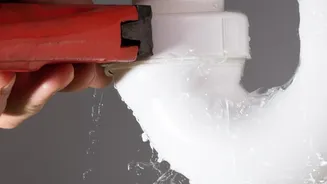
Some mould problems are too big or too risky to tackle on your own. You should call a professional mould remediation service if the affected area is larger than 10 square feet. Other red flags include mould reappearing after you've cleaned it, which suggests a deeper, hidden source. If you suspect mould in your heating, ventilation, or air conditioning (HVAC) system, do not run it and call an expert immediately, as it can spread spores throughout your entire home. Finally, if the mould growth is the result of significant water damage from flooding or contaminated sewage water, professional intervention is essential for safe and thorough removal.
Prevention Is Key: Keeping Your Home Dry
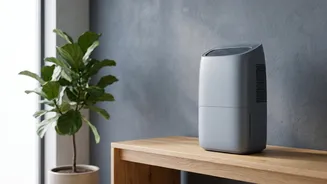
The long-term solution to mould is moisture control. During and after the monsoon season, focus on reducing indoor humidity. Use exhaust fans in kitchens and bathrooms to vent moisture outside. If your home feels persistently damp, a dehumidifier is an excellent investment to keep humidity levels below 60%. Ensure good air circulation by opening windows when the weather is dry and using fans. Avoid placing large furniture directly against walls, as this can trap moisture. Promptly fix any leaks in your roof, pipes, or walls. In enclosed spaces like wardrobes, use moisture absorbers like silica gel packs to keep clothes and linens dry and mould-free.