





Packaged drinking water is a staple of modern life in India, trusted for its convenience and perceived purity. But have you ever wondered what ensures the water inside the bottle is truly safe from invisible chemical residues? Let's explore.
The Unseen Risks in a Sealed Bottle
The convenience
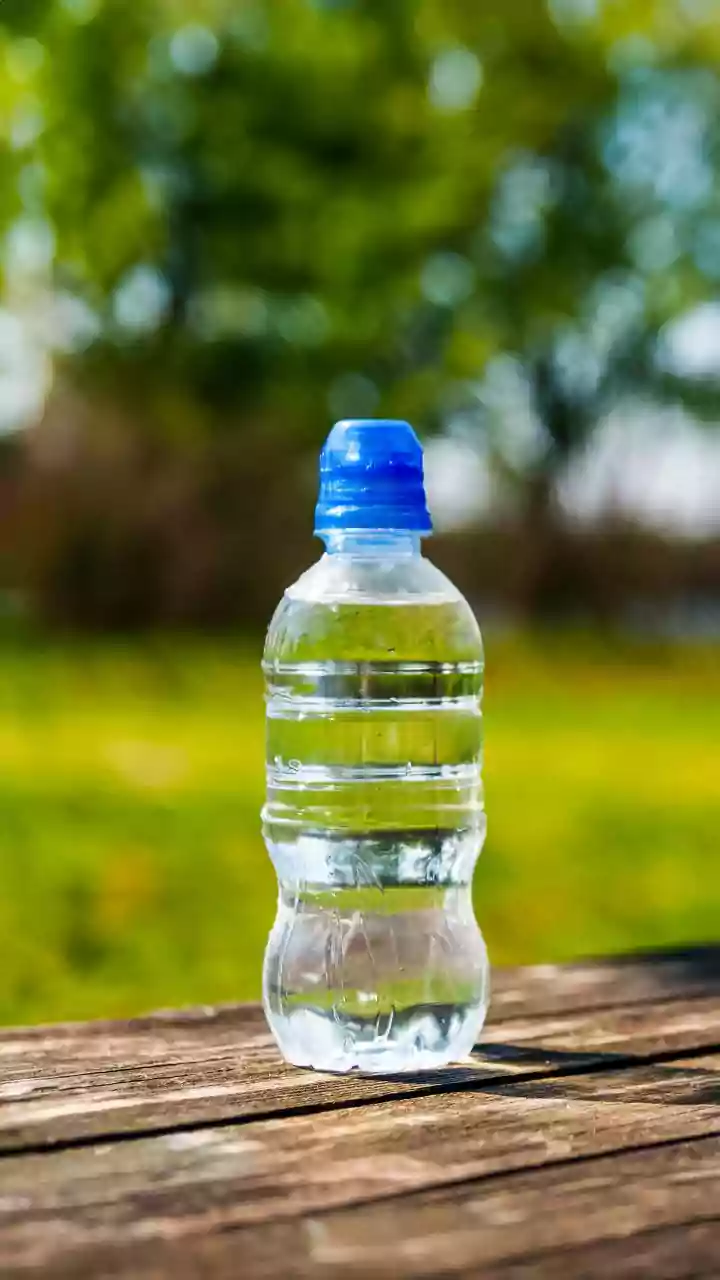
of grabbing a bottle of water comes with a question: what else might be in it besides water? The concern isn't just about what’s filtered out, but what might get in from the packaging itself. Most water bottles in India are made from polyethylene terephthalate (PET). While considered safe, studies show that under certain conditions, chemicals can 'leach' or migrate from the plastic into the water. One such chemical is antimony, a substance used during the manufacturing of PET plastic. While levels are typically low, exposure to heat—like leaving a bottle in a hot car or in direct sunlight—can increase the rate of leaching. Besides antimony, other compounds, sometimes called non-intentionally added substances (NIAS), can also be present from the manufacturing and recycling process. These potential contaminants are why a robust system of purification and regulation is essential.
A Multi-Step Purification Gauntlet
Before water ever reaches the bottle, it undergoes a rigorous, multi-stage purification process designed to eliminate physical, biological, and chemical contaminants. The journey typically begins with sand filtration to remove large particles. Next, an activated carbon filter tackles organic contaminants, pesticides, and compounds that cause bad taste or odour. The core of the process for most 'packaged drinking water' is reverse osmosis (RO), a method that uses a fine membrane to remove dissolved solids, heavy metals, and other impurities. Following RO, the water is often disinfected to kill any remaining microorganisms. Two common methods are ultraviolet (UV) treatment, which scrambles the DNA of microbes, and ozonation, where ozone gas acts as a powerful disinfecting agent. Some processes may also involve remineralisation to add back beneficial minerals like calcium and magnesium for better taste.
How FSSAI Regulations Protect Consumers
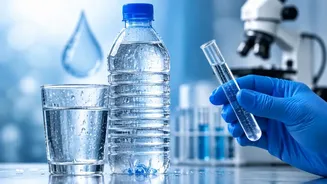
In India, the Food Safety and Standards Authority of India (FSSAI) is the principal body overseeing the safety of packaged water. Packaged drinking water is classified as a 'high-risk food' product. This designation doesn't mean the water is inherently dangerous; rather, it means manufacturers are subject to stricter scrutiny to prevent risks. This includes mandatory inspections before a license is granted and annual inspections thereafter. Since January 2026, FSSAI has enforced a compulsory testing scheme. This requires manufacturers to regularly test their water at FSSAI-notified, NABL-accredited labs for a range of parameters, including microbiological contaminants (monthly), chemicals (quarterly), and pesticide residues (every six months). These strict protocols are designed to ensure the final product that reaches you is safe and complies with national standards.
The Standard That Sets the Bar: IS 14543
The technical benchmark for quality that manufacturers follow is the Bureau of Indian Standards (BIS) specification IS 14543. This standard outlines the specific limits for various chemical and microbiological contaminants, from heavy metals like lead and arsenic to organic compounds. While FSSAI removed the mandatory requirement for the BIS (ISI) mark on labels in late 2024, replacing it with its own comprehensive testing scheme, IS 14543 remains the key reference standard for quality. FSSAI's regulations ensure that the principles and limits defined in IS 14543 are adhered to through a continuous cycle of testing and verification, creating a layered safety net for consumers. It's crucial to distinguish this from natural mineral water, which is governed by a different standard, IS 13428.
Your Role as a Smart Consumer
While regulators and manufacturers have robust systems in place, consumers also play a vital role in ensuring water safety. The first step is to always check the packaging. Look for the FSSAI logo and the 14-digit license number, which can be verified on the FSSAI website. Ensure the bottle's seal is intact and not tampered with. Check the manufacturing and 'best before' dates. Avoid buying bottles that are damaged, appear dirty, or have been stored improperly. Storing water bottles in a cool, dark place away from direct sunlight is crucial, as heat can accelerate the leaching of chemicals from the plastic into the water. Finally, many labels now carry a message like 'CRUSH THE BOTTLE AFTER USE' to discourage unsanitary refilling and resale.