






From Fine Print to Viral Post
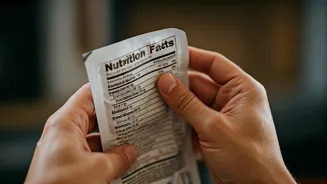
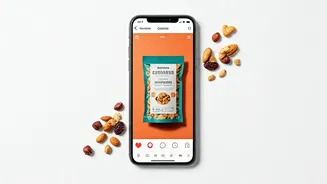
The humble ingredients list has officially become content. On platforms like Instagram and YouTube, a new wave of health-conscious influencers and everyday consumers are turning their phone cameras towards the back of the packet. Videos decoding long
lists of unpronounceable chemicals, questioning bold health claims like 'baked, not fried,' and comparing the sugar content in popular drinks are going viral. This isn't just about niche health communities anymore; it's a mainstream movement. Campaigns like 'Label Padhega India' are encouraging millions to scrutinize what they consume, turning a mundane trip to the kirana store into an act of investigation. This digital chatter signifies a major shift: consumers are no longer passive recipients of marketing messages but active, and often critical, participants in the conversation about their food.
More Than Just Counting Calories
So, what's driving this collective deep-dive into snack labels? The conversation has moved far beyond simple calorie counting. There's a rapidly growing awareness and concern around ultra-processed foods (UPFs)—industrial formulations high in fat, sugar, and salt that are linked to a rise in non-communicable diseases. Studies show Indian consumers are increasingly prioritising health and safety, with a desire for natural, additive-free products. A 2024 report found that 73% of Indians now read ingredient lists before buying snacks, with 93% of those readers wanting to switch to healthier options. This has been fueled by health advocates and 'food pharmers' online who expose misleading claims and break down complex nutritional information, empowering their followers to make more informed choices. The demand for transparency is loud and clear, with a majority of consumers wanting brands to be honest about what's in their products.
The Push for Clearer Rules
This public scrutiny is happening alongside a major regulatory conversation. For years, the Food Safety and Standards Authority of India (FSSAI) has been deliberating the implementation of Front-of-Pack Labelling (FOPL). The goal is to place simple, easy-to-understand information—like star ratings or warning symbols—on the front of packages to give consumers a quick snapshot of a product's health profile. Public health experts argue that the current back-of-pack labels are often confusing, with small fonts and technical jargon. The debate over the best format is ongoing, but the Supreme Court has also urged FSSAI to expedite the process, highlighting the citizen's right to health. This regulatory push, combined with consumer activism, is creating a pincer movement aimed at forcing greater clarity and honesty from the food industry.
Brands in the Hot Seat
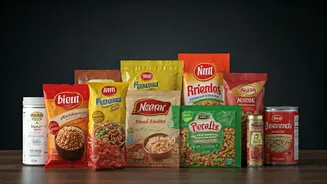
With their labels being publicly audited in the 'group chat' of social media, brands are finding themselves in a tough spot. Some have faced significant backlash for what consumers see as 'health-washing'—using appealing words like 'natural' or 'healthy' on products high in sugar or preservatives. The activism is having a real-world impact; following online criticism, some major companies have announced recipe changes to reduce sugar or switched to different ingredients. This new dynamic means brands can no longer rely on big marketing budgets and celebrity endorsements alone. They are being held accountable in real-time. The rise of clean-label snacks, made with simple and natural ingredients, shows that some companies see this shift as an opportunity. They are responding to the demand for transparency, recognising that in this new era, consumer trust is earned not just with a catchy tagline, but with an honest ingredients list.