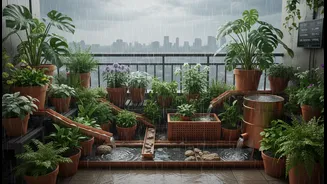






Start with Superior Drainage
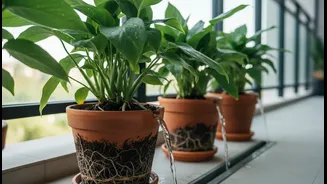
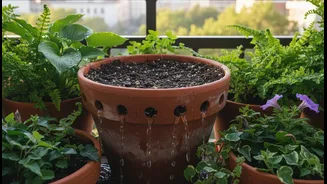
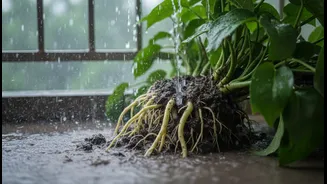
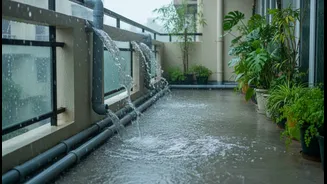
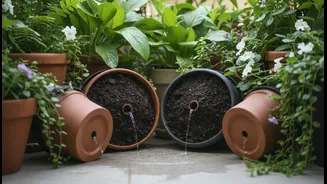
The single most important factor during the monsoon is ensuring excess water can escape. Heavy rains can quickly saturate soil, and if water has nowhere to go, it will suffocate your plant's roots. Before the season begins, check every pot to ensure its
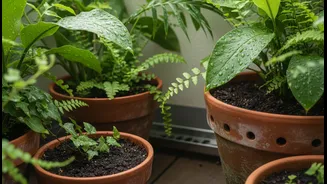
drainage holes are clear of compacted soil or old roots. If a pot has only one small hole, consider carefully drilling a few more. For plants that are particularly sensitive to wet conditions, terracotta pots are an excellent choice as their porous nature allows excess moisture to evaporate through the sides. Avoid keeping saucers under pots during this season, as they tend to collect water, leaving the plant's roots submerged.
Elevate Your Plants
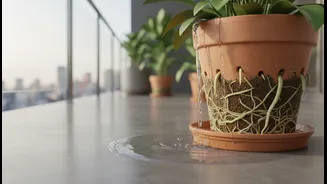
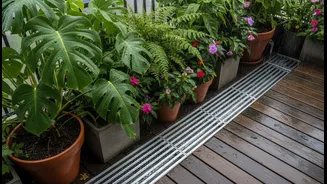
Getting your pots off the ground is a simple yet incredibly effective strategy. Placing pots directly on the balcony floor can block drainage holes, creating a seal that traps water. Elevating them, even by just a few centimetres, allows air to circulate underneath and ensures water can drain freely. You don't need fancy equipment; simple solutions like placing pots on bricks, wooden blocks, or specially designed 'pot feet' work perfectly. This small lift prevents the pot from sitting in a puddle of its own runoff, dramatically reducing the risk of root rot.
Rethink Your Potting Mix
Standard garden soil is often too dense for containers and becomes a heavy, muddy mess during the monsoon. A well-draining potting mix is crucial for container gardening, especially in rainy weather. Create a lighter, more aerated mix by combining your regular potting soil with materials like cocopeat, perlite, or coarse river sand. These additives create air pockets in the soil, which helps excess water drain away faster and allows the roots to breathe. Avoid fine construction sand, which can compact when wet and make drainage problems worse. A good ratio to aim for is roughly one-third of these lighter materials in your overall mix.
Master the Art of Monsoon Watering
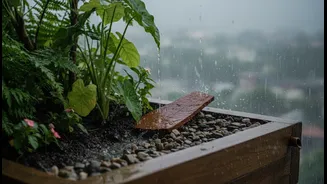
It might seem counterintuitive, but you still need to monitor your plants' water needs during the monsoon. Plants located under a roof overhang might not receive any rainwater at all. For those exposed to the rain, the key is to avoid overwatering manually. Don't stick to a fixed schedule. Always check the soil first. A good rule of thumb is the finger test: insert your finger two inches into the soil. If it feels dry at that depth, it's time to water; if it's moist, let the rain do the work. When you do water, aim for the soil at the base of the plant, not the leaves, to help prevent fungal diseases which thrive in humid conditions.
Provide Shelter from the Storm
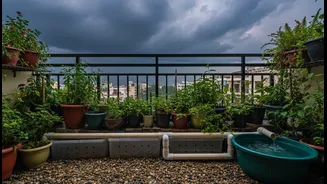
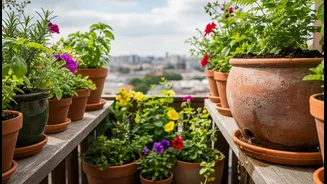
While most plants enjoy a good shower, the force of a heavy monsoon downpour can damage delicate foliage and flowers. For smaller, more sensitive plants, consider moving them to a more sheltered spot during periods of intense rain, such as closer to a wall or under an overhang. If moving them isn't practical, you can create temporary shields. A simple transparent plastic sheet, angled to divert the heaviest rain while still allowing light through, can be a lifesaver for vulnerable species. Grouping plants together can also provide some mutual protection from wind and driving rain.
Consider Smart Systems for Control
For the tech-savvy gardener or those with many plants, smart irrigation systems can offer precision control. While often associated with dry weather, a drip irrigation system can be invaluable during the monsoon too. By delivering a controlled amount of water directly to the roots, it ensures that even plants sheltered from the rain receive exactly the moisture they need without any guesswork. Systems with timers and soil moisture sensors can be programmed to only activate when the soil is actually dry, preventing accidental overwatering and adapting automatically to the weather.