








Secure Your Spot: Registration is Mandatory
The first and most critical step is to register for the Yatra. The Shri Amarnathji Shrine Board (SASB) manages a strict registration process that operates on a first-come, first-served basis. For the 2026 Yatra, which commenced on July 3rd, registration opened
in April. You can register online through the official SASB website (jksasb.nic.in) or offline at designated bank branches. Recent advisories from the Jammu and Kashmir administration emphasise that unregistered pilgrims will not be allowed to proceed, so do not attempt the journey without a valid Yatra Permit for your specified date. Daily pilgrim numbers are capped, so booking in advance is crucial. Every registered pilgrim is also issued a mandatory RFID card for tracking and safety, which must be worn at all times.
Health First: Fitness and Medical Certification
The trek to the Amarnath cave, situated at an altitude of 3,888 metres (12,756 feet), is physically demanding. To ensure pilgrim safety, a Compulsory Health Certificate (CHC) from an authorised doctor or hospital is non-negotiable. For the 2026 Yatra, the CHC must have been issued on or after April 8, 2026. There are strict age limits: the Yatra is open only to those between 13 and 70 years old. Women who are more than six weeks pregnant are not permitted to undertake the journey. It is highly advisable to prepare your body by walking 4-5 kilometres daily and practising deep-breathing exercises for at least a month before your travel date.
Choose Your Path: Pahalgam vs. Baltal
Pilgrims can reach the holy cave via two distinct routes: the traditional Pahalgam route and the shorter Baltal route. The Pahalgam route is longer, spanning 36-48 kilometres over 3-5 days. Its gradual incline makes it more suitable for first-timers, families, and those who wish to soak in the scenic beauty. The Baltal route is much shorter at approximately 14 kilometres but is very steep and can be completed in 1-2 days. This path is preferred by fitter pilgrims who are short on time. Your choice of route must be declared during registration and will be printed on your permit.
Pack Smart: Essentials for the High Altitude
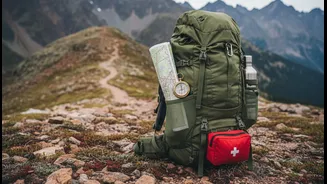
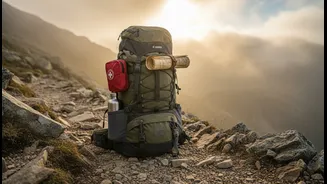
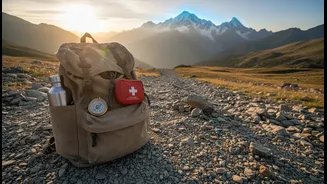
Packing appropriately is key to a comfortable and safe Yatra. The weather in the Himalayas is unpredictable, with sub-zero temperatures possible even in summer. Layering is the best strategy. Your packing list must include warm woollens, thermal innerwear, a waterproof jacket, and a raincoat or poncho. Sturdy trekking shoes with good grip are an absolute must; do not wear new shoes. Other essentials include a torch with extra batteries, a first-aid kit with personal medications, sunscreen, sunglasses, and a waterproof bag to keep your belongings dry. Carry energy-giving snacks like dry fruits and chocolates, and stay hydrated by drinking plenty of water. Cash is also important, as ATMs are scarce beyond the base camps.
On the Trail: Safety and Conduct
During the Yatra, always follow the official guidelines and instructions from security personnel. Stick to the designated routes and travel in a group. Do not attempt any shortcuts. Acclimatise properly to the high altitude by taking adequate rest. If you experience symptoms of altitude sickness, such as dizziness or breathlessness, immediately contact the nearest medical post—they are available every couple of kilometres. Respect the environment by not littering; plastic is banned on the route. Maintain the spiritual sanctity of the pilgrimage. This journey is a test of both physical endurance and faith, and being well-prepared is the best way to ensure it is a memorable one.