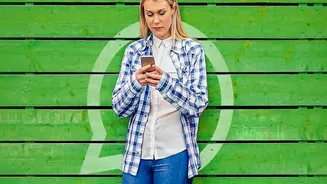

In Brazil’s 2018 election, WhatsApp was the right's undisputed weapon. But for his 2022 comeback, Luiz Inácio Lula da Silva’s campaign didn’t just neutralize this threat—they turned the platform into their own greatest digital asset.
The Ghost of Elections Past
To understand the
significance of WhatsApp in Luiz Inácio Lula da Silva's 2022 victory, one must first look back to 2018. That year, Jair Bolsonaro's campaign executed a masterful digital strategy where WhatsApp was the main artery. His camp allegedly used the platform to pump out a torrent of disinformation and polarizing content, creating a powerful echo chamber that his opponents could not penetrate. With its encrypted, private nature and the trust inherent in messages shared by friends and family, WhatsApp became a fertile ground for 'fake news' that proved incredibly effective. For many, Bolsonaro's 2018 win cemented the idea that WhatsApp was a tool best suited for populist, right-wing movements, leaving progressive and leftist campaigns struggling to find a foothold in the digital battleground. This history set the stage for 2022, creating a clear challenge for Lula: how to win in an arena that had so thoroughly defeated his party before.
Flipping the Digital Script
After a disappointing first-round result in 2022, Lula's campaign knew it had to overhaul its digital strategy, which had been described as lackluster. Instead of trying to replicate the top-down, mass-messaging tactics of their opponents, they chose a different path. The new strategy was spearheaded by Congressman André Janones, a social media-savvy politician who dropped his own presidential bid to endorse Lula. He argued the campaign needed to be more aggressive and coordinated online. The centerpiece of this pivot was a WhatsApp channel called 'Exército do Lula', or 'Lula's Army'. Rather than spreading disinformation, its purpose was to create a highly motivated and organized digital volunteer network focused on positive messaging, rapid response, and organic engagement. This represented a fundamental shift from fighting fire with fire to building a completely different kind of fire department.
An Army of Digital Soldiers
The growth of 'Lula's Army' was explosive. After the first round of voting, the WhatsApp channel had around 60,000 followers; by the run-off election day, it had swelled to nearly 11 million. Janones, whom Lula later called 'our general', acted as a digital commander, issuing daily 'missions' to his followers. These tasks were simple: share a specific campaign video, promote a hashtag, recruit three friends to the channel, or even run Google searches for certain terms to influence search trends. The messages from Janones were urgent and direct, often written in all caps, fostering a sense of collective purpose and action. Unlike the shadowy, often automated networks of 2018, this was a transparent, grassroots effort to 'tame the algorithm' and amplify the campaign’s reach. Lula himself, previously averse to personal tech, even got his first smartphone and began recording selfie-style videos to speak directly to this digital army, further boosting morale and engagement.
Neutralizing the Disinformation Machine
A key part of the strategy was not just to spread pro-Lula content but also to actively combat the disinformation that was an inevitable part of the campaign. The organized nature of 'Lula's Army' allowed the campaign to quickly debunk false stories and coordinate responses within their vast network. While experts note it's difficult to measure the precise impact of any single campaign tactic, the effort was seen as crucial in a razor-thin election. The strategy effectively connected digital organizing with grassroots, ontheground mobilization, energizing supporters and encouraging higher voter turnout. By building their own robust communication channel, Lula's campaign was no longer solely on the defensive against 'fake news'. They had a proactive tool to control their own narrative and insulate their supporters from the opposition's digital attacks. A factchecking agency's review of over 700 messages from the channel found no misinformation about the opposing candidate.