


Irfan Pathan
When Irfan Pathan burst onto the scene, he was hailed as the answer to India's long search for a genuine pace-bowling all-rounder. With his magical swing and more-than-capable batting, he drew comparisons to the legendary Kapil Dev. His hat-trick in the first
over of a Test match against Pakistan remains iconic. However, a combination of recurring back injuries and ill-advised tinkering with his bowling action led to a dramatic loss of pace and his signature swing. Despite several comeback attempts, he was never able to consistently replicate the form that made him one of the world's most exciting young cricketers, and his international career fizzled out far sooner than anyone expected.
Munaf Patel
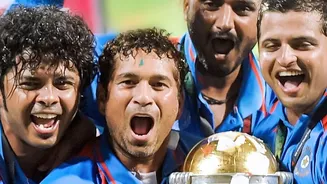
Munaf Patel was a rare find: a genuine express pace bowler from a small town in Gujarat who could consistently clock speeds over 140 kph. He was an integral, if often unsung, hero of India's 2011 World Cup victory, providing crucial breakthroughs. But the strain of bowling at such high speeds took its toll. A series of injuries, including a significant ankle injury in 2011, forced him to sacrifice his raw pace for a more conservative line-and-length approach. While this transformation allowed him to remain effective for a time, he lost the X-factor that made him so special. The injuries hampered his consistency and eventually led to his exit from the national team, leaving fans to wonder what a fully fit Munaf could have achieved.
Lakshmipathy Balaji
With an infectious smile and a quirky, effective bowling action, Lakshmipathy Balaji was a fan favourite during his time with the Indian team in the early 2000s. He became a key part of the pace attack, troubling batsmen with his seam movement and aggression. His career was on a sharp upward trajectory until a severe stress fracture in his back sidelined him for nearly three years. The injury, which required major surgery, was career-threatening. While he showcased immense resilience to make a comeback, particularly in the shorter formats like the IPL, he never fully regained the rhythm and pace required for the rigours of Test cricket, cutting his promising red-ball career short after just eight matches.
Manoj Tiwary
Manoj Tiwary's career is a frustrating tale of talent versus terrible luck. A gifted and aggressive middle-order batsman from Bengal, he consistently scored heavily in domestic cricket. However, his international journey was plagued by an astonishingly cruel series of untimely injuries. On the very eve of his expected debut in 2007, a shoulder injury ruled him out. This became a recurring theme; whenever he was on the cusp of a breakthrough or had earned a recall, a freak injury—to his shoulder, knee, or hand—would strike. After scoring his maiden ODI century, he was inexplicably made to wait for his next chance. The constant cycle of injury, rehab, and fighting for his place back in a competitive Indian side meant he played only 12 ODIs, a fraction of what his talent warranted.
Vinod Kambli
While Vinod Kambli's career decline is often attributed to off-field issues, injuries played a significant and often overlooked role. He had one of the most explosive starts to a Test career imaginable, becoming the fastest Indian to reach 1000 Test runs. For a brief period, his talent seemed to rival that of his childhood friend, Sachin Tendulkar. However, his form dipped, and his career was punctuated by periods on the sideline. A horrific ankle injury in the late 90s, which required extensive rehab, came at a critical time when he was attempting to re-establish himself in the one-day side. This, combined with other fitness concerns, robbed him of momentum and made his path back to the highly competitive national team an uphill battle he could never quite win.