




A Season Steeped in Memory
There's a unique magic to the Indian monsoon that goes beyond the relief from summer heat. It's a season that stirs the senses and, with them, deep-seated memories. The scent of wet earth, the rhythmic drumming of rain, and the cool breeze all conspire
to evoke a powerful sense of nostalgia. Psychologically, our brains are wired to connect scents and tastes with past emotions and experiences. This is why the monsoon often triggers a specific kind of hunger—not just for food, but for comfort. We yearn for dishes that made us feel safe and cared for in our childhood, turning a simple meal into an emotional journey back in time.
The Comfort of a Bowl
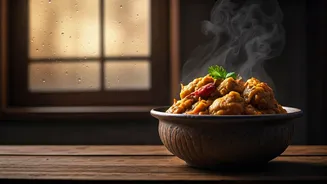
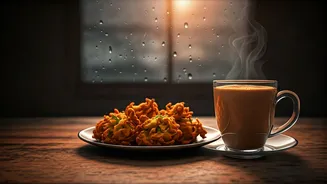
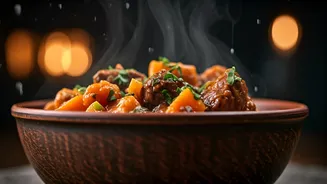
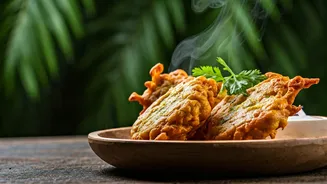
While monsoon cravings span a wide range of foods, from crispy pakoras to roasted bhutta, there is a special comfort reserved for meals served in a bowl. Unlike a plate, which presents food as a landscape, a bowl offers an embrace. Cupping your hands around a warm bowl is a tactile, grounding experience. It’s perfect for the one-pot meals that define rainy-day eating: soupy, nourishing, and easy to eat while curled up on a sofa. Dishes like khichdi, dal, rasam, and even a simple noodle soup feel right at home in a bowl, allowing flavours to meld together into a single, satisfying experience. The act of eating from a bowl is inherently personal and informal, letting you ditch complex cutlery for a simple spoon.
Khichdi: The Ultimate Nostalgic Bowl
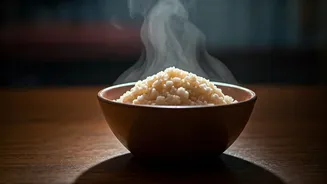
If one dish were to personify monsoon comfort, it would be khichdi. This humble mix of rice and lentils is a cornerstone of Indian culinary tradition, with roots stretching back centuries. In many households, especially in regions like Bengal, the first sign of a downpour is a signal to put a pot of khichuri on the stove. It's a practical meal for a day when markets might be inaccessible, made from pantry staples. But its significance is far more profound. Khichdi is often the first solid food given to babies and the prescribed meal during illness, cementing its identity as a dish of nurture and healing. Served steaming hot with a dollop of ghee, it’s not just food; it’s a symbol of home, simplicity, and well-being that resonates across generations.
The Personal Touch of Handmade Pottery
Elevating the nostalgic dining experience is a growing trend of moving away from mass-produced dinnerware to something more personal and unique. An increasing number of people in India are choosing handmade ceramic, kansa (bronze), or earthenware bowls. This shift is part of a larger movement towards mindful consumption and appreciating artistry in everyday objects. Eating khichdi from a hand-thrown ceramic bowl that has subtle imperfections, or a traditional kansa bowl passed down through the family, adds another layer of meaning to the meal. These objects tell a story, connecting us to the artisan who made them or the generations who used them before. It transforms a routine act into a deliberate ritual, making the comfort feel deeper and more authentic.