

Mint (Pudina): The Tireless Flavour Factory
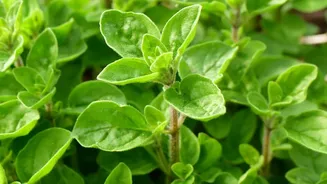
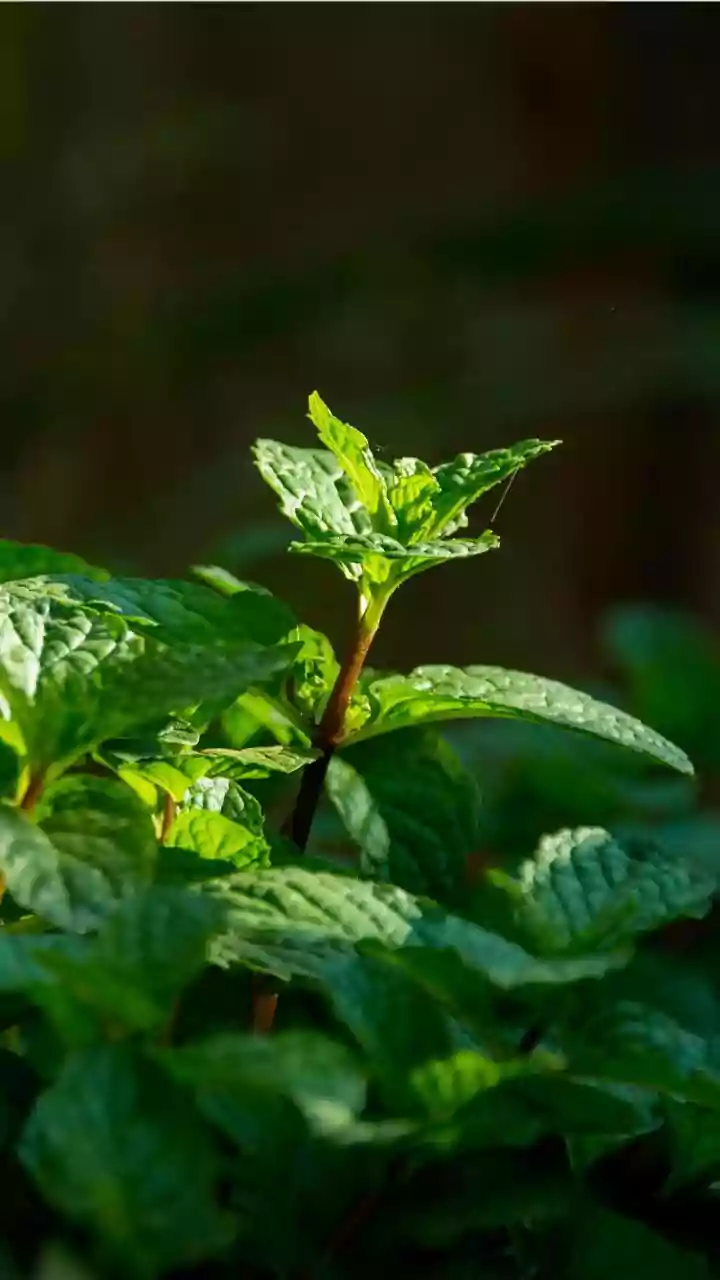
Mint is perhaps the most forgiving and enthusiastic herb for a beginner gardener. Known for its vigorous growth, it's a plant that almost wants to succeed. Its refreshing leaves are a staple in Indian kitchens, perfect for everything from chutneys and raitas
to cooling summer drinks. Mint thrives in pots, which is ideal because it prevents this fast-spreading herb from taking over. It prefers moist soil and can tolerate partial shade, making it adaptable to various balcony conditions. Plant a single cutting in a pot at least 8-10 inches deep, water it regularly, and it will quickly reward you with a continuous supply of aromatic leaves. Its resilience means it bounces back quickly from harvesting.
Holy Basil (Tulsi): The Sacred and Sturdy Staple
A fixture in many Indian households for both spiritual and medicinal reasons, Tulsi is also an incredibly hardy plant. It is well-suited to the Indian climate and can thrive in a pot with minimal fuss. Tulsi requires at least 4-6 hours of sunlight to flourish, so a sunny spot on your balcony is ideal. It is known for its ability to repel pests, which helps protect not only itself but also neighbouring plants. Use a well-draining soil mix and water it when the topsoil feels dry. Beyond its uses in teas and remedies, the presence of a healthy Tulsi plant adds a wonderful aroma to your home. Regular pinching of its flowers encourages the plant to grow bushier, yielding more leaves.
Coriander (Dhania): The Quick-Growing Garnish
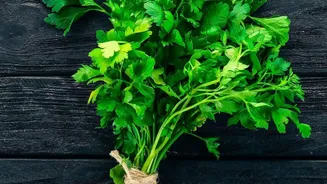
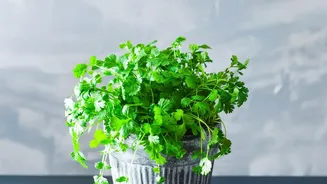
No Indian kitchen is complete without fresh coriander, and growing it is easier than you might think. While it can be sensitive to extreme heat, which causes it to 'bolt' or flower prematurely, you can ensure a steady supply by planting seeds every few weeks. Coriander grows best in the cooler months but can be managed in a partially shaded spot during summer. It needs at least 4-5 hours of sunlight and consistently moist soil. Harvest the outer leaves first, allowing the centre of the plant to continue producing new growth. This quick-growing herb means you can go from seed to garnish in just a few weeks, enjoying the unparalleled taste of freshly plucked dhania in your dals and curries.
Lemongrass: The Aromatic and Low-Fuss Giant
For those who love Asian-inspired soups, teas, and curries, lemongrass is a must-have. This herb looks like an ornamental grass and releases a lovely citrus scent when its leaves are brushed against. It's exceptionally resilient, thriving in full sun and tolerating periods of drought once it's well-established. Plant it in a larger, deeper pot to accommodate its growth. It requires very little care beyond watering and plenty of sunlight. You can start a new plant from a fresh stalk from the market by simply placing it in a glass of water until roots appear, then transferring it to a pot. Its tough nature makes it an excellent, low-maintenance choice for a sunny balcony.
Ajwain (Carom): The Drought-Tolerant Wonder
The Ajwain plant, with its beautiful, fleshy leaves, is another incredibly resilient herb. The leaves have the same pungent, thyme-like fragrance as the seeds we commonly use. This plant is famously drought-tolerant and thrives on a bit of neglect, making it perfect for forgetful gardeners. It requires well-draining soil and plenty of sunshine. Overwatering is the biggest risk, so it’s best to let the soil dry out completely between waterings. The leaves can be plucked and used in parathas, savoury snacks, or simply chewed raw for their digestive benefits. Its ability to thrive in dry conditions and poor soil makes it a truly hardy addition to any balcony garden.
Curry Leaves (Kadi Patta): The Patient and Hardy Tree
While it grows into a small tree, the curry leaf plant can be successfully maintained in a large pot on a balcony for years. It might be a slow grower initially, but once established, it is extremely resilient and provides an endless supply of aromatic leaves essential for tadkas and South Indian cuisine. It loves a sunny location and well-draining soil. Allow the soil to dry out slightly between waterings. Pruning the plant helps encourage a bushier shape and more leaf production. While it takes more patience than mint or coriander, a healthy curry leaf plant is a long-term investment that provides incredible flavour with very little ongoing effort.