





The Myth of Immobility
After a fall or a hard knock, many people perform a quick self-test: can I still wiggle my fingers or put weight on my foot? If the answer is yes, they often conclude it’s just a sprain or a bad bruise and decide to 'walk it off'. This assumption is one
of the most persistent misconceptions about broken bones. While a complete loss of function can certainly indicate a break, the presence of movement is not a reliable sign that everything is fine. Relying on this test alone can lead people to delay necessary medical treatment, potentially worsening the injury.
Why Movement Is Sometimes Possible
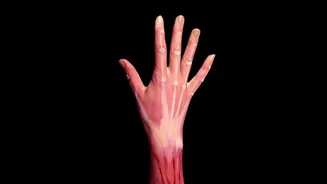
The human body's structure is complex. Bones are anchored by a web of muscles, ligaments, and tendons. In some cases, these surrounding soft tissues are strong enough to support the limb and allow for limited movement, even when the bone itself is cracked or broken. This is especially true for certain types of fractures where the bone hasn't shifted significantly out of place. Think of it like a cracked pillar that is still held upright by the surrounding framework. The structure is compromised, but it hasn't completely failed yet.
Fractures That Don't Stop You
Not all fractures are dramatic, bone-snapping events. Several types of breaks may permit some degree of motion: Non-displaced fractures: In these breaks, the bone cracks or breaks completely, but the ends remain aligned. Because the bone hasn't shifted, the mechanical structure of the limb may still be partially intact. Hairline or stress fractures: These are tiny cracks in the bone, often caused by repetitive stress or overuse. The pain may develop gradually and feel more like a deep ache, and you might retain most of your range of motion. Partial fractures: Common in children, whose bones are more flexible, these are incomplete breaks where the bone cracks but doesn't break all the way through.
Signs to Watch For Beyond Movement
Since mobility isn't a reliable indicator, it's crucial to look for other signs of a fracture. Intense, localised pain that feels sharp and deep is a primary clue. Other key symptoms include significant swelling that appears quickly, deep bruising over the bone, and tenderness when you press on the specific area. A visible deformity, where the limb looks bent or out of place, is an obvious sign. Some people also report hearing or feeling a 'snap' or a grinding sound at the moment of injury. Numbness or tingling could also suggest nerve involvement from the break.
The Danger of 'Testing' an Injury
Attempting to move or put weight on a potentially broken limb to 'test' it is a bad idea. If the bone is indeed fractured, this movement can cause the broken ends to shift, turning a stable, non-displaced fracture into a more complex displaced one. This can lead to further damage to surrounding nerves and blood vessels, increase pain and swelling, and complicate the healing process. Trying to realign a bone or push a protruding bone back in is extremely dangerous and should never be attempted. The best course of action is always to immobilise the limb as much as possible.