



A Symphony of Spices
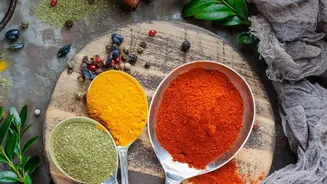
An authentic Indian meal is a masterclass in flavour, but its array of spices does more than delight the senses. Turmeric, cumin, ginger, and coriander are not just flavouring agents; they are packed with polyphenols and other compounds that act as prebiotics.
These compounds travel largely undigested to the large intestine, where they become food for beneficial bacteria. Studies have shown that curcumin, the active compound in turmeric, can help modulate the gut microbiome by encouraging the growth of good bacteria. Even a single meal with mixed Indian spices can positively influence the gut's bacterial balance, particularly by increasing beneficial Bifidobacterium. Many of these spices also possess anti-inflammatory and mild antimicrobial properties, which can help suppress the overgrowth of less desirable bacteria while nourishing the good ones.
The Power of Fermentation
Long before probiotic supplements became popular, Indian households were mastering the art of fermentation. Staples like dahi (curd), idli, dosa, and dhokla are rich natural sources of probiotics—live beneficial bacteria that help maintain a healthy gut balance. The fermentation process used to make idli and dosa batter, for instance, not only creates a light, fluffy texture but also populates it with lactic acid bacteria like Lactobacillus. These microbes help predigest nutrients, making the food easier on your system and enhancing nutrient absorption. Regular consumption of these foods is linked to an increase in gut microbial diversity, which is a key indicator of a healthy gut.
An Abundance of Fibre
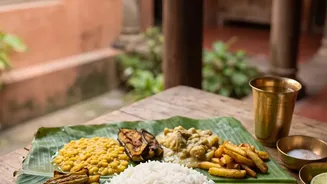
The foundation of a traditional Indian diet is its incredible diversity of plant-based foods, which are a primary source of dietary fibre. Lentils (dals), beans (rajma, chana), whole grains, millets, and a vast array of vegetables are central to daily meals. This fibre is the primary fuel for our gut microbes. Different types of fibre feed different bacteria, so the variety found in a typical Indian thali—which might include dal, a vegetable sabzi, and a whole grain—is crucial for supporting a diverse microbiome. Studies on Indian populations have shown that a diet high in fibre is associated with a higher abundance of beneficial bacteria like Prevotella, which are efficient at breaking down complex carbohydrates.
Why 'Freshly Cooked' Is Key
The emphasis on 'freshly cooked' meals is another cornerstone of this gut-friendly approach. When food is prepared and eaten fresh, it delivers its maximum nutritional payload. Heat-sensitive vitamins and beneficial plant compounds are at their peak. From an Ayurvedic perspective, fresh food contains more 'prana' or vital life energy, stimulating digestion more effectively than cold or reheated leftovers. While some research shows that cooling and reheating starchy foods can create resistant starch, which is beneficial for gut bacteria, the overall consensus is that fresh meals are easier to digest and provide more bioavailable nutrients. Stored food can also begin to lose nutrients through oxidation and may be harder for the digestive system to process.
The Wisdom of the Thali
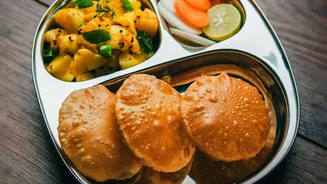
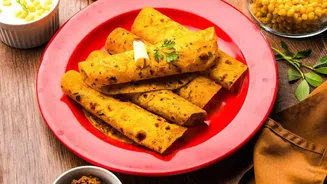
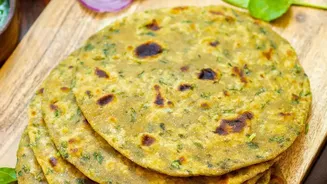
The traditional Indian thali is perhaps the best visual representation of this dietary wisdom. It isn’t just a platter of different dishes; it’s a balanced meal designed for holistic nourishment. A typical thali combines carbohydrates (rice, roti), protein (dal, legumes), vegetables (sabzi), and a probiotic element (dahi, raita). This combination ensures a wide spectrum of fibres, vitamins, minerals, and live cultures in a single sitting. This built-in diversity is what makes the eating pattern so effective. Rather than relying on a single 'superfood,' the strength of the Indian diet lies in the synergistic effect of all its components working together to create a rich and resilient gut microbiome.