






The Magic of Nilgiri Tea
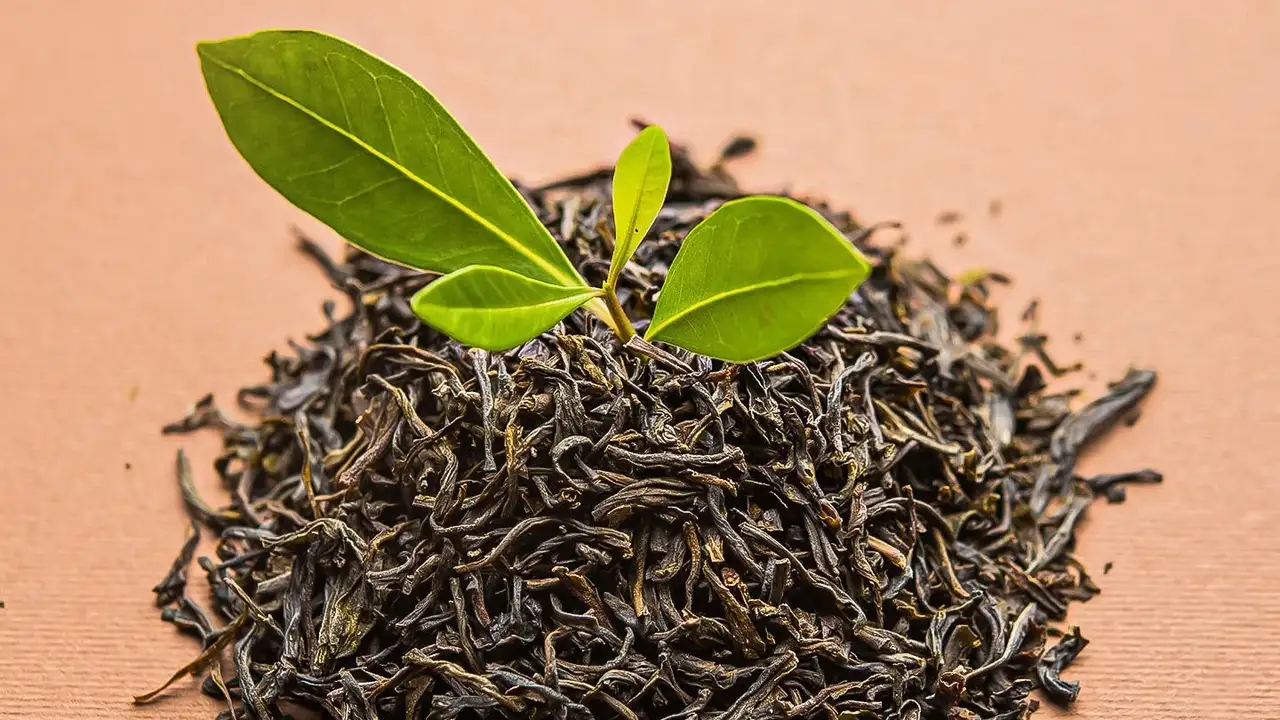
Often overshadowed by its more famous cousins from Darjeeling and Assam, Nilgiri tea is a hidden gem from the Blue Mountains of southern India. What makes it perfect for fruit infusions is its uniquely balanced and fragrant profile. It's known for being
brisk, floral, and smooth, with very little of the bitterness or astringency found in other black teas. This means it provides a beautiful, clean base that complements fruit flavours rather than competing with them. Grown year-round at high altitudes, the tea has a consistent quality and a bright, amber liquor that looks as good as it tastes. Its subtle spicy and nutty notes add a layer of complexity without overpowering the delicate sweetness of fresh produce. Because it rarely clouds or turns bitter, it is an exceptional choice for iced teas.
Embracing Natural Sweetness
The goal of these drinks is to move away from refined sugars and let the natural character of the ingredients shine. Most regional fruits possess their own distinct sweetness, from the tangy burst of jamun to the subtle earthiness of bael. By focusing on ripe, seasonal produce, you can create deeply flavorful beverages that need little to no added sugar. This approach not only reduces your sugar intake but also allows for a truer taste experience. When a touch of extra sweetness is desired, consider natural alternatives like a small amount of raw honey, jaggery syrup, or date syrup, which add their own nutritional benefits and complementary flavour notes. The idea is to enhance, not mask, the star ingredients: the tea and the fruit.
Your Guide to Fruit Pairings
India's diverse climate offers a treasure trove of fruits perfect for tea infusions. Here are a few regional stars to get you started: Jamun (Black Plum): With its iconic deep purple hue and a delightful sweet-and-tart flavour, jamun is a summer favourite. It creates a visually stunning and antioxidant-rich iced tea. Muddle fresh, deseeded jamun at the bottom of your glass before adding brewed and cooled Nilgiri tea. The tartness of the fruit beautifully balances the tea's floral notes. Kokum (Garcinia Indica): Hailing from the Western Ghats, the dried rind of the kokum fruit imparts a tangy flavour and a gorgeous pinkish hue to liquids. Known for its cooling properties, it’s an excellent choice for a summer beverage. Steep a few pieces of dried kokum along with your Nilgiri tea leaves to create a refreshing drink that aids digestion. Bael (Wood Apple): Whether fresh or dried, bael has a unique, almost marmalade-like aroma and an earthy sweetness. When simmered, it releases a rich flavour that is both comforting and refreshing. A Bael-infused Nilgiri tea can be served warm as a soothing tonic or chilled for a revitalising cooler. It is often believed to be good for digestion. Amla (Indian Gooseberry): Packed with Vitamin C, amla brings a powerful tangy and astringent punch. While intense on its own, a small amount of amla juice or a few slices infused in tea can create a super-beverage that boosts immunity and promotes gut health. Its sharpness cuts through wonderfully, creating a brisk and energising drink.
Simple Techniques for Delicious Brews
Creating your fruit-infused tea is simple, but a few techniques can elevate the final result. The most important rule for black tea is not to over-brew, which can create bitterness. Steep your Nilgiri tea leaves in hot water (just off the boil) for 3-5 minutes before removing the leaves. For a cold brew, combine tea leaves and fruit in a jug of cold water and refrigerate for 6-12 hours. This gentle process extracts flavour without any bitterness. For more immediate flavour, try muddling. Gently crush soft fruits like berries, jamun, or ripe peaches in your glass or pitcher before adding the cooled tea. This releases their juices and essential flavours. For harder fruits like amla or bael, simmering them in water for 10-15 minutes before adding tea leaves is an effective method. You can then strain the liquid and use it as your tea base.