


A Landscape Draped in Emerald
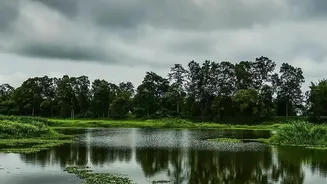
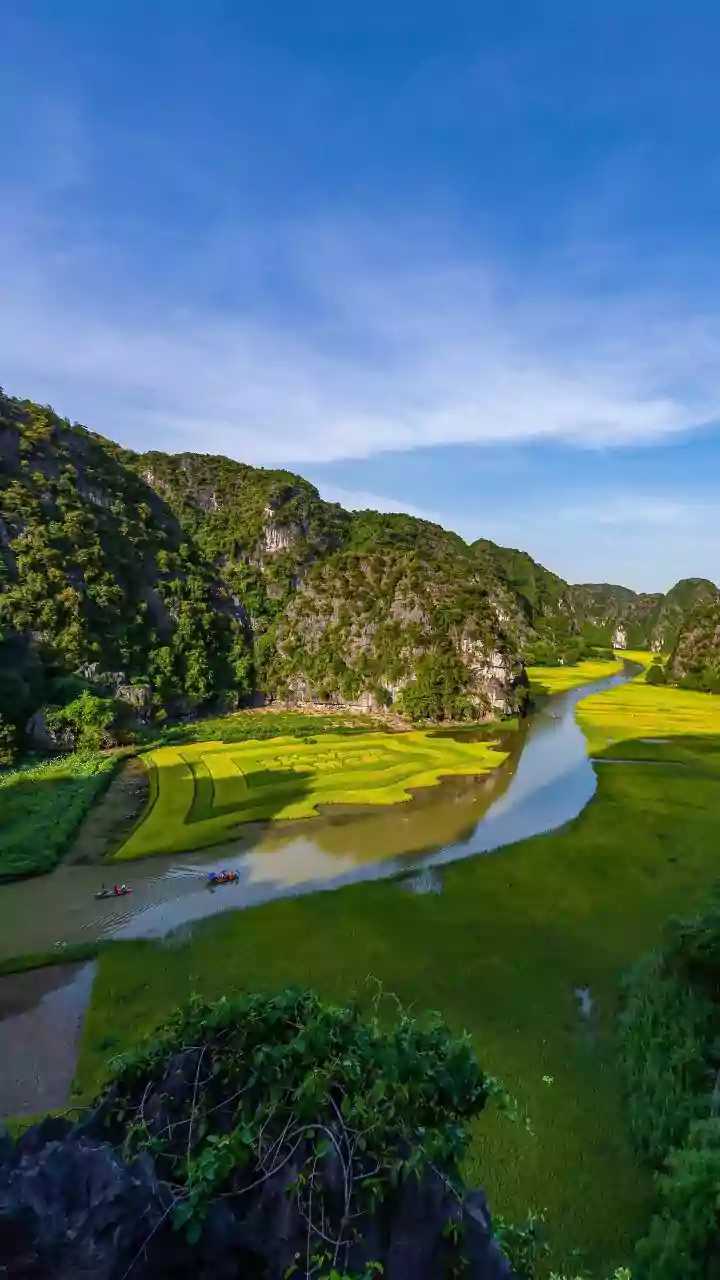
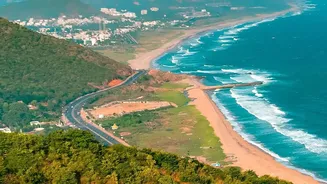
The most immediate and profound change the monsoon brings to Assam is the colour. The entire state is bathed in a brilliant, almost impossible shade of green. The dust of the dry season settles, and every leaf on every tree seems to glisten. The air is thick
with the petrichor, the earthy scent of rain hitting dry soil, and a cool breeze often accompanies the showers, providing relief from the humidity. This transformation creates a serene and immersive atmosphere, turning simple drives through the countryside into a profoundly scenic experience. It's a time when nature is at its most raw and powerful, offering a visual feast for those willing to embrace the rain.
Tea Gardens at Their Most Breathtaking
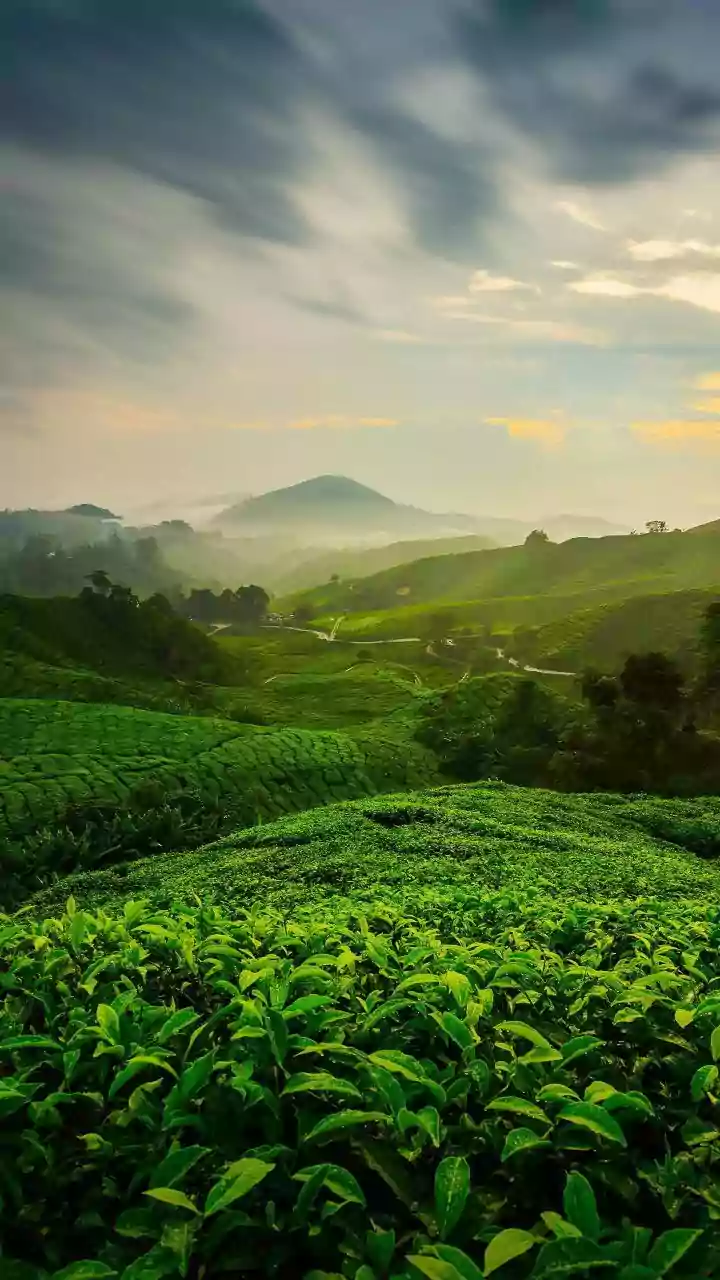
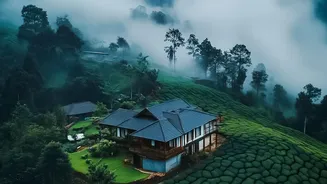
Assam is synonymous with tea, and during the monsoon, the sprawling tea estates of Jorhat and Dibrugarh are at their most picturesque. The rain revitalises the tea bushes, making them appear fuller and more vibrant. A visit during this season offers the chance to see the gardens in their full productive glory, often shrouded in a romantic mist. Many heritage tea bungalows offer cosy stays, allowing you to wake up to the sight of rain-swept plantations and enjoy freshly brewed tea while watching the downpour. Witnessing the tea pluckers, shielded by their umbrellas, deftly working their way through the lush rows is a cultural sight unique to this time of year.
The Power of Swollen Rivers and Waterfalls
The monsoon feeds Assam's great rivers and its many waterfalls. The mighty Brahmaputra River swells, offering majestic and imposing views, and river cruises can provide a unique perspective on the rain-washed landscape. Waterfalls that are mere trickles in the dry season become thunderous cascades. While destinations in neighbouring Meghalaya like Cherrapunji are famous for their rain-fed falls, Assam has its own spectacular sights that come alive during this season. The mist-covered hills and roaring waters create a dramatic and unforgettable natural spectacle for visitors.
A Time of Spiritual Fervour
The monsoon season coincides with one of Assam's most significant spiritual events, the Ambubachi Mela at the Kamakhya Temple in Guwahati. Usually held in mid-June, this large gathering celebrates the menstruation of the goddess, a symbol of the earth's fertility. The festival attracts thousands of devotees and tantrics from across India, creating an atmosphere of intense devotion and energy. For travellers interested in culture and spirituality, witnessing this unique festival offers a deep dive into the region's ancient traditions against the mystical backdrop of the monsoon.
Navigating the Wildlife Question
It is crucial to note that major wildlife sanctuaries like Kaziranga National Park and Manas National Park are closed to tourists during the monsoon due to flooding from the Brahmaputra. Safaris are not possible, as the high waters make the park inaccessible and unsafe. However, this doesn't mean wildlife viewing is entirely off the table. Some smaller sanctuaries like Pobitora, known for its dense rhino population, may offer limited access or a different kind of experience. Boat safaris in wetland areas like Dibru-Saikhowa National Park become a prime activity, offering excellent opportunities for birdwatching as the wetlands flourish.
Planning Your Monsoon Trip
Travelling to Assam during the monsoon requires some planning. While the scenery is stunning, the rains can cause travel disruptions. It’s wise to build flexibility into your itinerary. Pack quick-drying clothes, waterproof footwear, and rain gear. While major national parks are closed, places like Majuli Island, Haflong hill station, and the historic town of Sivasagar offer unique charms, with rain-washed monuments and misty landscapes. Accommodation is often cheaper and destinations are less crowded, offering a more serene and personal experience of the state.