






The Lure of Hidden Oceans
For decades, the search for life beyond Earth was synonymous with Mars. Yet, some of the most compelling destinations are much farther out, orbiting the gas giants Jupiter and Saturn. Here, scientists have found strong evidence for something astonishing:
vast, liquid water oceans hiding beneath kilometres of ice. Jupiter's moon Europa and Saturn's moon Enceladus are now considered the most promising candidates in our solar system for hosting life. This is because they appear to have the three key ingredients necessary for life as we know it: liquid water, essential chemical elements, and a source of energy.
Europa: A World of Water
Europa is a world defined by its water. Scientists believe this moon, which is slightly smaller than Earth's own, hides a global saltwater ocean beneath its icy crust that could be 10 kilometres deep. In fact, it may contain twice as much water as all of Earth's oceans combined. The evidence comes from magnetic field data captured by the Galileo spacecraft, which suggested a large, salty, and conductive layer beneath the ice. The incredible energy required to keep this ocean liquid so far from the sun comes from Jupiter itself. The massive planet's gravity constantly tugs and flexes Europa, generating heat through tidal forces, much like how a paperclip warms up when bent back and forth. This tidal heating could be enough to not only maintain a liquid ocean but also power hydrothermal vents on the seafloor.
Enceladus: Saturn's Geyser Moon
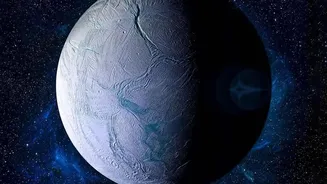
While Europa’s ocean is inferred, Enceladus offers a more direct taste. This small moon of Saturn astonished scientists when the Cassini spacecraft discovered massive geysers erupting from its south pole. These plumes shoot jets of water vapour, ice particles, and other materials hundreds of kilometres into space from cracks in the ice known as "tiger stripes." Cassini flew directly through these plumes on multiple occasions, sampling their composition. It found not just water, but also salts, silica, molecular hydrogen, and a variety of complex organic molecules—key building blocks for life. The presence of hydrogen is particularly exciting, as it suggests the existence of hydrothermal vents on the ocean floor, providing a potential chemical energy source that microbes could feed on.
An Earthly Analogy: Deep-Sea Vents
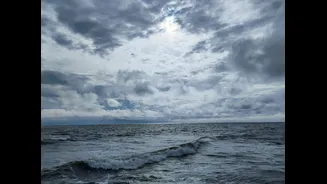
The idea of life thriving in a dark, cold ocean is not as far-fetched as it sounds. Here on Earth, in the 1970s, scientists discovered vibrant ecosystems clustered around hydrothermal vents on the ocean floor, entirely cut off from sunlight. Instead of photosynthesis, these organisms rely on chemosynthesis—harnessing chemical energy from the vents to survive. These deep-sea environments on Earth are considered a strong analogue for what might exist on the seafloors of Europa and Enceladus. The discovery that life can flourish in such extreme conditions on our own planet provides hope that it could also arise in similar environments on other worlds.
The Hunt for Biosignatures
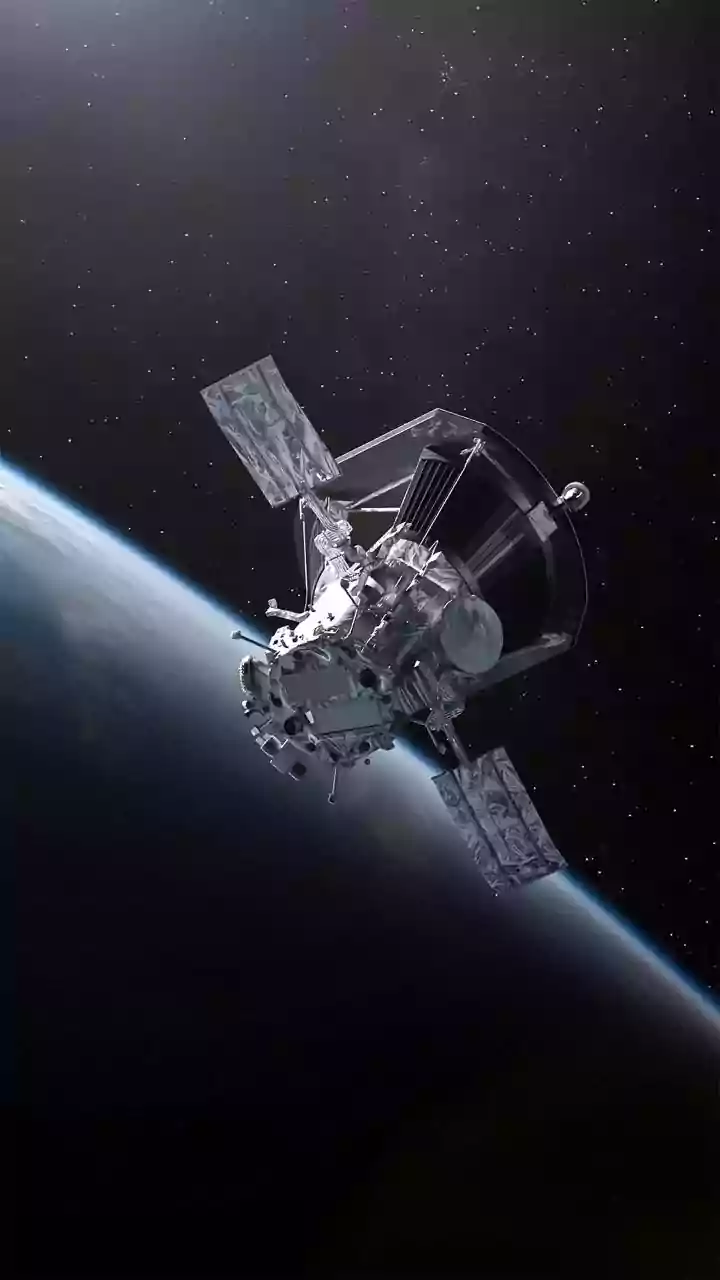
Finding definitive proof of life won't be easy. Probes can't simply land and look for aliens. Instead, they search for 'biosignatures'—molecules or patterns that are likely products of living organisms. These could include specific types of amino acids or lipids, which are essential components of cells. The challenge is distinguishing between compounds made by life and those that form through normal, non-biological chemistry. NASA's Europa Clipper mission, for instance, will perform dozens of close flybys of Europa to study its ice shell and ocean, looking for clues about its habitability. For Enceladus, future proposed missions like the Enceladus Orbilander or a European Space Agency probe aim to orbit and eventually land on the moon, analyzing fresh plume material for these very signs of life.