






You’ve likely heard of iron and vitamin C, but what about folate? This essential B vitamin plays a huge role in our health, from creating new cells to ensuring healthy development. Here’s why it deserves a spot on your nutritional radar.
What Exactly Is Folate?
Folate, also known
as vitamin B9, is a water-soluble vitamin that is vital for many of your body's most fundamental processes. Its name comes from the Latin word 'folium', which means leaf, hinting at where it's abundantly found. Folate is crucial for creating DNA and RNA, the building blocks of our cells, and is essential for the production of healthy red blood cells. You might also see the term 'folic acid' used. While related, they aren't exactly the same. Folate is the form that occurs naturally in foods, whereas folic acid is the stable, synthetic version used in dietary supplements and fortified foods like cereals and flour.
Why Your Body Needs It
Folate's most critical role is in supporting cell growth and division. This makes it incredibly important during periods of rapid development, such as pregnancy, infancy, and adolescence. For expectant mothers, adequate folate intake before and during early pregnancy is proven to significantly reduce the risk of major birth defects of the baby's brain and spine, known as neural tube defects. Beyond pregnancy, folate contributes to overall health by helping to convert homocysteine, an amino acid, into other useful substances. High levels of homocysteine have been linked to an increased risk of heart disease and stroke, so keeping it in check is important for cardiovascular wellness. Folate also supports brain health and may play a role in mood regulation.
Signs You Might Be Lacking
Since folate is a water-soluble vitamin, our bodies don't store it in large amounts, so we need a regular supply from our diet. A deficiency can develop gradually, with initial symptoms that are easy to overlook. The most common signs include persistent fatigue, weakness, pale skin, and shortness of breath, which are all symptoms of a type of anaemia called megaloblastic anaemia. Other potential indicators can be mouth sores, a sore tongue, loss of appetite, irritability, and difficulty concentrating. While a balanced diet usually provides enough for most adults, certain conditions or medications can interfere with its absorption.
Folate-Rich Foods in the Indian Kitchen
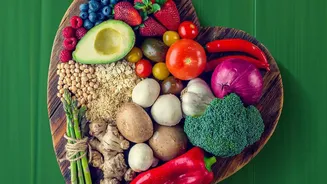
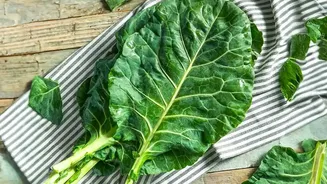
The good news is that the typical Indian diet is naturally rich in folate. Many of our everyday staples are packed with this essential nutrient. Dals and legumes are powerhouses; a single cup of cooked lentils (masoor dal) can provide a significant portion of your daily needs. Chickpeas (chana), kidney beans (rajma), and black-eyed peas (lobiya) are also excellent sources. Dark leafy greens are another fantastic option. Spinach (palak), fenugreek leaves (methi), and amaranth leaves (chaulai) are loaded with folate. A cup of cooked spinach alone contains a substantial amount of the nutrient. Don't forget vegetables like okra (bhindi) and beetroot, and fruits such as papayas, bananas, and oranges.
A Balanced Plate Is Always Best
While folate is clearly a hero nutrient, it's important to remember the headline's wisdom: it's 'one part of a varied diet'. Nutrients work together. For instance, pairing folate-rich foods with sources of vitamin C, like a squeeze of lemon on your dal, can enhance absorption and provide wider benefits. Focusing too heavily on a single nutrient can lead to imbalances elsewhere. A diet that includes a colourful mix of vegetables, a variety of dals and legumes, whole grains, and seasonal fruits will not only cover your folate needs but also provide the fibre, protein, and other vitamins and minerals essential for longterm health. The goal isn't to meticulously track every microgram, but to build a pattern of eating that is diverse and nourishing.