

For decades, refined maida has been the silent hero of fluffy cakes and soft rotis in Indian kitchens. But what if the secret to an even better texture—plus more flavour and nutrition—lies in revisiting the past with ancient grain flours?
The Familiar Comfort of Maida
Refined wheat
flour, or maida, is prized for one primary reason: its consistency. By stripping away the bran and germ, the milling process leaves behind a fine, starchy endosperm. This results in a flour that produces reliably soft, light, and airy textures in everything from breads and biscuits to samosas. Its neutral flavour allows other ingredients to shine, making it a versatile default. However, this refinement process also removes most of the dietary fibre, vitamins, and minerals, leaving a product that is high in simple carbohydrates. Texturally, while maida offers softness, it can also be one-dimensional, sometimes leading to a gummy or pasty mouthfeel, especially in rustic preparations like rotis or parathas where a bit more character is often welcome.
Rediscovering Ancient Grains
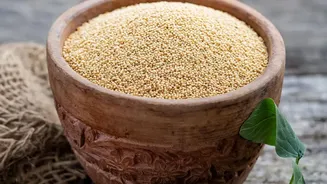
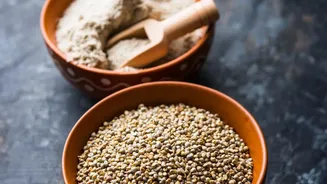
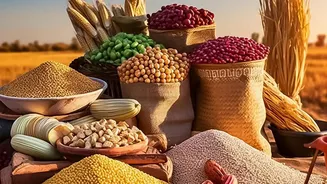
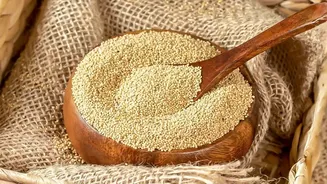
The term 'ancient grains' refers to a group of cereals that have been cultivated for thousands of years, long before modern wheat became dominant. In India, this group includes popular millets like jowar (sorghum), bajra (pearl millet), and ragi (finger millet), as well as others like amaranth (rajgira). Unlike maida, these are typically consumed as whole grains, meaning they retain their nutrient-dense bran and germ. This makes them rich in dietary fibre, protein, and essential minerals like iron, magnesium, and calcium. For instance, ragi is one of the best plant-based sources of calcium, and bajra is an excellent source of iron. Their re-entry into modern kitchens isn't just a health trend; it's a rediscovery of complex flavours and textures.
The Art and Science of Better Texture
The magic happens when you start blending these flours. Because ancient grains have different properties, they contribute unique textural elements that maida alone cannot provide. Since most millets are gluten-free, they don't create the same elastic structure as wheat. Instead, they add character. Jowar, with its mild flavour, creates a softer, more tender crumb, making it a great starting point for those new to millets. Bajra has a heartier, coarser texture that lends a rustic, satisfying bite to flatbreads. Ragi is denser and has a unique ability to hold moisture, which can result in wonderfully moist cakes and dense, fudgy brownies. The fibre in these flours also plays a crucial role, providing structure and preventing the gumminess sometimes associated with refined flour bakes. Mixing them allows you to create a final product that is simultaneously soft, moist, and structurally interesting.
A World of Flavour Beyond Bland
Beyond texture, ancient grains introduce a spectrum of new flavours. While maida is neutral, ancient grains have distinct personalities. Jowar is mild and slightly earthy, making it an easy swap in many recipes. Bajra offers a pronounced nutty and earthy taste that pairs beautifully with ghee and jaggery in traditional rotis. Ragi has a deeper, somewhat malty flavour that complements chocolate, cardamom, and other spices. Amaranth flour adds a peppery, toasty note perfect for crackers and savoury pancakes. By blending these flours with your regular atta or even a small amount of maida, you are not just making a healthier choice; you are layering flavours and adding a complexity that makes the final dish far more delicious and memorable.
How to Start Blending Flours
Getting started is simpler than it sounds. You don't need to abandon wheat or maida entirely. A great way to begin is by following a simple ratio. Start by substituting 25% of the maida or atta in your recipe with an ancient grain flour. For everyday rotis, a blend of 70% whole wheat and 30% jowar or bajra flour, kneaded with warm water, yields soft and flavourful results. For baking cakes or muffins, try replacing a quarter of the maida with ragi or oat flour and adding a bit of extra moisture—like yoghurt or mashed banana—to keep the bake tender. For cookies, chilling the blended dough before baking is key to preventing spread and achieving a chewy texture. Experiment with different combinations to see what you enjoy most. For example, a mix of jowar and oat flour can make excellent pancakes, while a ragi and whole wheat blend is fantastic for chocolate cake.