


The Enduring Cosmic Gumshoe
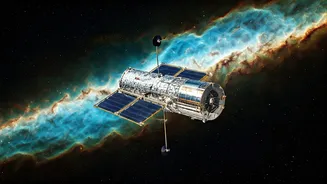
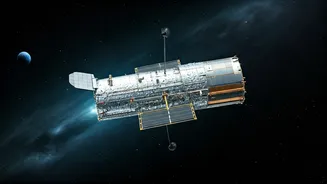
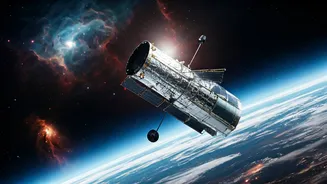
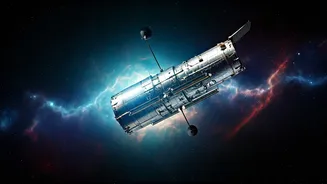
In an era of rapid technological turnover, the Hubble Space Telescope is an anomaly. Orbiting 300 miles above Earth, it has operated continuously since 1990, a testament to its robust design and the five crucial servicing missions carried out by space
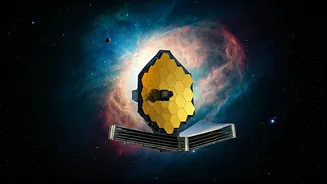
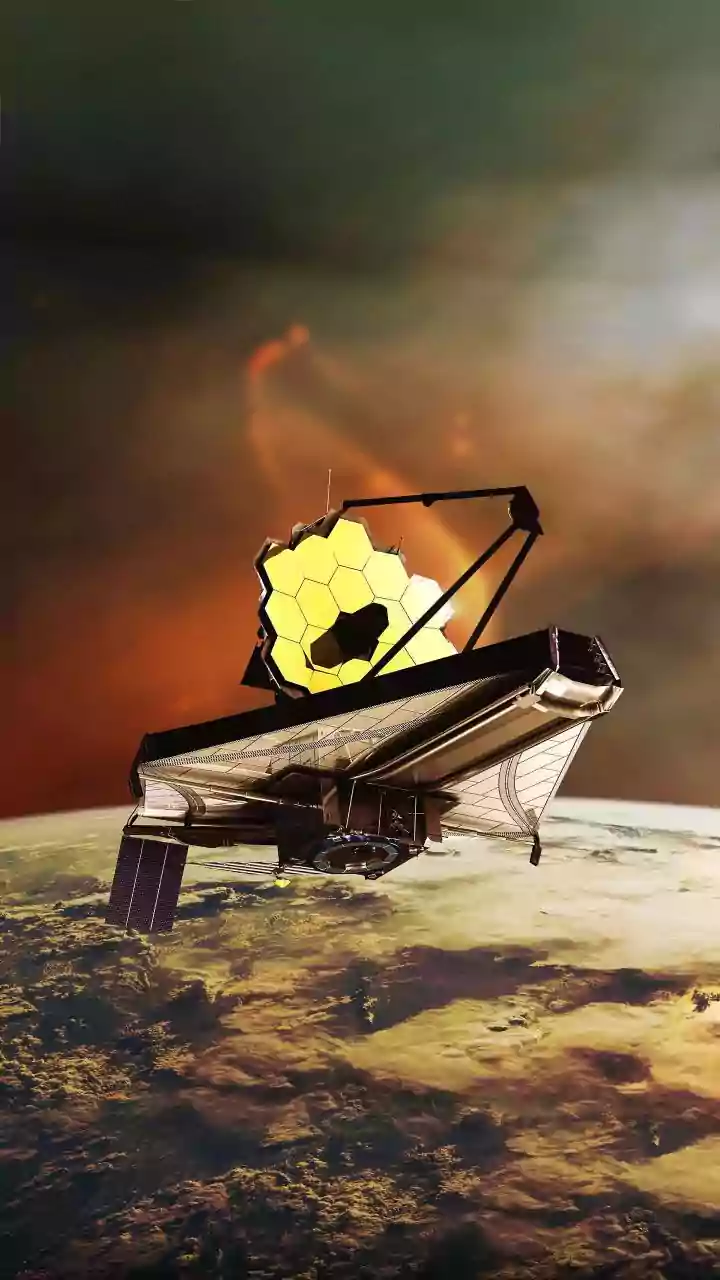
shuttle astronauts. These missions not only repaired aging components but also installed new, more powerful instruments, effectively giving the telescope a series of high-tech upgrades. While newer observatories like the James Webb Space Telescope (JWST) are optimized for infrared light, Hubble remains the undisputed expert in ultraviolet and visible light astronomy. This unique capability allows it to study different cosmic phenomena, making it a crucial partner to, rather than a competitor of, the new generation of telescopes. Its longevity is its superpower; the vast archive of data collected over 30-plus years provides an unparalleled timeline of cosmic events, allowing astronomers to track changes in the universe.
Cracking the Universe's Biggest Cases
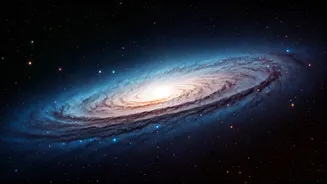
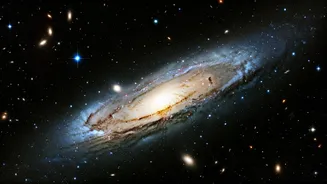
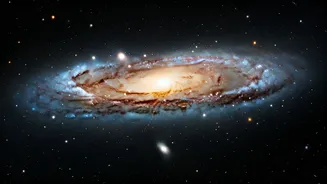
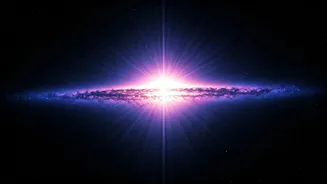
Like any legendary detective, Hubble has a portfolio of solved cases that transformed our understanding of the universe. One of its primary missions was to pin down the age of the cosmos. By precisely measuring the distances to faraway galaxies, Hubble's observations helped scientists determine the universe is 13.8 billion years old. It also delivered the crucial evidence that the expansion of the universe is not slowing down but accelerating, leading to the discovery of the mysterious force known as dark energy. Another major case was proving the existence of supermassive black holes at the center of nearly every large galaxy, including our own. Before Hubble, these were just theories. But Hubble’s sharp vision could see the effects of their immense gravity on surrounding stars, providing the smoking gun. From watching a comet collide with Jupiter to discovering moons around Pluto, its case file is a highlight reel of modern astronomy.
The Detective's Latest Investigations
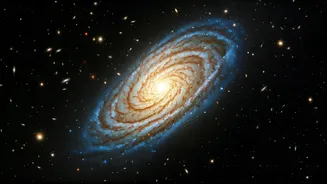
Hubble is far from retired. In June 2026, it provided a stunning breakthrough, detecting ultraviolet light from a galaxy named MXDFz4.4 that existed just 1.4 billion years after the Big Bang. This was thought to be impossible, as the early universe was filled with a fog of neutral gas that should have blocked such light. The discovery suggests that small, powerful galaxies like this one were responsible for clearing that cosmic fog, a process called reionization. Earlier in the year, it revealed a gigantic and chaotic planet-forming disk, nicknamed “Dracula’s Chivito,” that is unlike anything seen before. In February, it identified a galaxy almost entirely dominated by dark matter, and in January it uncovered a “relic” cloud of gas and dark matter left over from the early era of galaxy formation. These recent findings show that Hubble continues to operate at the cutting edge of science, investigating new cosmic puzzles.
A Toolkit for Cosmic Clues
Every detective needs a reliable toolkit, and Hubble’s is world-class. Its main advantage is its position above the distorting effects of Earth's atmosphere, which allows it to capture incredibly sharp images. Its primary 2.4-meter mirror collects light and funnels it to a suite of scientific instruments. These are its magnifying glasses and forensic labs: cameras like the Wide Field Camera 3 for stunning, detailed images, and spectrographs like the Cosmic Origins Spectrograph, which break light down into its constituent parts to analyze the chemical composition, temperature, and motion of celestial objects. To stay locked on a target while hurtling around the planet at 17,000 miles per hour, Hubble uses a combination of gyroscopes for big movements and Fine Guidance Sensors that lock onto guide stars for pinpoint accuracy, keeping its gaze perfectly steady for hours.