

An August Spectacle: The Perseid Meteor Shower
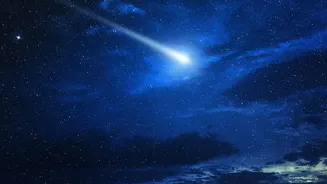
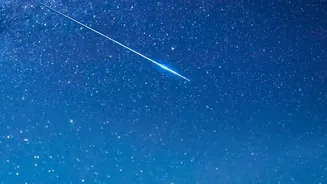
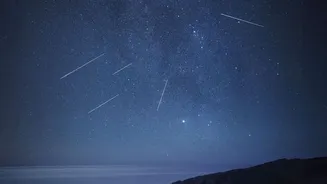
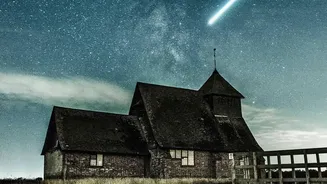
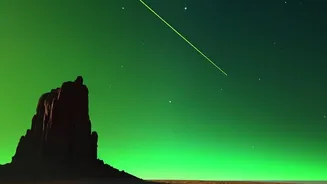
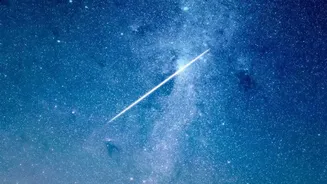
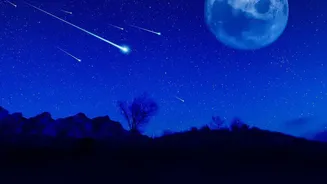
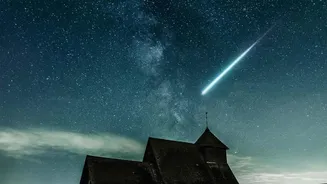
The Perseid meteor shower is an annual event that occurs every summer when Earth passes through the trail of debris left by the comet Swift-Tuttle. These tiny particles, many no bigger than a grain of sand, burn up upon entering our atmosphere at high
speeds, creating the fleeting streaks of light we call meteors or shooting stars. Known for being bright and plentiful, the Perseids are considered one of the best meteor showers of the year, capable of producing up to 100 meteors per hour under ideal conditions. This year is particularly special as the peak viewing nights coincide with a new moon, meaning the sky will be exceptionally dark without moonlight to wash out the fainter meteors.
Best Viewing Times for India
The key to catching the most meteors is timing. For observers in India, the shower will peak on the night of August 12 and into the pre-dawn hours of August 13, 2026. While you can start looking after 11 p.m., the best viewing window will be between 2:00 a.m. and 4:30 a.m. IST on August 13. During these hours, the shower's radiant point—the spot in the constellation Perseus from which the meteors appear to originate—climbs higher in the northeastern sky, increasing the number of visible shooting stars. Don't worry if you miss the absolute peak; the nights of August 11 and August 14 should also provide good opportunities.
Finding Your Dark Sky Sanctuary
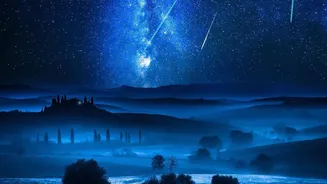
The single biggest obstacle for most skywatchers is light pollution from cities. To maximise your chances of a brilliant show, you need to find a location with dark skies. This means getting as far away from city lights as possible. Think outskirts of your town, rural villages, or open highways. The main challenge in August for much of India is the monsoon. Heavy cloud cover can obscure the sky entirely. For the best chance of clear skies, consider heading to rain-shadow regions or high-altitude areas. Locations like Ladakh and Spiti Valley are renowned for their clear, dark skies. Similarly, the arid desert landscapes of the Rann of Kutch and Jaisalmer can also offer excellent viewing conditions, as they are less affected by monsoon clouds.
How to Watch: Your Eyes Are the Best Tool
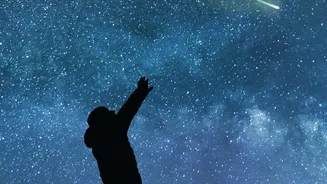
You do not need a telescope or binoculars to enjoy the Perseids. In fact, your naked eyes are the best instrument for the job because they allow you to take in a wide expanse of the sky. Meteors can appear anywhere, so a restricted field of view can make you miss them. Find a comfortable spot where you can lie back on a blanket or a reclining chair. The most important step is to allow your eyes to adapt to the darkness, which can take about 20 to 30 minutes. This means no looking at your phone screen. The white light will ruin your night vision. If you need a light, use a torch with a red filter, as red light is less disruptive to your eyes.
Your Stargazing Checklist
Being prepared will make the experience much more enjoyable. Even in August, nights can get chilly, especially in the mountains or desert. Dress in layers and bring a warm jacket. Pack a comfortable blanket or a sleeping bag to lie on. Bring some water and light snacks to keep you going through the early morning hours. While not essential, a star map or a stargazing app on your phone (used sparingly, perhaps before your eyes have adapted) can help you identify constellations. Most importantly, bring patience. Meteor watching involves periods of waiting, punctuated by moments of awe.