



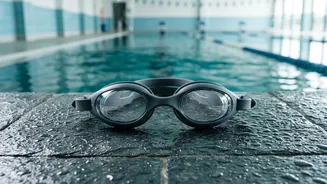

The internet is flooded with advice on how to swim faster and better. But many claims are exaggerated, leading to frustration. This guide cuts through the noise, putting breath control, technique, and pace into a balanced, effective perspective.
The Search for Swimming Nirvana
Every
swimmer, from the casual lane-crosser to the aspiring triathlete, wants to feel more efficient in the water. We dream of that smooth, powerful glide where everything clicks. In pursuit of this, we are bombarded with a sea of tips and tricks promising revolutionary results. 'Hold your breath longer!' 'Perfect this one drill!' 'Go hard every session!' The problem is that many of these claims, while well-intentioned, are often presented out of context. The four pillars of great swimming—breath control, technique, pace, and the mindset to balance them—are deeply interconnected. Focusing too intensely on one at the expense of the others can stall progress and even lead to burnout. The real magic isn't in a single secret; it's in understanding how these elements work together and applying that knowledge with patience and consistency.
Breath Control: The Myth of Holding It In
One of the most persistent myths in swimming is that you should hold your breath for as long as possible. The logic seems simple: less breathing equals less disruption to your stroke. In reality, holding your breath creates tension, raises anxiety, and leads to a buildup of carbon dioxide in your system. This culminates in a desperate, frantic gasp for air that completely shatters your rhythm and body position. Effective breathing is about rhythm, not retention. The goal is to exhale smoothly and consistently whenever your face is in the water. This ensures that when you turn your head to inhale, your lungs are empty and ready for a quick, relaxed breath. This rhythmic exchange keeps your body calm, improves endurance, and allows your stroke to remain fluid. Forget about forceful breath-holding; think of a calm, steady stream of bubbles leaving your nose or mouth as the foundation of a relaxed and powerful swim.
Technique: The Fallacy of Perfection
‘Technique is everything’ is another common refrain. While it is undeniably the foundation of efficient swimming—after all, water is nearly 800 times denser than air—the pursuit of 'perfect' technique can be a trap. Novice swimmers often get bogged down trying to emulate the flawless form of an Olympian, leading to paralysis by analysis. Good technique is about moving through the water with minimal drag and maximum propulsion. However, this doesn't mean there is only one 'correct' way to swim. An effective stroke for a sprinter is different from that of a long-distance swimmer. The key is to build a solid technical foundation and then allow it to adapt to your personal goals and physical attributes. Trying to swim fast with poor technique is like trying to drive a car with the handbrake on. But obsessing over a rigid, 'perfect' form without considering pace and endurance is equally counterproductive. The goal should be functional, efficient technique that you can maintain when tired, not a picture-perfect stroke that falls apart under pressure.
Pace: More Than Just Swimming Fast
The 'go hard or go home' mentality is pervasive in many sports, and swimming is no exception. Many swimmers believe the only way to get faster is to swim as fast as possible in every session. This approach almost always backfires, leading to technical breakdown, extreme fatigue, and burnout. Pacing is the art of distributing your energy effectively over a set distance or time. It is a skill that has more to do with control and awareness than raw fitness. Trying to hold a pace that is too fast for your current ability will cause your technique to crumble and your breathing to become erratic. A smarter approach involves training at various speeds. Slow, deliberate swimming helps reinforce good technique, while swimming at a sustainable, consistent pace builds endurance. Learning what different efforts feel like—easy, moderate, and hard—is crucial for race day and for making long-term progress. True race pace isn't about going 'all out' from the start; it's about finding the fastest speed you can sustain without falling apart.
Bringing It All Together for a Better Swim
The true path to improvement lies in understanding that breath, technique, and pace are not separate skills to be mastered in isolation. They are a three-legged stool; if one leg is too short or too long, the whole thing topples over. Panicked breathing will ruin the most graceful stroke. A flawed technique will make any pace feel unsustainable. And a pace that is too aggressive will cause both breathing and technique to collapse. Instead of chasing exaggerated claims, focus on balance. Spend time on drills that reinforce calm, rhythmic breathing. Work on a technique that is efficient for you, not just what you see online. Practice swimming at different speeds to develop a strong sense of pace. By shifting your perspective from finding a single magic bullet to embracing a holistic and patient approach, you will build a stronger, more resilient, and more enjoyable swimming practice.