




The Science of Living Light
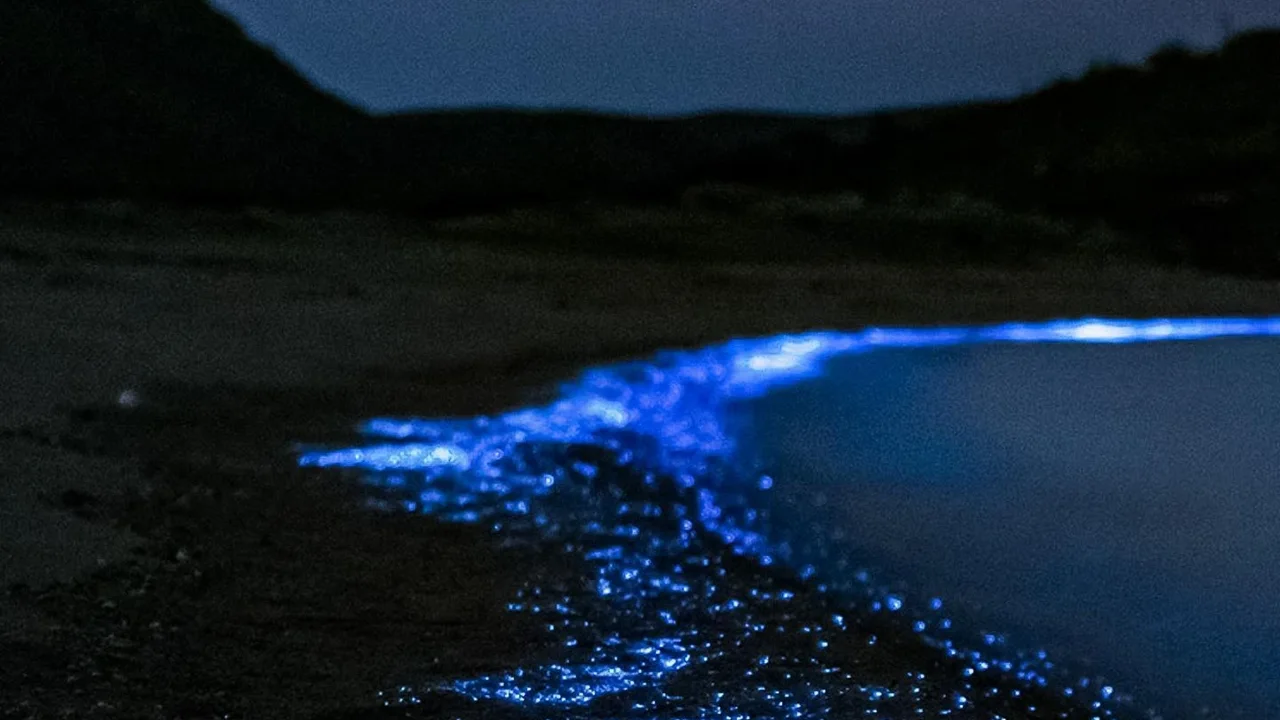
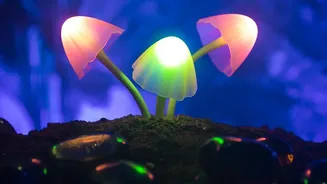
Bioluminescence is nature's own light show, a chemical reaction within living organisms that produces light. It's what makes fireflies blink and certain fungi cast a ghostly glow in the forest. For decades, scientists have dreamed of harnessing this natural
process. The breakthrough came by understanding the genetics behind it. Recent advancements have focused on inserting genes from bioluminescent mushrooms into common plants. This method is proving particularly effective because the key chemical compounds needed for the light-producing reaction, like caffeic acid, are already present in most plants. By introducing a set of enzymes from the fungi, scientists can create a self-sustaining loop within the plant that converts this acid into luciferin—the light-emitting molecule—and then recycles it, allowing the plant to glow continuously without any external help.
From Lab to Living Room
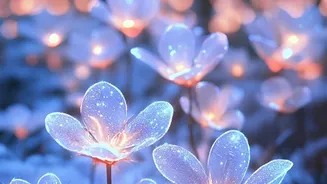
What was once a laboratory experiment is now a commercial reality. The most prominent example is the 'Firefly Petunia,' developed by the synthetic biology company Light Bio. In early 2024, the company received approval from the U.S. Department of Agriculture (USDA) to sell these genetically engineered glowing plants directly to consumers. This marked a major milestone, moving bioluminescent plants from a scientific curiosity to a commercial product for homes and gardens. The company, supported by biotech leaders like Ginkgo Bioworks, has been optimizing the genes to make the plants brighter—in some cases up to 100 times more luminous than earlier versions. The Firefly Petunia glows most brightly from its flower buds and areas of new growth, creating a dynamic, living light that changes as the plant thrives.
The Urban Landscaping Vision
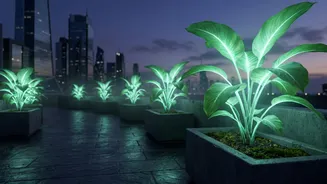
While individual houseplants are the first step, the larger ambition is to integrate this technology into urban landscapes. Proponents envision a future where glowing trees and shrubs line park pathways, decorate public squares, and provide ambient light, thereby reducing the reliance on electricity-powered streetlights. Street lighting can account for a significant portion of a city's energy budget, and a shift to biological systems could offer substantial savings and emission reductions. Researchers in China have already engineered more than 20 species of glowing plants, including roses and orchids, with the explicit goal of applying them in urban parks and for cultural tourism, creating an 'Avatar'-like experience. This approach turns functional infrastructure into a biological system that also sequesters carbon and improves air quality.
Hurdles on the Path to a Glowing Future
Despite the excitement, significant challenges remain before cities can switch off their streetlights. The primary issue is brightness. While much improved, the light emitted by current bioluminescent plants is still quite soft, closer to moonlight than a modern LED bulb. It is suitable for decorative purposes or low-intensity ambient light, but not yet powerful enough to replace safety-critical street lighting. Furthermore, scaling up from potted plants to robust, weather-resistant trees that can thrive in an urban environment is a complex horticultural and engineering challenge. There are also regulatory and public perception hurdles to overcome. The use of genetically modified organisms (GMOs) in open, public spaces requires thorough environmental assessment to ensure they don't negatively impact local ecosystems, for instance through cross-pollination. Regulatory bodies like the USDA, EPA, and FDA have a coordinated framework for evaluating GMOs, but large-scale environmental release would require extensive review.