






The Backlash Against the Blend
For years, protein shakes have been the go-to for post-workout recovery and meal replacements. But for a growing number of Gen Z consumers, the appeal is wearing thin. Concerns are mounting over long, unpronounceable ingredient lists, artificial sweeteners,
and added sugars. Many commercially available powders can cause digestive issues like bloating and discomfort, particularly those based on dairy. Beyond the physical, there's a cultural shift at play. The aggressive marketing and "gym bro" culture often associated with protein supplements don't resonate with a generation that values a more holistic and inclusive approach to health and wellness. They are also wary of supplements in a market that is not strictly regulated, with some reports finding unwanted contaminants in popular powders.
The Rise of the Whole-Food Snack
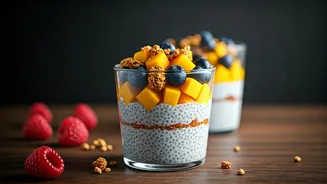
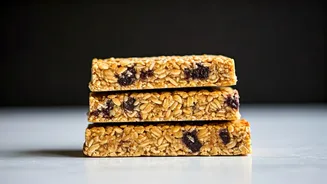
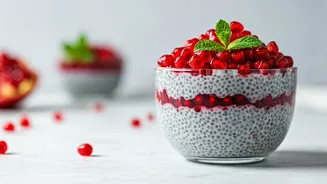
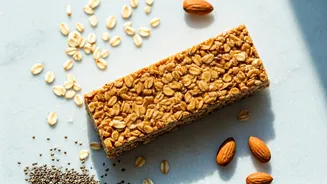
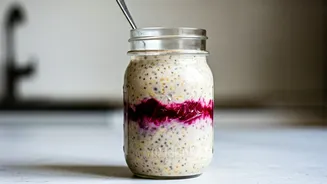
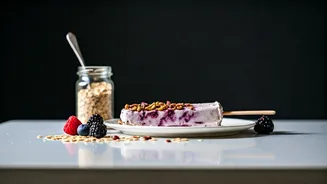
Enter the frozen oat bar. Often homemade, these bars are popping up all over social media platforms like TikTok, where users share endless variations. The basic recipe is simple: a base of rolled oats and dates, often blended with nut butter and seeds for healthy fats and extra protein, topped with yogurt and a fruit swirl, then frozen. The appeal lies in its simplicity and transparency. You know exactly what’s in it because you made it yourself. These bars tap into Gen Z's preference for whole foods, customisation, and convenience. They offer sustained energy from complex carbs and fiber from the oats, which also promote digestive health and satiety.
A Question of Nutrition
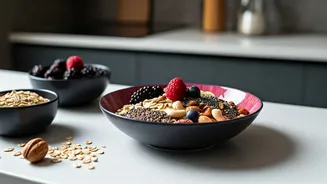
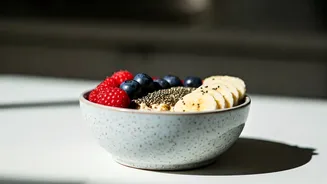
While a protein shake might win on pure protein content per serving, that’s not the whole story. Many oat bars, especially when made with Greek yogurt, nut butters, and seeds like flax or chia, can provide a significant protein boost. More importantly, they offer a more balanced nutritional profile. Oats provide soluble fiber like beta-glucan, which is good for heart health, while berries add antioxidants and vitamins. Protein shakes, on the other hand, can lack the fiber and micronutrients found in whole foods, and some are high in calories and sugar. The homemade nature of oat bars allows for complete control over sugar content, often relying on natural sweetness from dates or a touch of honey.
It's a Lifestyle, Not Just a Snack
The choice between a chalky shake and a colorful, homemade frozen bar reflects a deeper generational shift in values. Gen Z is increasingly skeptical of the quick-fix, hyper-processed solutions marketed by the traditional diet and fitness industry. They favor authenticity, transparency, and foods that are not just functional but also enjoyable and visually appealing—perfect for sharing online. The frozen oat bar isn't just a snack; it's a statement. It represents a move towards 'modular eating', where meals are assembled from simple, reliable bases, and a preference for foods that are perceived as natural and clean-label. This trend signals a broader desire for a gentler, more personalized, and less prescriptive approach to wellness.