




A Major Celestial Event for Europe
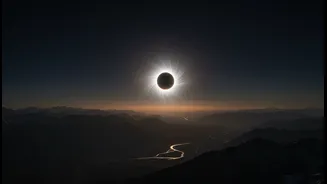
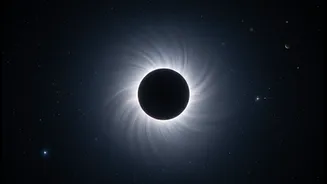
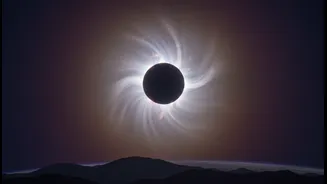
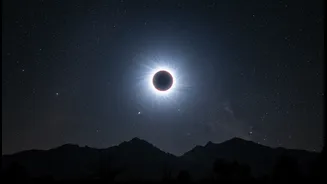
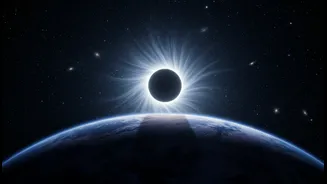
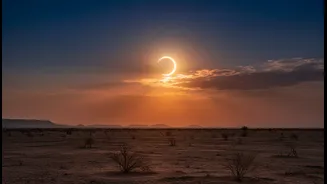
The 2026 total solar eclipse is a huge deal, especially for Europe. It's the first time a total solar eclipse will be visible from mainland Europe since 1999. The path of totality, where the Moon completely blocks the Sun, will cross over Greenland, Iceland,
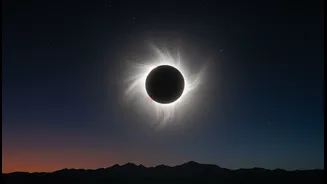
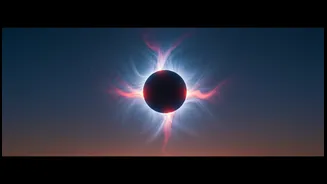
the Atlantic Ocean, and northern Spain. For many in Spain and Portugal, the eclipse will occur just before sunset, creating the potential for an incredibly rare and photogenic 'sunset eclipse' with the Sun’s corona glowing on the horizon. This astronomical alignment, with a maximum totality of 2 minutes and 18 seconds, has scientists and skywatchers in the region buzzing with anticipation.
The View from India: Answering the Question
So, can you watch this from Mumbai, Delhi, or anywhere else in India? The short and direct answer is no. The total solar eclipse of August 12, 2026, will not be visible from the Indian subcontinent. The reason is simple: timing. The eclipse will traverse the globe during what will be late night hours in India. The peak of the eclipse occurs around 11:16 PM IST, when the Sun is long set and on the other side of the planet from India. For any eclipse to be visible, the Sun must be above the horizon. While some unconfirmed calculations suggest a minuscule partial eclipse might theoretically be visible from the northernmost tips of Ladakh, for all practical purposes, this event is not for Indian eyes directly.
Your Front-Row Seat: Watch the Live Streams
Just because it's not overhead doesn't mean you have to miss out. The primary way for enthusiasts in India to 'respond' is by tuning into the numerous live streams that will be available. Major space agencies like NASA and the European Space Agency (ESA) are expected to provide high-definition, expert-narrated broadcasts of the eclipse as it happens. These streams will track the Moon's shadow from various locations, from the icy landscapes of Greenland to the coasts of Spain. This offers a fantastic opportunity to see the eclipse in stunning detail, complete with scientific commentary, all from the comfort of your home.
A Celestial Bonus: The Perseid Meteor Shower
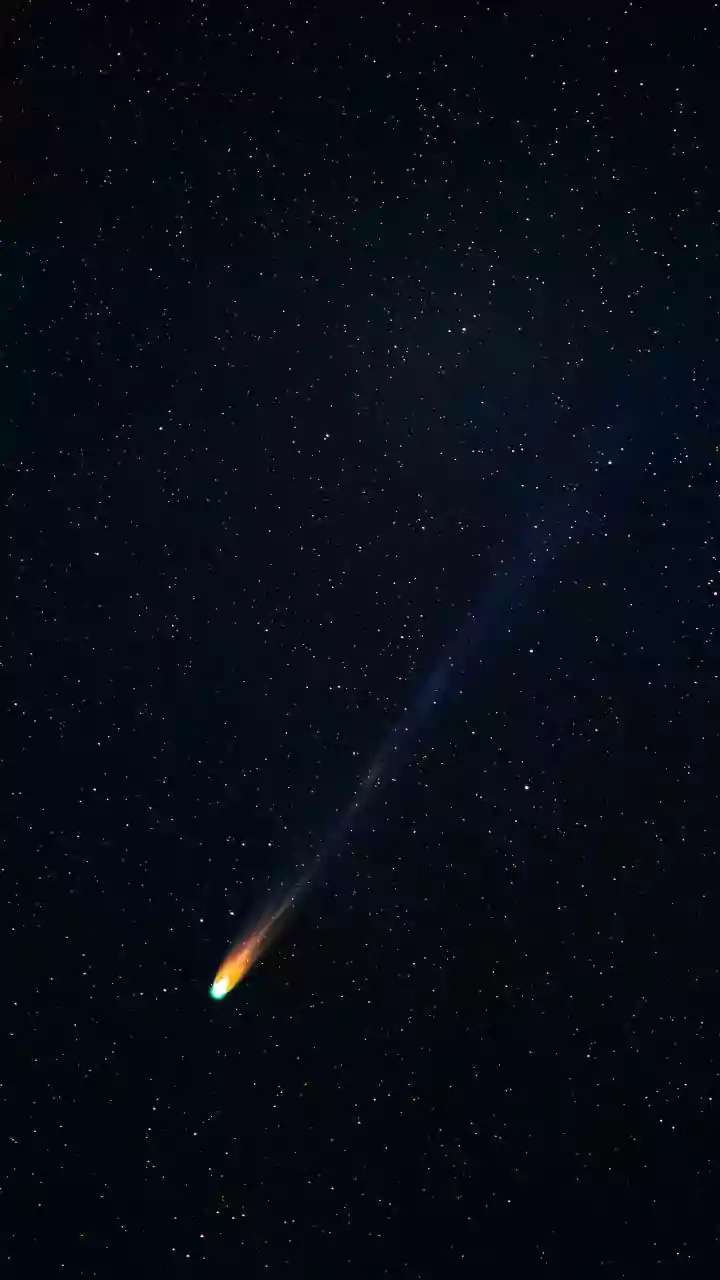
There's a wonderful silver lining for Indian skywatchers. The date of the solar eclipse, August 12, coincides with the peak of the annual Perseid meteor shower. A solar eclipse can only happen during a New Moon phase, which means the night sky will be exceptionally dark without any moonlight to wash out fainter objects. This creates perfect conditions for meteor watching. So, while you're waiting for the eclipse live stream to begin late at night, you can head outside (away from city lights) and enjoy one of the best meteor showers of the year. It's a two-for-one celestial deal.
Engage with the Science from Afar
An eclipse is a massive opportunity for science, and you can still be a part of the learning. You can follow the results of major citizen science projects happening during the eclipse. For example, projects in Spain will study everything from the human body's reaction to the sudden darkness to changes in sky brightness. For students, this is a perfect real-time lesson in orbital mechanics and geography. Why is the path so specific? What's the difference between a total and partial eclipse? Use the event as a catalyst for curiosity and online research. It's also a great time to learn about safe solar viewing practices, like using certified eclipse glasses or pinhole projectors, for future eclipses that will be visible from India.
Mark Your Calendar for Future Eclipses
For those who crave the real experience, don't despair. The next total solar eclipse that is much closer to home and highly anticipated is on August 2, 2027. That eclipse will have a long path of totality crossing North Africa and the Middle East, with partial phases visible across much of India. It promises to be a major event for the region. So, while you enjoy the 2026 eclipse digitally, you can start getting excited and perhaps even planning for the spectacular 2027 show that you can witness firsthand.