






The Great Digital Migration
For decades, the Indian beauty market's heartland was its Tier-I cities. Brands focused their efforts on Mumbai, Delhi, and Bengaluru, assuming the rest of the country would follow. That playbook is now obsolete. The new engine of growth is coming from
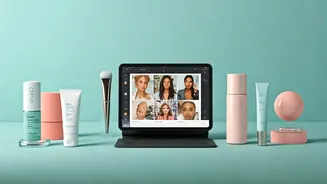
cities like Cuttack, Gorakhpur, Jamnagar, and Patiala. [2, 10] A recent report from e-commerce giant Flipkart revealed that two out of every three beauty-related searches on its platform originate from non-metro markets. [18] This seismic shift is powered by unprecedented access. The proliferation of affordable smartphones and cheap data has connected millions of new consumers to a global marketplace, effectively erasing the geographical barriers that once defined the industry. [11] Online platforms like Nykaa, Amazon, and Purplle have become digital gateways, giving a consumer in a smaller town the same access to international and niche brands as their metropolitan counterparts. [11, 6]
Meet the New Aspirational Shopper
The Tier-II consumer is not simply a follower of metro trends; they are shaping them. [3] This demographic, increasingly dominated by Gen Z, is more informed, value-conscious, and experimental than ever before. [2, 9] They are not just buying products; they are investing in self-care and personal expression. [12] Exposure to global trends via social media and influencers has fueled a desire for premium and specialized products, from science-backed skincare to K-beauty formulations. [3, 10] Evidence of this is seen in the sharp growth of premium beauty on e-commerce platforms, with Amazon India reporting that over 50% of its premium beauty demand now comes from Tier-II and Tier-III cities. [10] This consumer is aspirational but also seeks value, leading to the success of brands that offer quality at accessible price points or in smaller, trial-sized packs. [4, 8]
The Rise of D2C and Hyperlocal Influencers
This market shift has been a boon for Direct-to-Consumer (D2C) brands. [11] Companies like SUGAR Cosmetics, Mamaearth, and Plum have flourished by bypassing traditional retail networks and engaging directly with customers online. [4, 15] Many of these brands report that over 60% of their revenue now comes from outside metro cities. [4] A key to their success has been a nimble marketing strategy that leverages digital content and influencer partnerships. [16] Crucially, this isn't just about collaborating with national-level celebrities. The real impact is being made by hyperlocal influencers who create content in regional languages, building trust and relatability that larger brands often struggle to achieve. [3] This has given rise to a phenomenon some call 'PIN code beauty,' where demand is shaped by local factors like climate, water quality, and regional trends. [13]
How Legacy Brands and E-commerce are Adapting
The message is clear: ignore Tier-II India at your own peril. E-commerce platforms are leaning in heavily. Flipkart’s beauty and personal care category has grown 50% year-on-year, largely fueled by this new customer base. [2, 7] They are expanding their reach with events and sales specifically targeted at non-metro regions. [2] Amazon is adding hundreds of new global brands to cater to this surging demand. [10] Even legacy brands like Lakmé are adapting by strengthening their D2C models to connect with this online-first audience. [19] The competitive landscape is also being reshaped by the entry of quick-commerce players like Blinkit and Zepto, who promise ultra-fast delivery, adding another layer of convenience that appeals to the digitally-savvy Tier-II shopper. [7]