








Why Monsoon Is Tough on Hair
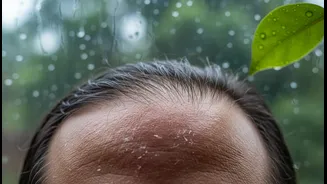
Understanding the problem is the first step to solving it. High humidity is the main reason for monsoon hair troubles. The excess moisture in the air causes the hair's outer layer, the cuticle, to swell and lift, resulting in that dreaded frizzy, unmanageable
texture. This humid environment, combined with sweat, also creates a breeding ground for scalp issues like dandruff and fungal infections, which can weaken roots and lead to hair fall. Rainwater itself can be acidic and carry pollutants, which, if left on the scalp, can cause irritation and damage. A targeted care routine is essential to protect your strands during this season.
Your Daily Wash Day Guide
While daily shampooing isn't necessary for most, your wash day routine during monsoon needs to be strategic. Aim to wash your hair two to three times a week, or more often if your scalp is very oily or you get drenched in rain. Choose a mild, sulphate-free shampoo to cleanse without stripping natural oils. Follow with a lightweight, nourishing conditioner, applying it only from the mid-lengths to the ends to avoid weighing down your roots. A final rinse with cool or lukewarm water helps to seal the hair cuticle, locking out excess humidity and boosting shine.
The Art of Drying and Detangling
How you dry your hair is just as important as how you wash it. Hair is most fragile when wet, so aggressive rubbing with a regular terry cloth towel is a major cause of frizz and breakage. Instead, gently squeeze excess water from your hair using a soft microfiber towel or an old cotton t-shirt. Allow your hair to air-dry as much as possible. If you must use a blow-dryer, use the coolest setting and always apply a heat protectant. When it comes to detangling, wait until your hair is at least partially dry and use a wide-tooth comb, starting from the ends and working your way up to the roots to minimize snapping.
Daily Protection and Styling
Protecting your hair throughout the day is key. An anti-frizz serum can be your best friend during the monsoon. Applied to damp hair, it creates a protective barrier that helps prevent the hair shaft from absorbing environmental moisture. When heading out, try to shield your hair from rain with an umbrella or scarf. If you do get caught in a downpour, try to rinse your hair with clean water as soon as possible to wash away pollutants. Opt for simple, loose hairstyles like braids or a high bun to minimize exposure to humidity and prevent tangles. Avoid tying your hair tightly, especially when it's wet, as this can weaken the roots.
Weekly Rituals for Extra Nourishment
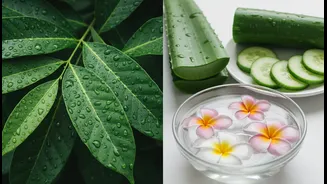
In addition to your daily habits, a weekly treatment can make a huge difference. Incorporate a deep conditioning hair mask once a week to restore moisture and strength. You can use a store-bought mask or make your own with ingredients like aloe vera, coconut oil, banana, or yoghurt. A pre-shampoo oil massage is another beneficial ritual. Lightly massaging warm coconut, almond, or argan oil into your scalp 30 minutes before washing can nourish the roots and improve blood circulation. However, avoid leaving oil on overnight during the monsoon, as it can sometimes clog follicles in the humid weather.
Nourish from the Inside Out
Healthy hair starts from within. What you eat plays a significant role in your hair's strength and resilience. Ensure your diet is rich in protein, which is the building block of hair. Include foods like eggs, nuts, and leafy greens. Staying hydrated by drinking plenty of water is also crucial for overall scalp and hair health. Nutrients like biotin, iron, and omega-3 fatty acids are known to support healthy hair, so consider foods rich in these, such as spinach, walnuts, and sweet potatoes.