





The Two Issues That Broke the Summit
The talks fell apart over two critical and interconnected issues: money and fossil fuels. Developed and developing nations could not find common ground on a global pact, leading to the first such failure in years. One major sticking point was the draft
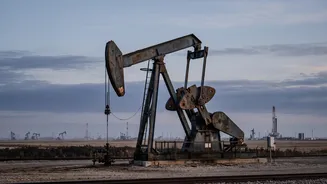
text's failure to include a strong call for phasing out or even transitioning away from fossil fuels—the primary cause of climate change. A coalition of over 100 countries, including the European Union, refused to sign a final agreement they saw as unacceptably weak on this front. The other major point of contention was climate finance. Developing nations, many of whom are facing the worst impacts of a crisis they did little to create, argued that any discussion of higher ambition is meaningless without the financial support to make it happen. The failure to deliver on past financial promises has eroded trust and made compromise difficult.
A War of Words: 'Phase Down' vs. 'Phase Out'
Much of the disagreement hinged on specific wording. The debate between 'phasing down' (reducing) and 'phasing out' (eliminating) fossil fuels has been a recurring battle at climate summits. A 'phase-out' implies a definitive end to burning coal, oil, and gas for energy. A 'phase-down', a term India successfully argued for at COP26 in relation to coal, suggests a more gradual reduction to a level that might be offset by carbon capture technologies. At COP31, major fossil fuel-producing nations reportedly resisted strong language that would commit them to a full phase-out, leading to a stalemate. For many climate-vulnerable nations and environmental advocates, anything less than a clear commitment to a fossil fuel phase-out is a failure to address the root of the problem.
The Unsettled Debt: Climate Finance
For developing countries, the issue of climate finance is not just about funding projects; it is a matter of justice and equity. These nations require trillions, not billions, to transition their economies to clean energy and adapt to unavoidable climate impacts like droughts and rising sea levels. Yet, a long-standing pledge by developed nations to provide $100 billion a year by 2020 was not fully met, creating deep mistrust. Reports ahead of COP31 showed that new public climate finance pledges from wealthy countries had fallen sharply in 2026. This failure to deliver funds makes developing nations, including India, hesitant to accept prescriptive emissions targets that could constrain their economic growth. The argument, forcefully made by India at the summit, is that nations with historical responsibility for emissions must lead and pay for the transition.
The View from New Delhi
India played a significant role in the negotiations, championing the cause of the Global South. The Indian delegation consistently argued that climate action must be built on the principles of 'common but differentiated responsibilities' and climate justice. This means that while all countries must act, developed nations—responsible for the bulk of historical emissions—have a greater obligation to cut their own emissions faster and provide financial and technological support to others. India has resisted binding commitments to phase out all fossil fuels without adequate financial support and while it still needs to lift millions out of poverty. This position reflects a core challenge: balancing the urgent need for climate action with the legitimate development aspirations of a growing nation.