


Stuck in a breakfast rut? It’s easy to fall back on the same bowl of oats or yogurt every morning. But adding variety doesn’t have to be complicated. Enter the humble sunflower seed: a simple, affordable, and powerful way to transform your breakfast.
A Nutritional Powerhouse in a Tiny Package
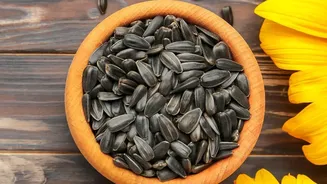
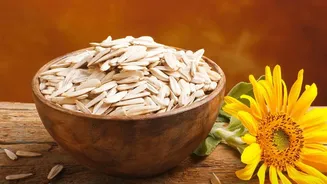
Don't let their small size fool you; sunflower seeds are packed with an impressive array of nutrients. They are an excellent source of vitamin E, a powerful antioxidant that helps protect your body's cells from damage. They're also rich in healthy polyunsaturated and monounsaturated fats, which are linked to better heart health by helping to lower cholesterol levels. Additionally, these seeds provide a significant amount of essential minerals like magnesium, which is crucial for muscle and nerve function, and selenium, which supports your immune system and thyroid health. With a good measure of protein and fibre, adding a spoonful to your breakfast can also help you feel full and energized for longer.
Beyond the Sprinkle: Creative Ways to Add Seeds
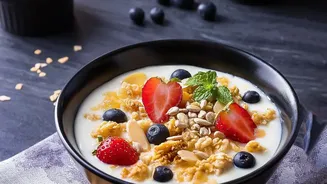
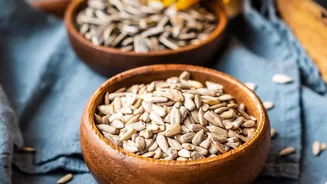
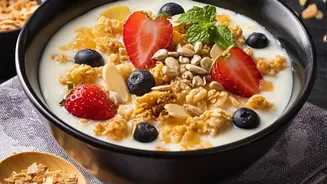
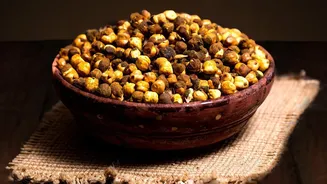
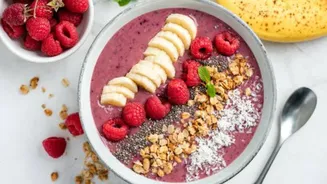
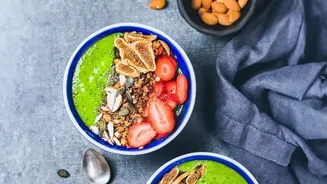
The most straightforward way to use sunflower seeds is to sprinkle them raw or roasted over your favourite breakfast bowl for a nutty flavour and satisfying crunch. To enhance their taste, try dry-toasting them in a skillet for a few minutes until they become fragrant. But the versatility doesn't stop there. For a smoother texture in smoothie bowls, you can blend the seeds directly into your fruit and yogurt base. Another option is to grind them into a fine powder to stir into oatmeal or homemade granola bars, seamlessly incorporating their nutritional benefits. You can even make your own sunflower seed butter—a great alternative for those with peanut allergies—by blending roasted seeds in a food processor until creamy.
Perfect Pairings for Your Morning Bowl
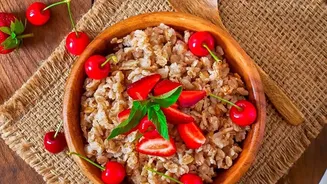
Sunflower seeds have a mild, nutty taste that complements a wide range of breakfast staples. In a creamy yogurt bowl, their crunch provides a wonderful contrast to soft fruits like bananas and berries. For a warm bowl of oatmeal, a sprinkle of sunflower seeds adds texture and pairs beautifully with a drizzle of honey or maple syrup. They are also a fantastic addition to homemade granola, mixed with oats, nuts, and dried fruit before baking for an extra layer of flavour. For a truly decadent yet healthy start to the day, consider making a toast topped with sunflower seed butter, caramelized bananas, and a final scattering of toasted seeds.
From Seed to Butter: A Nutrient Comparison
While peanut butter is a breakfast classic, sunflower seed butter is a worthy competitor, especially for those with nut allergies. Nutritionally, it holds its own and even surpasses peanut butter in several key areas. Sunflower seed butter typically contains significantly more magnesium, zinc, copper, and selenium. It's also exceptionally high in vitamin E. While peanut butter often has slightly more protein, sunflower seed butter generally contains less saturated fat. Both are nutrient-dense spreads, but if you're looking to boost your intake of minerals and antioxidants, sunflower seed butter is an excellent choice.
A Note on Portions and Preparation
While incredibly healthy, sunflower seeds are calorie-dense, so a little goes a long way. A serving size is typically considered to be about a quarter-cup of shelled seeds, which contains around 165 calories. For a breakfast bowl topping, one or two tablespoons is usually sufficient to reap the textural and nutritional rewards without overloading your meal. When buying seeds, look for unsalted versions to control your sodium intake. Whether you choose them raw, roasted, or ground into butter, incorporating these versatile seeds is a simple step towards a more varied and nutritious morning meal.