





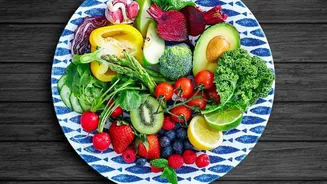

Your Genes and Your Greens
Our reaction to bitterness isn't just pickiness; it's written in our DNA. Humans have around 25 different genes that code for bitter taste receptors. One of the most studied is TAS2R38, which determines how strongly you perceive certain bitter compounds
found in foods like Brussels sprouts, kale, and even coffee. Depending on the versions of this gene you inherit, you might be a "non-taster" (finding these foods mild), a "taster" (perceiving clear bitterness), or a "supertaster" (finding them exceptionally, even unpleasantly, bitter). This genetic lottery has a real impact on food choices. Studies have shown that people who are more sensitive to bitterness tend to eat fewer vegetables, potentially missing out on important nutrients.
Insights from the 9,000-Person Study
The headline-making research was a secondary analysis of the 2011-12 National Health and Physical Activity Survey in Australia, involving 9,118 adults. Researchers didn't just ask people what they ate; they used dietary recall data and combined it with a sensory food database to calculate a "bitter score" for each person's diet. This allowed them to see who was eating the most and least bitter diets and what those diets looked like. The study found, perhaps unsurprisingly, that the most bitter diets were consumed by people who ate significantly more vegetables, wholegrains, and fruits. Coffee and tea were also major contributors to the bitterness score. This confirmed the link between consuming bitter-tasting foods and what experts would generally consider a higher-quality diet.
Diet Quality vs. Health Outcomes
Here's where it gets complicated. The Australian study found that the group with the most bitter diets—and therefore higher consumption of healthy foods like vegetables—did have a slightly higher diet quality score. However, the headline's crucial caveat, "without health guarantees," points to a broader truth in nutritional science: the link between specific eating patterns and long-term health isn't always straightforward. While many bitter foods contain beneficial compounds like antioxidants and polyphenols that are linked to reduced risk of chronic disease, other studies have found conflicting or weak associations between 'taster status' and health markers like BMI or cardiovascular disease risk factors. In fact, some research suggests 'non-tasters' may have elevated risk for some conditions, while other studies find no clear link at all. This highlights that diet quality is just one piece of a very large health puzzle.
It's Not Just What You Eat, but How You Eat
The findings underscore a shift in nutrition science away from vilifying or glorifying single foods or nutrients. The American Heart Association's latest guidelines, for example, emphasize overall dietary patterns rather than rigid rules. They recommend a diet rich in a wide variety of fruits and vegetables, whole grains, and healthy proteins. This holistic approach is more forgiving and realistic. For instance, recent research presented at a major nutrition conference found that the nutritional quality of a diet was a better predictor of health outcomes than whether the foods were 'ultra-processed'. A whole-grain breakfast cereal, though processed, could be part of a healthier diet than a homemade cake made with refined flour. This doesn't mean you should ignore your genetic aversion to bitterness. Instead, it’s about finding ways to work with it.
So, What's the Takeaway?
If you're a supertaster who finds broccoli unbearable, don't despair. You aren't doomed to a life of poor health. The key is variety and smart preparation. Roasting vegetables caramelizes their sugars and mellows their bitterness. Pairing them with healthy fats, salt, or acidic ingredients like lemon juice can also make them more palatable. You can also train your palate over time; studies have shown that repeated exposure can change how you perceive flavors. Ultimately, this research doesn't give anyone a free pass to skip their vegetables. Instead, it serves as a powerful reminder that a healthy diet is not about forcing yourself to eat things you hate. It's about building a balanced, enjoyable eating pattern that works for your body, your tastes, and your life. Understanding your own preferences, including a genetic sensitivity to bitterness, is simply a tool to help you build that pattern more effectively.