





The Challenge of Concentration
For decades, Indian tourism has been heavily concentrated in a few iconic locations. While destinations like the Taj Mahal, Jaipur, and the backwaters of Kerala are world-renowned for good reason, this popularity creates immense pressure. Overcrowding,
strained infrastructure, and seasonal price hikes have become common issues in these hotspots. This imbalance means that while some areas grapple with the negative effects of over-tourism, countless other regions with rich cultural heritage, stunning landscapes, and unique experiences remain overlooked, their economic potential untapped. Domestic tourism has been growing at a rapid pace, compounding the pressure on established circuits and highlighting the urgent need to distribute tourist footfall more evenly across the country.
The Digital Compass
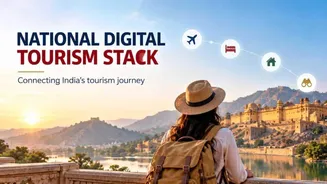
In the 21st century, the primary tool for travel planning is no longer a physical guidebook but the internet. Social media platforms, travel blogs, and even map applications have become the new compass for the modern explorer. For a lesser-known destination, a strong digital presence is the equivalent of being marked on the map for the first time. High-quality photos on Instagram, heartfelt reviews on travel forums, and accurate location data can transform a quiet village into a sought-after retreat. Recognizing this, the Indian government has launched initiatives like the National Digital Tourism Stack, designed to make all tourism offerings—from homestays to local guides—more discoverable and trustworthy across various digital platforms.
Fuelling Local Economies
When tourism expands to rural and remote areas, the economic benefits are direct and transformative. It diversifies income sources beyond agriculture, creating new opportunities for homestay owners, artisans, guides, and food vendors. This infusion of capital can revitalise local economies, generate employment for youth and women, and potentially reduce migration to overcrowded cities. The government's 'Dekho Apna Desh 2.0' campaign specifically aims to identify and promote these tourism-ready, lesser-known destinations, connecting them with both the digital world and the travellers who use it. The goal is to ensure that the benefits of tourism are distributed more inclusively, empowering local communities to preserve their heritage while achieving financial stability.
The Perils of Unplanned Popularity
However, the power of online discovery is a double-edged sword. A place that becomes an overnight viral sensation can quickly find itself unprepared for the sudden influx of visitors. This can lead to the very problems the country is trying to solve in its more famous locales: environmental degradation, strain on local resources like water, and the erosion of the authentic culture that made the place special to begin with. Stories of pristine landscapes being littered and quiet communities being disrupted by irresponsible tourist behaviour are becoming more frequent. The digital gold rush for the next 'Instagrammable' spot often ignores the principles of sustainability and responsible travel.
A Sustainable Path Forward
The key is not to halt online discovery but to manage it responsibly. This is where strategic planning becomes crucial. Government initiatives are now focusing on a 'social media-first' approach to promotion, combined with data-driven management to monitor visitor numbers against a destination's carrying capacity. The recently launched National Mission for Alternative Destinations is designed to identify locations that have adequate infrastructure and the capacity to handle more visitors sustainably. Furthermore, there is a push for digital capacity-building programs to train local entrepreneurs in online marketing, booking systems, and digital payments, ensuring they are equipped to manage growth effectively. By pairing digital promotion with on-the-ground support and a strong message of responsible tourism, India can guide travellers to new frontiers without destroying them.